

Exclusive Safaris to Angola
Emerging from decades of conflict, Angola is one of Africa’s last great frontiers – wild, vast and refreshingly under the radar.
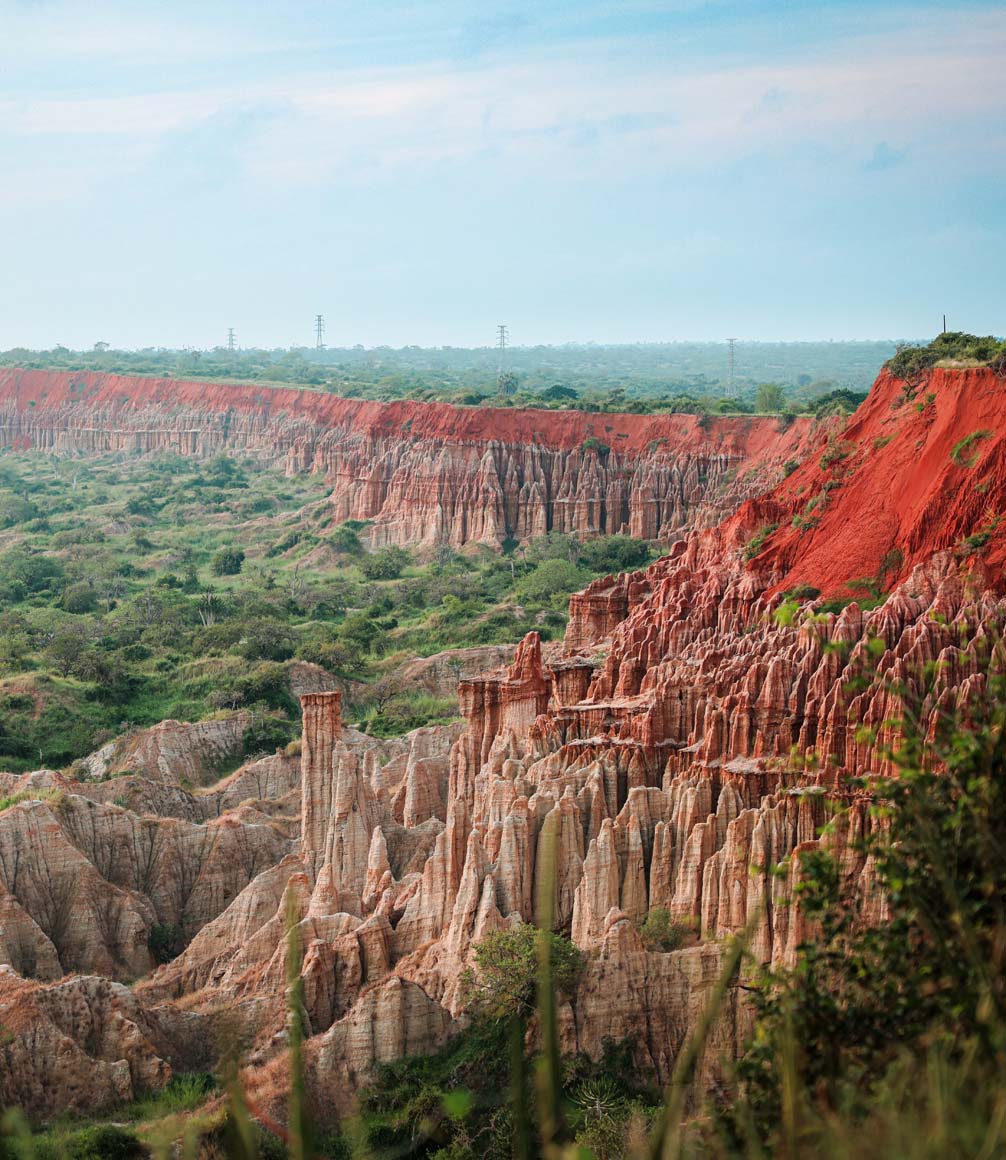
From the towering desert dunes and empty coastline of the south to breathtaking parks where wildlife is returning after years of conservation efforts and highland plateaus that feed Africa’s great rivers, Angola compresses a continent’s worth of contrasts into one compelling country.
This is Africa at its most raw, untamed and authentic. Yet there are traces here of the familiar too. Angola’s semi-nomadic tribes echo the cultural diversity of Ethiopia’s Omo Valley. The shipwreck-strewn beaches of Iona National Park recall Namibia’s Skeleton Coast, while the river systems of the south evoke the wild expanses of northern Botswana. Yet plenty feels distinctly Angolan: the grandeur of the capital’s Art Deco architecture, the thunderous roar of Kalandula Falls and the giant sable antelope found only in the country’s protected reserves.
For the adventurous and open-minded, travelling here feels like a privilege. But it’s not without its compromises. With few roads, vast distances between locations and few polished safari lodges, we use everything from helicopters and light aircraft to 4×4 convoys and bespoke mobile camps to make our journeys possible. We often work with scientists and conservationists too, offering clients an insight into a country whose extraordinary natural heritage is only now beginning to be fully understood.
Where to Go in Angola
Luanda
Angola’s sprawling capital, where extreme wealth and deep poverty exist side by side, has expanded fast since independence in 1975. The renovated Marginal waterfront forms its centrepiece, while Baixa preserves colonial-era backstreets. South of the city, the Ilha and Mussulo peninsulas offer beach bars and Angola’s most exclusive coastal homes.
The Angola Highlands

Known as Africa’s ‘water tower’, the peat-rich plateaus of the Angolan Highlands give rise to many of the continent’s great rivers, supporting vital ecosystems and millions of people across southern and central Africa. Of particular note are the Cuito and Cubango, which merge near the Angola-Namibia border before eventually flowing into the Okavango Delta. Expect wetlands, conservation work, endemic wildlife and travel by traditional mokoro canoe.
Iona National Park
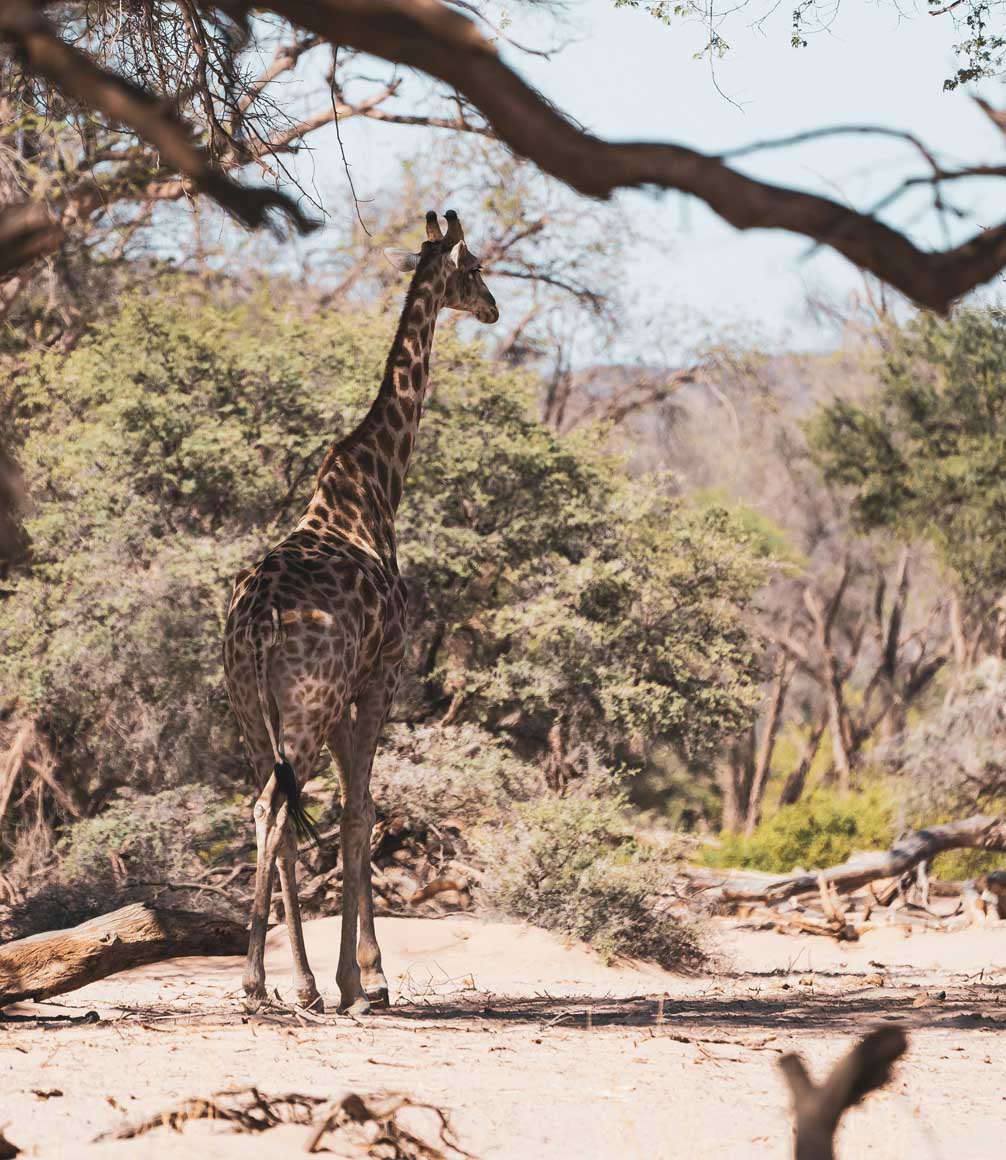
Angola’s oldest and largest park, jointly managed by African Parks, is home to Hartmann’s zebra, oryx, springbok, ostrich, brown hyaena, coastal seals and recently reintroduced giraffe. We operate private mobile tented camps here with expert guiding, offering rare access to this remote wilderness.
Namibe & the South Coast
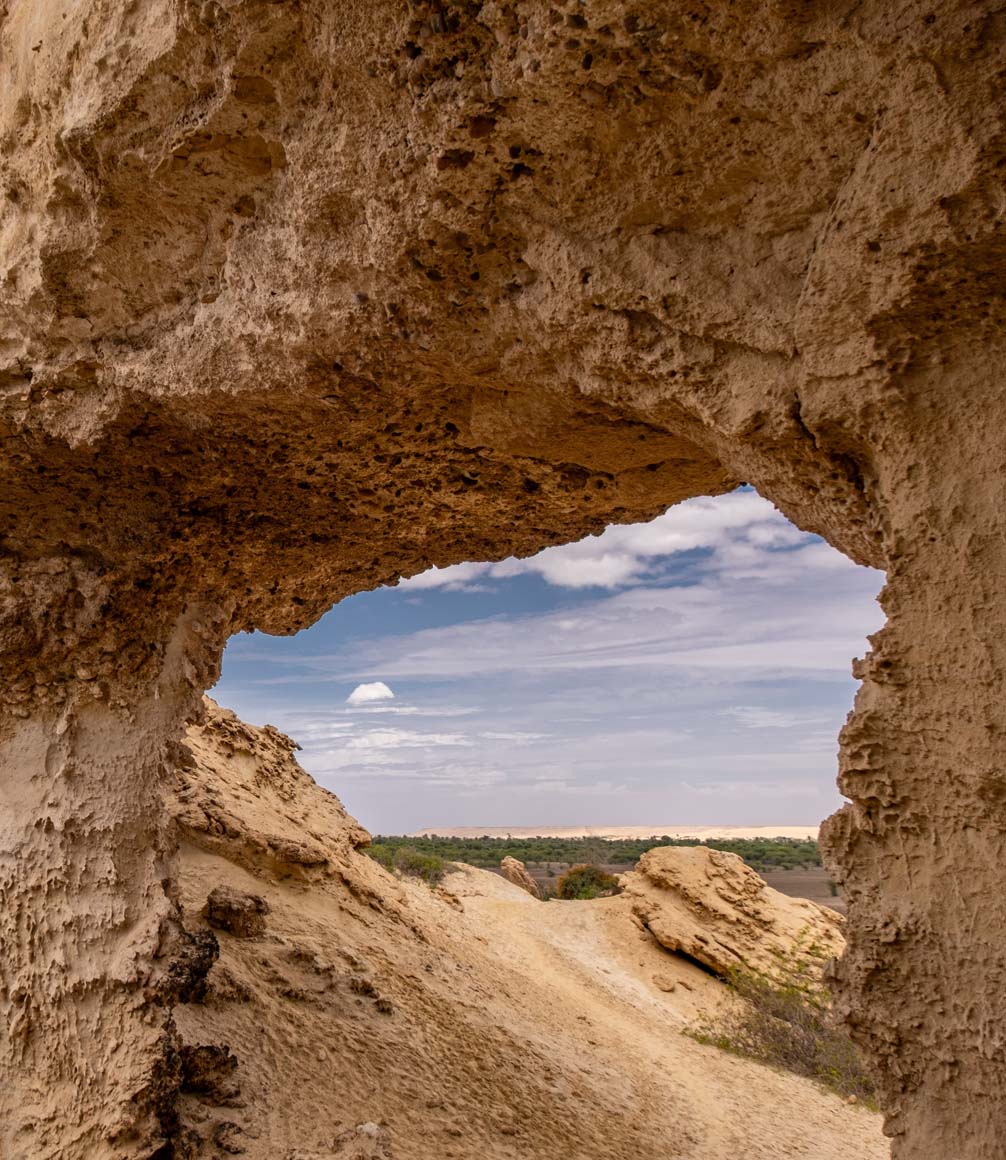
Once a Portuguese colonial port, Namibe (also known as Moçâmedes) offers a historical city tour and coastal base for exploring the south. From here, venture to the archaeological site of Tchitundu-Hulu to view its ancient rock art, or to the lunar-like Curoca Hills for remote camping and exceptional stargazing.
Black Rocks & Kalandula Falls

Rising up to 200 metres high from the surrounding savannah, the Pedras Negras or ‘Black Rocks’ are one of Angola’s most spectacular geological sites. Hike among the vast granite monoliths before venturing north to mighty Kalandula Falls, the second-largest waterfall in Africa after Victoria Falls, yet visited by only a handful of travellers each year.
The Tribal Heartlands
The south-western provinces of Huíla, Namibe and Cunene offer authentic encounters with several of Angola’s semi-nomadic pastoralist peoples, including the Mwila, Mucubal and Ovahimba among others. For anyone interested in anthropology, the region rivals Ethiopia as one of Africa’s richest destinations for living traditional cultures.
Luiana Plains
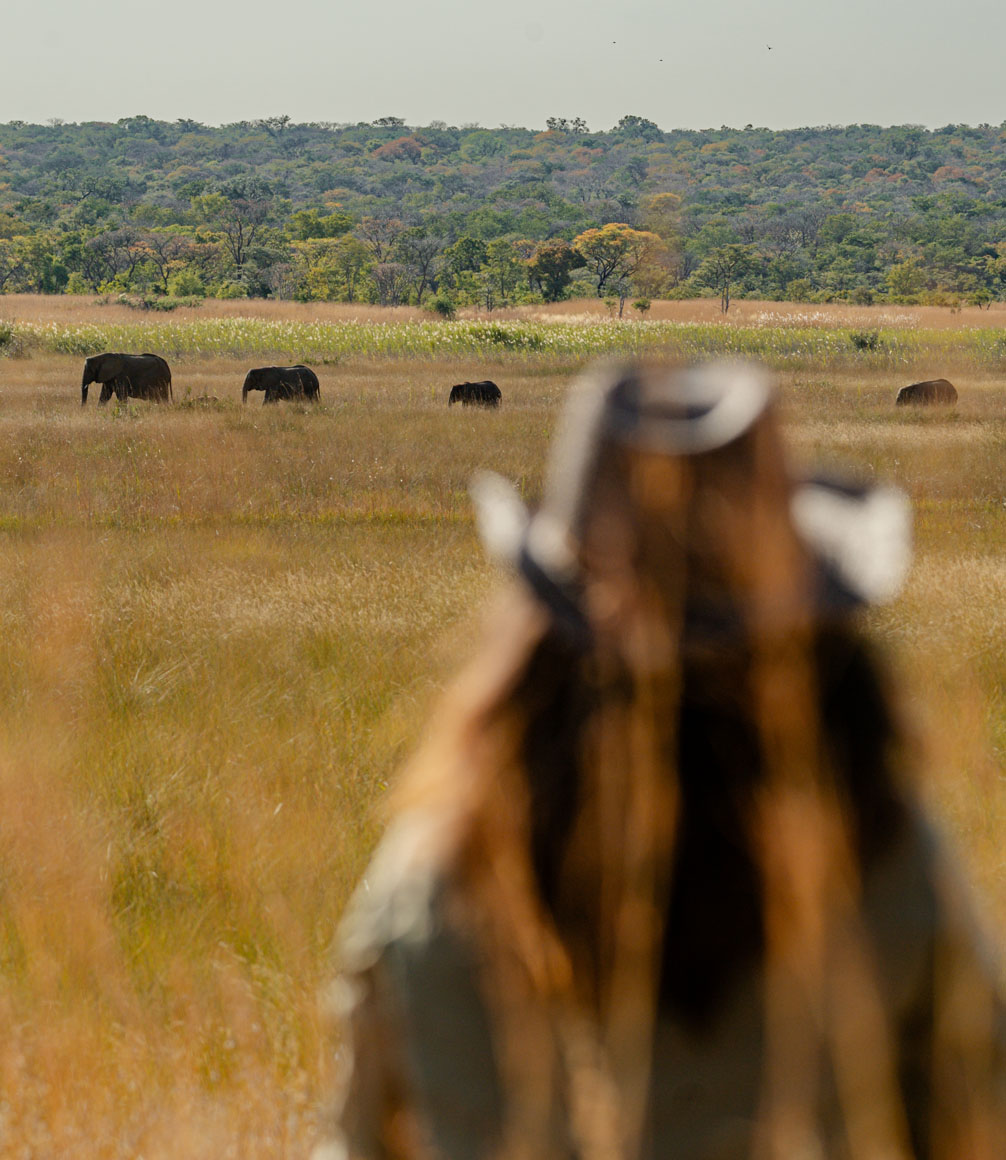
Angola’s newest expedition camp sits within Luengue-Luiana National Park, part of a transfrontier reserve spanning Angola, Namibia, Botswana and Zambia. Its 10 tents offer game drives, night drives, nature walks and boat cruises across rarely visited landscapes.
Lubango & Surrounds
Angola’s second city makes a great base for visiting the Tundavala Gap, a sheer escarpment where the high plateau suddenly drops more than 1,000 metres to the plains below. From there it’s just a short drive south to the hairpin bends of the Serra da Laba Pass, one of Africa’s great scenic drives.
Why Travel to Angola with Explorations Company
Few countries in Africa remain as untouched by conventional tourism as Angola, and that’s precisely its appeal. A small number of pioneering lodges, including Mumba Lodge, have recently opened, but fixed accommodation is still limited. That is part of the adventure: where lodges don’t yet reach, we build bespoke expedition camps along your route.
No two itineraries look alike: a helicopter safari from the Okavango’s source through the Highlands to the delta in Botswana, a road trip over remote mountain passes, time with Angola’s lesser-visited tribes, or expert insight into its civil war history. Angola suits the adventurous and independent-minded, with every logistic handled by our specialists throughout.
When to Visit Angola
Angola’s climate shifts by region: high heat and heavy rain in the north, a mostly dry central plateau with cooler evenings, and a drier, milder coast giving way to the arid Namibe Desert in the south.
July to September is coolest and driest, and best for travel overall – especially if you’re keen to see wildlife. August brings Lubango’s Feast of Our Lady of the Hill, September the Festisumbe music festival in Sumbe. April, May and October also work well.
How You Can Make a Difference
Travelling in Angola offers the chance to spend time with organisations such as the Halo Trust, whose work clearing landmines is making land safe for people and wildlife, and the opportunity to travel alongside conservationists in Iona and other national parks, helping to protect Angola’s extraordinary biodiversity for generations to come.