

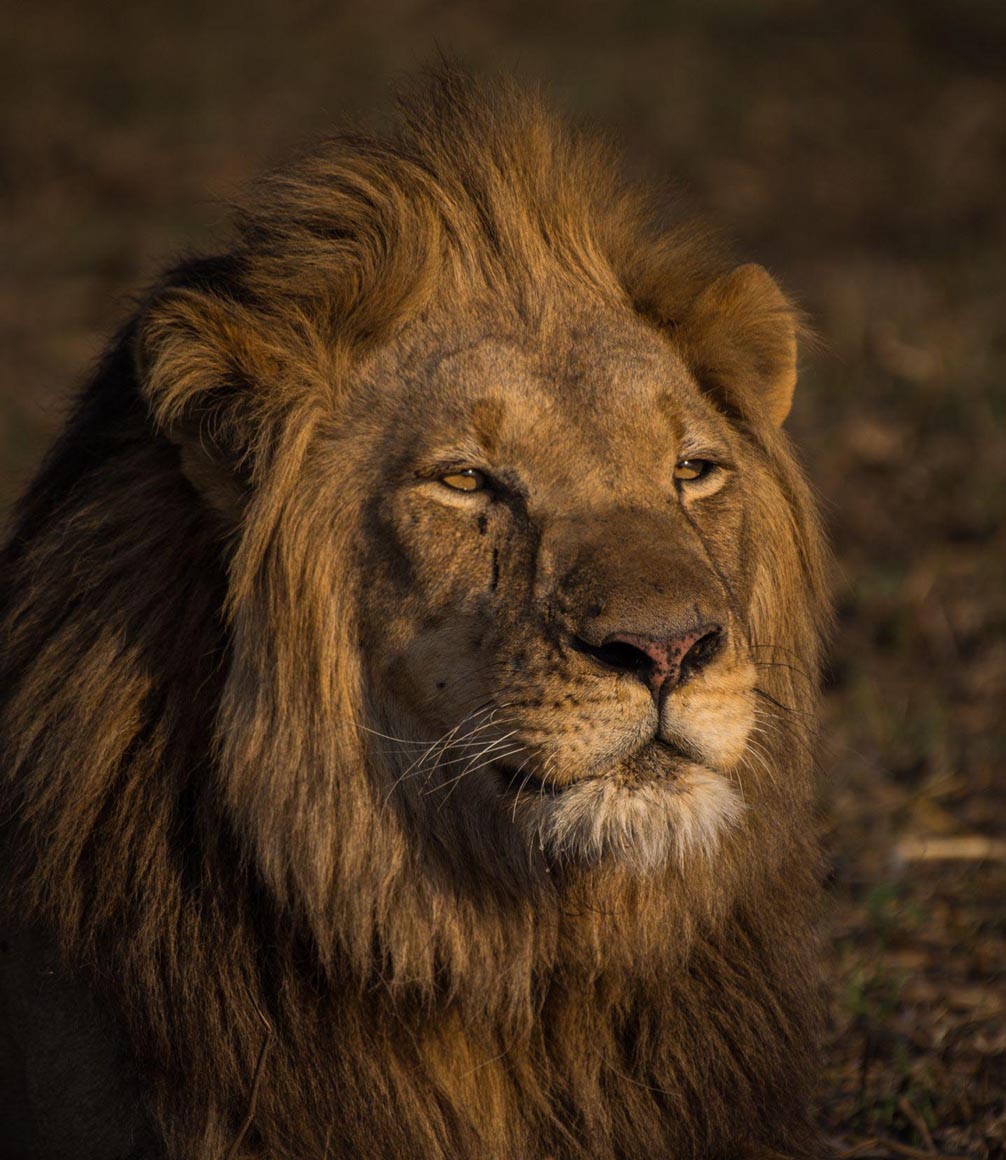
From the moment you arrive, the focus is on moving quietly across vast floodplains, allowing wildlife to appear as it naturally does. Each year, as the Lufupa River’s floodwaters recede, the plains reveal shimmering wetlands and golden grasses stretching to the horizon, populated by thousands of red lechwe and puku. Lions, leopards, and cheetahs patrol the grasslands, while an astonishing variety of birdlife lines the channels and lagoons. Accessible only during the dry season, Busanga combines scale, seclusion, and immersion, giving you a wildlife safari that feels both private and intimately connected to the land.
Why take a safari to the Busanga Plains?
Unlike much of Zambia, which is dominated by oxbow lakes, lagoons, and miombo woodland, Busanga is a unique expanse of open floodplain, often referred to as a mini Serengeti. The plains’ expansive character resembles East African savannahs yet retains a distinctly Zambian identity.
Busanga also stands apart for its seasonal abundance and rich ecological diversity. Wildlife congregates in high density along receding waters, creating dynamic scenes that are rare elsewhere in the country. The sense of space and minimal visitor numbers mean you can watch herds of antelope cross shallow channels, observe predators in action, and track elusive sitatunga along reed-lined wetlands, all without the distraction of crowds.
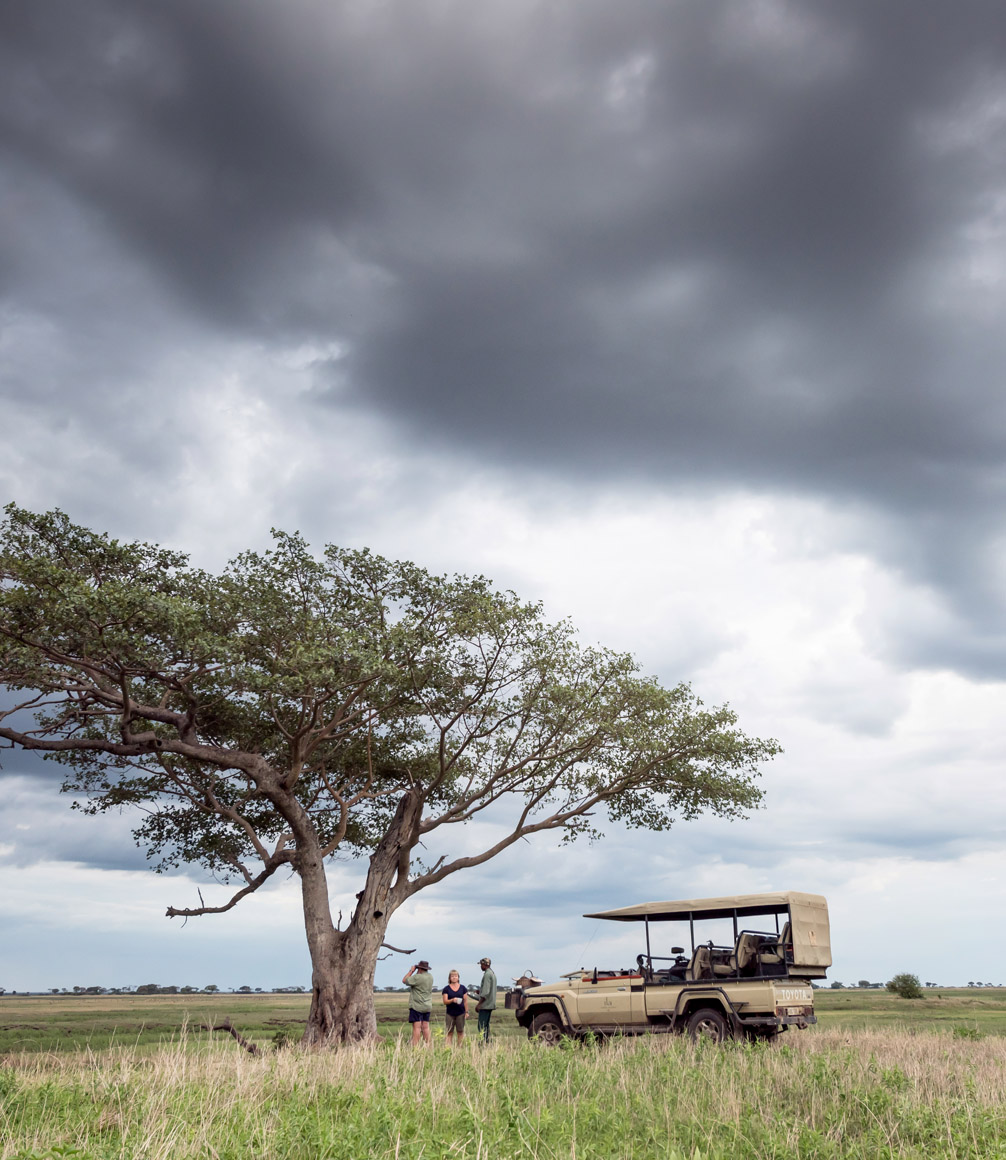
"Each year, as the Lufupa River’s floodwaters recede, the plains reveal shimmering wetlands and golden grasses stretching to the horizon, populated by thousands of red lechwe and puku"
Silent safaris in Busanga Plains
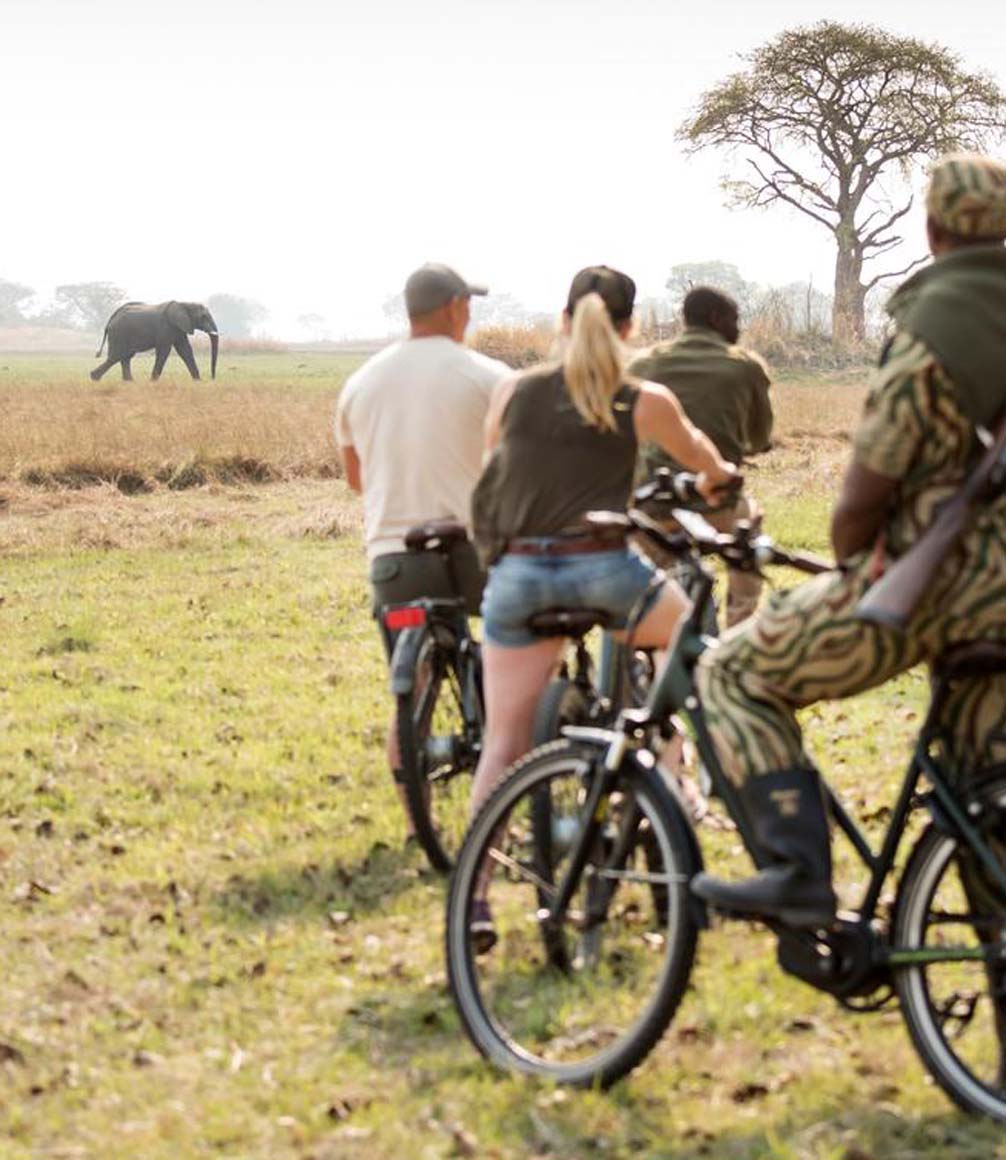
Silent Safaris, pioneered by Green Safaris, transform the way you experience the Busanga Plains. Electric game drive vehicles and eBikes powered by solar farms remove engine noise and emissions, so wildlife behaves naturally, and every sound from the plains reaches you clearly.
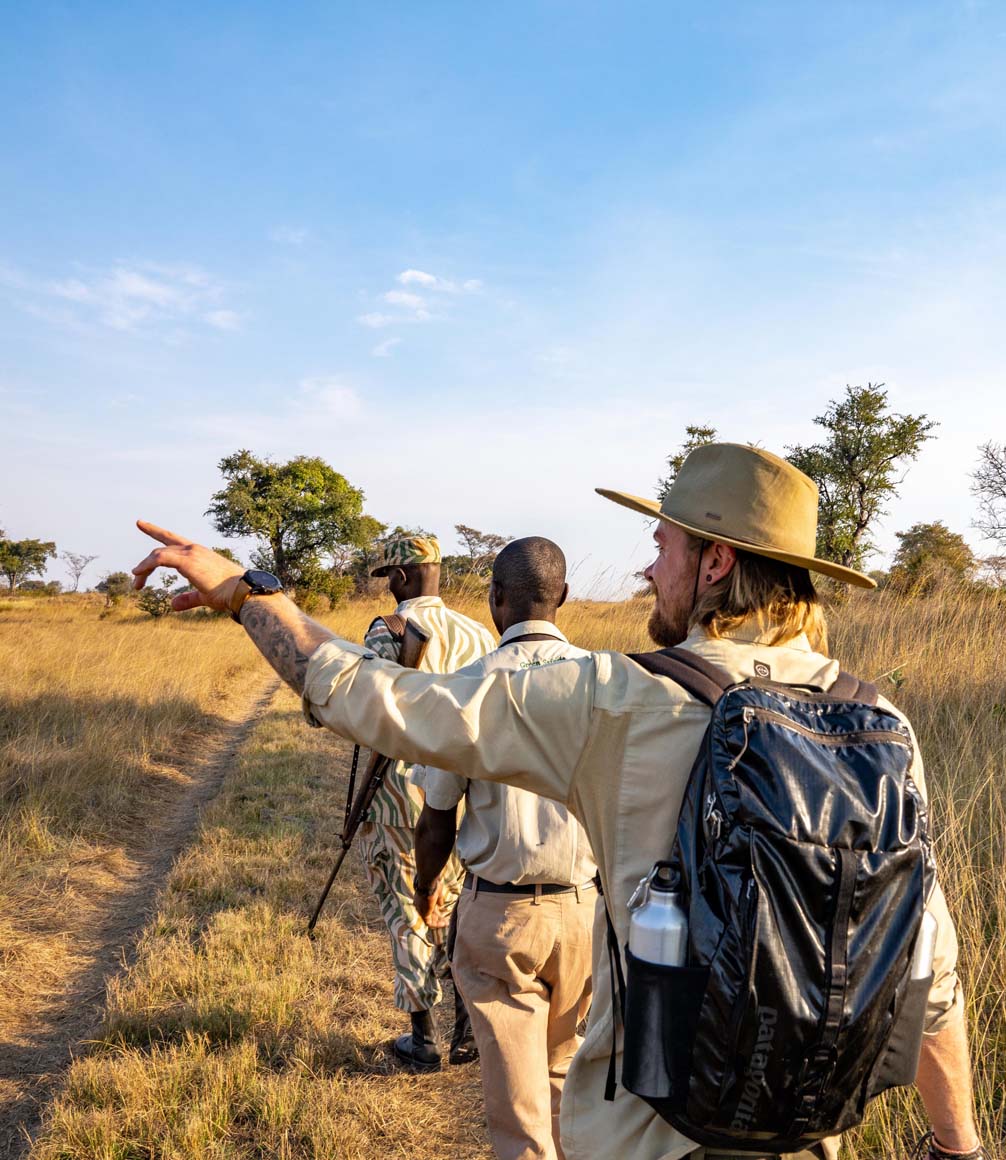
The approach also allows for walks through grasslands and wetlands, bringing you close to tracks, flora, and smaller species that are often missed on conventional safaris. By removing engine disturbance, birds such as carmine bee-eaters remain near their nesting sites, and the subtler rhythms of the floodplain emerge. This low-impact safari style combines environmental responsibility with a more immersive experience, offering a harmonious way to explore the plains.
Where to stay in the Busanga Plains: Chisa Busanga Camp
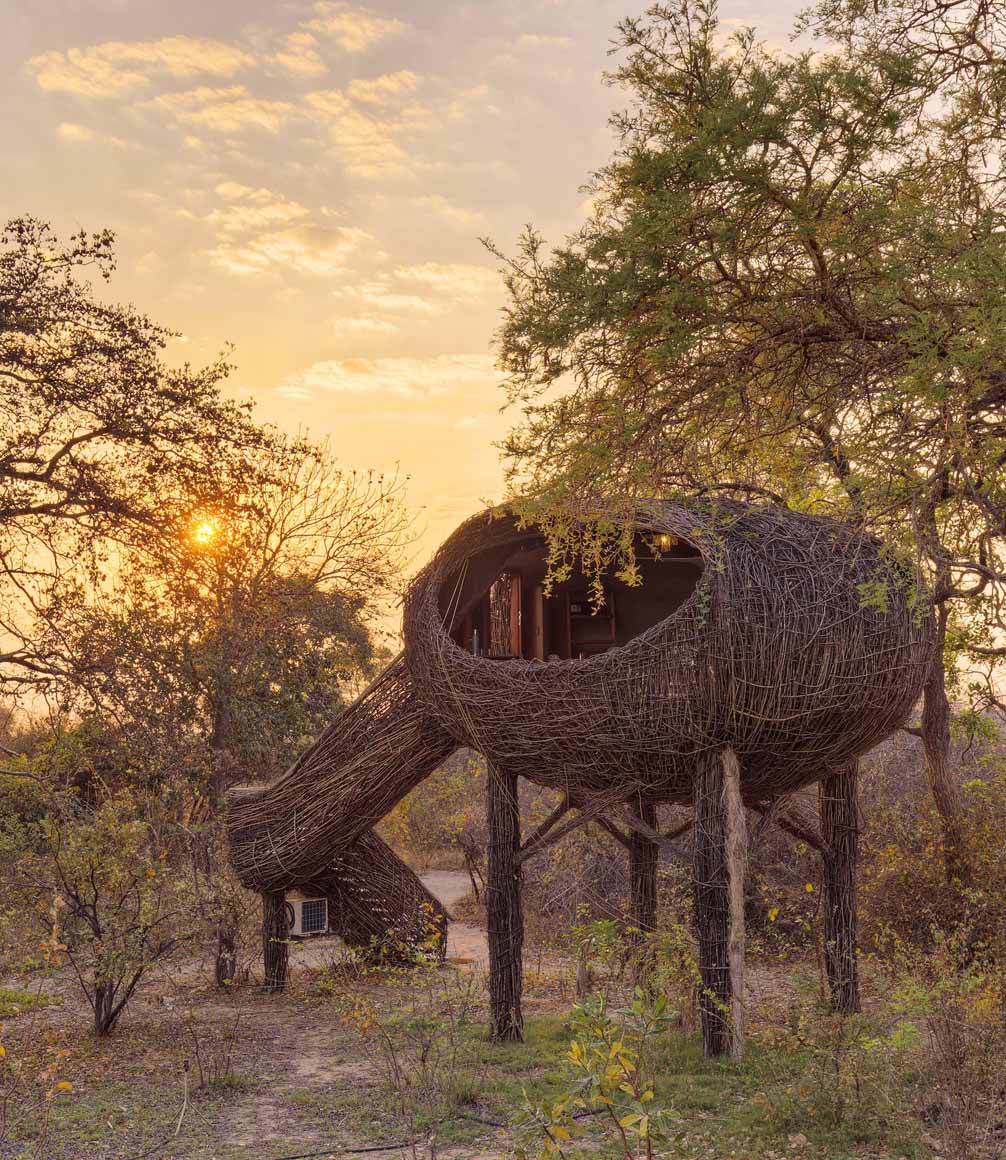
Your base in Busanga is Chisa Busanga Camp, a small elevated bush camp positioned in the heart of the Busanga Plains. Inspired by the architecture of weaverbird nests, its four raised suites are designed to blend into the landscape while framing wide views over the surrounding floodplains. Set on a small island, the camp feels wonderfully removed, particularly at dawn when mist lifts slowly from the drying channels and the plains begin to stir.
From your deck, wildlife activity unfolds at a natural pace. Elephants move quietly through pale morning light, lechwe bound across shallow streams, and secretarybirds stride through the grasslands, occasionally breaking into their distinctive courtship displays. The camp operates entirely on solar power, including its vehicles, aligning comfort with a low-impact ethos.
Chisa’s scale ensures a private, relaxed atmosphere, while its ongoing support of local conservation and community initiatives means your stay contributes meaningfully to the long-term protection of this remarkable ecosystem while delivering a truly unique and personal safari experience.

When is the best time to visit the Busanga Plains on safari?
The flood waters recede for just a few months of the year, making a short window of accessibility to this extraordinary ecosystem. The dry season season starts in April and as it progresses, the floodplains dry out and animals gather around remaining water sources. Chisa Busanga Camp is open from early May to the end of October, and the best months for wildlife viewing are between August and October.
Extending your Zambia safari
The Busanga Plains experience can be combined with stays at Ila Camp or other areas of Kafue, offering a more traditional Zambian woodland & river landscape. Solar-powered boats allow you to explore the Kafue River in silence, offering a contrasting experience to your time on the plains. Combining these elements provides a richer understanding of the park’s ecosystems while maintaining the low-impact, immersive nature of a Silent Safari.
Further afield, why not explore South Luangwa National Park, the home of the walking safari, with expert guides? Our expert-designed Zambia walking safari itinerary, “Africa: Heart and Sole “, could be tailored to include a stay in the Busanga Plains. Explore the itinerary for more Zambia inspiration.
Experience the Busanga Plains with a personalised itinerary crafted by our experts, combining privacy, close encounters with wildlife, and immersion in the seasonal floodplains of northern Kafue. Get in touch with a Zambia safari expert.


