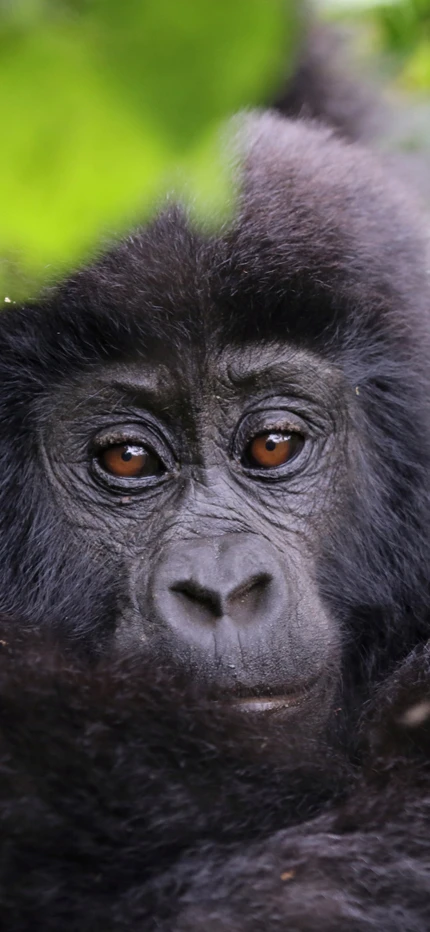
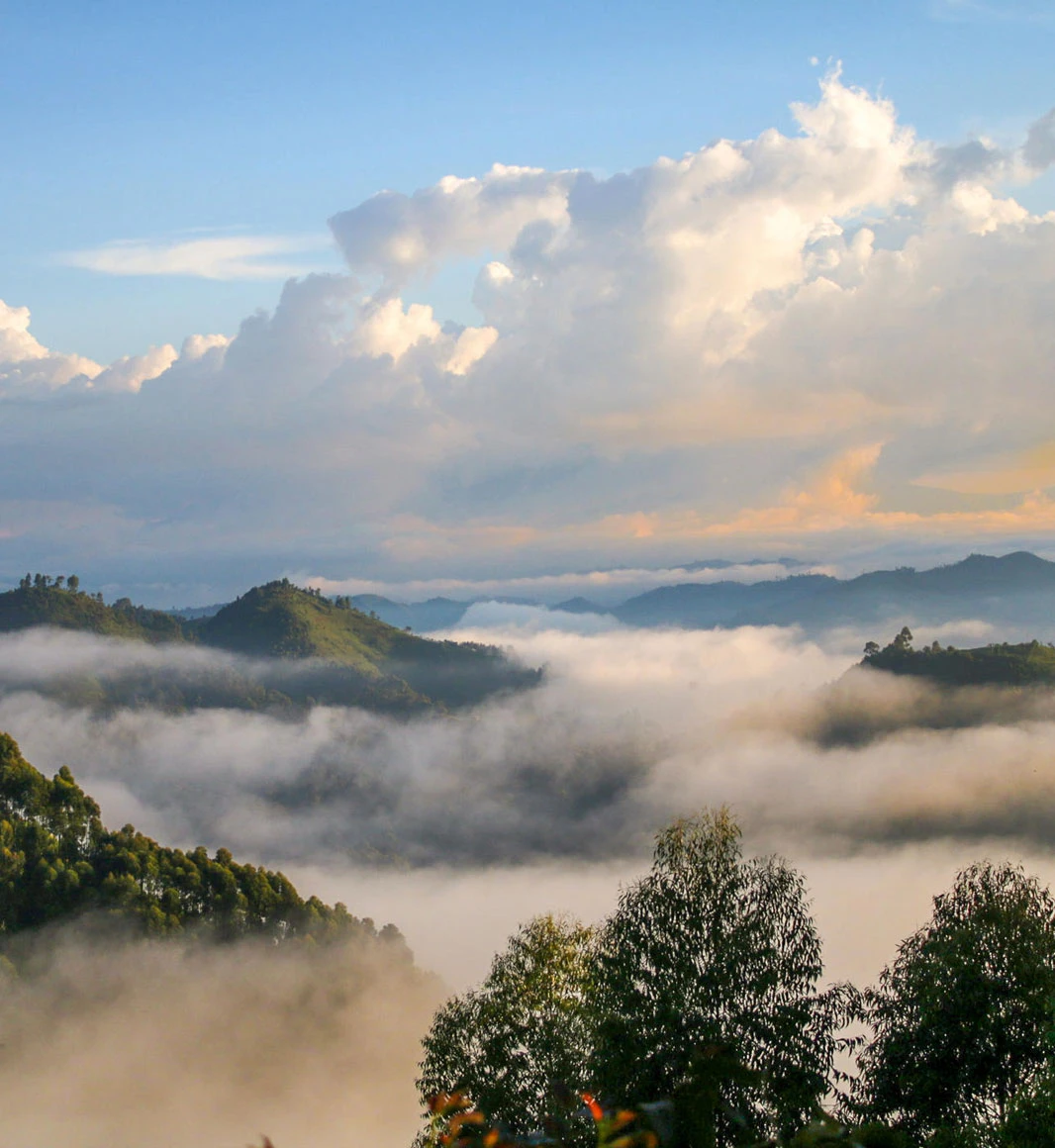
Deep in the heart of the Bwindi Impenetrable Forest in a remote region of southwest Uganda, mountain gorillas thrive in their natural habitat. This privately arranged gorilla trekking experience offers far more than the chance to see these gentle giants up close. With insight from Dr. Gladys Kalema-Zikusoka or her specialist team, you gain a rare understanding of the delicate relationship between gorillas, people and the forest they share.
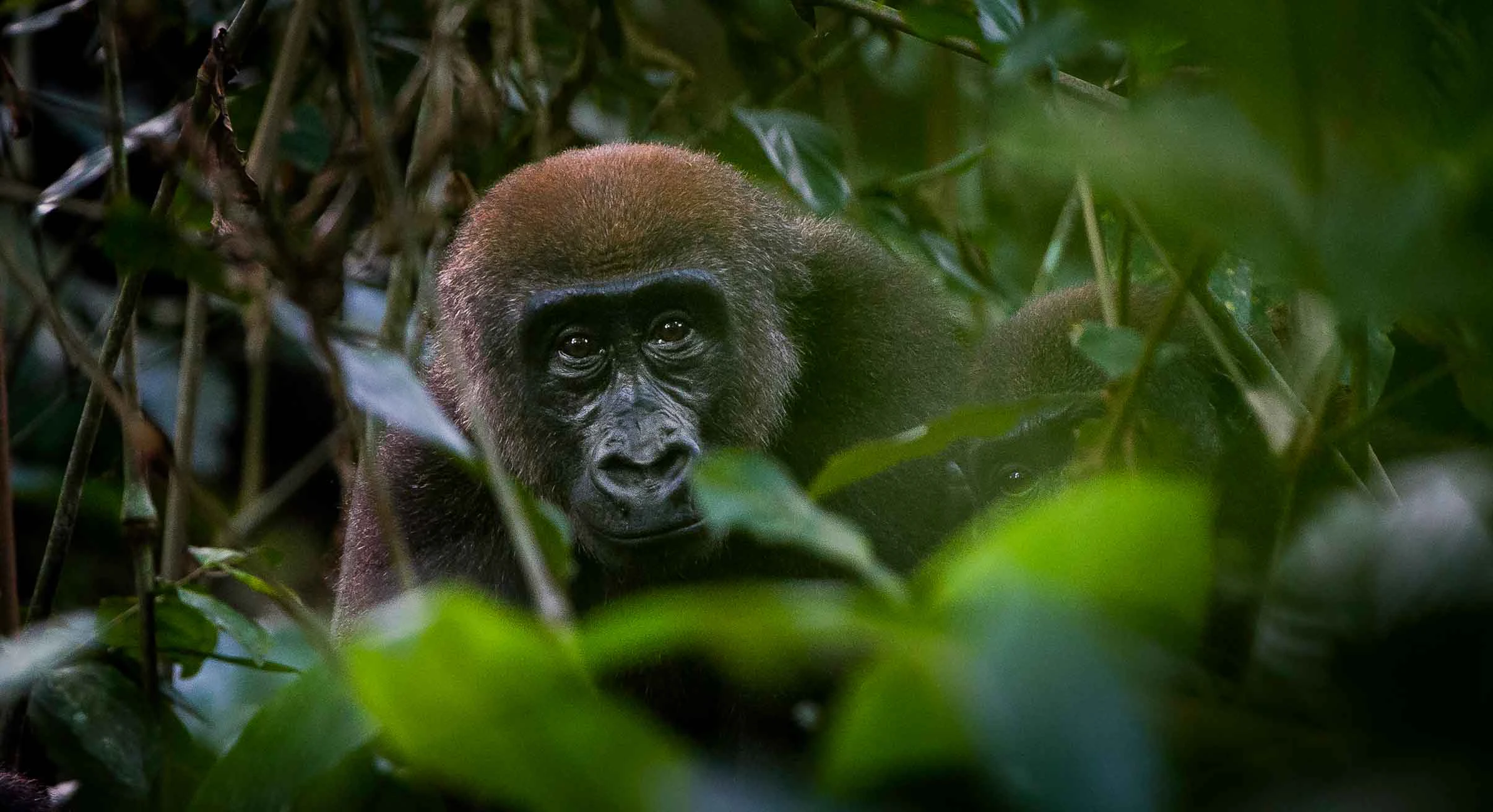
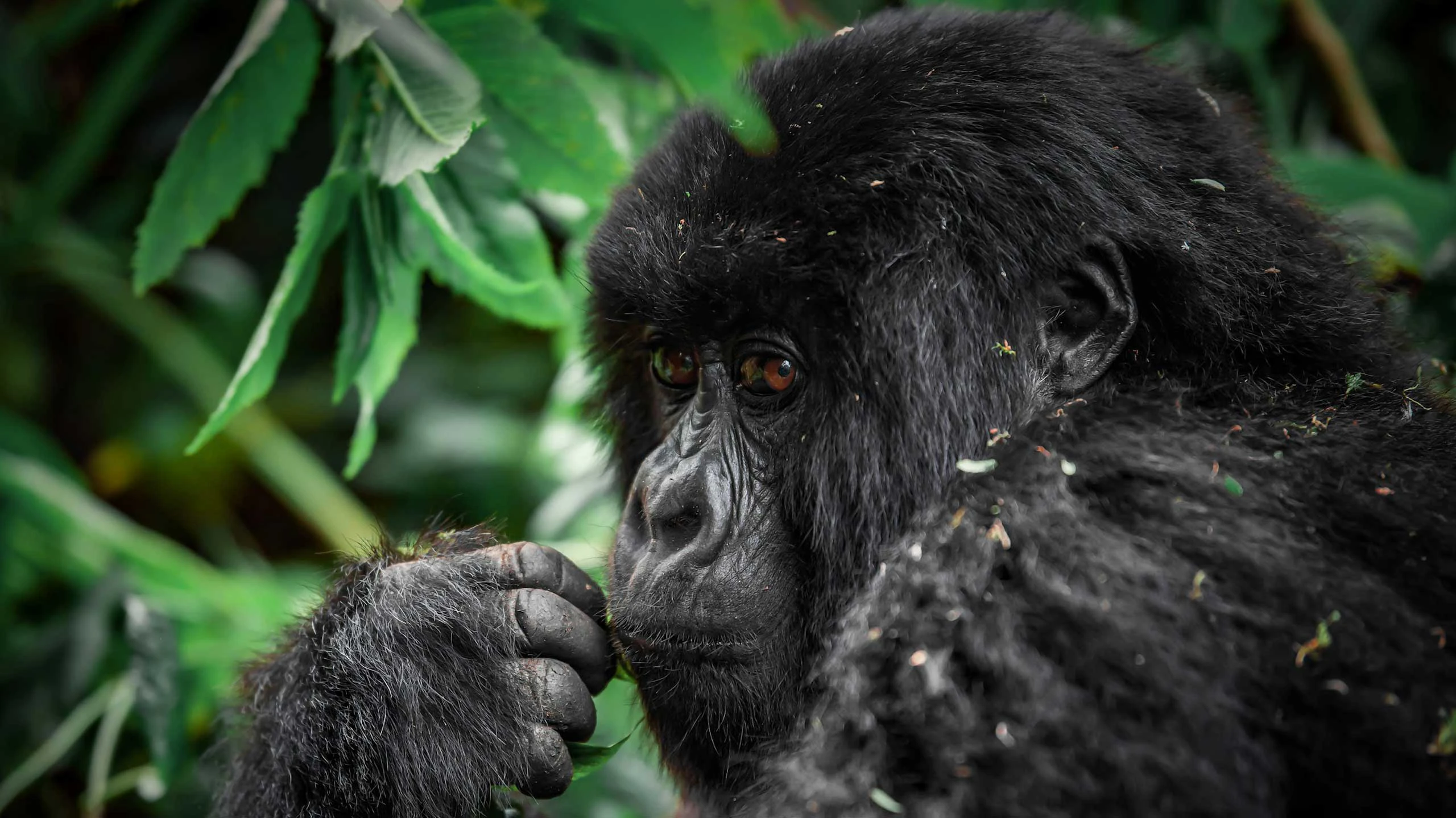
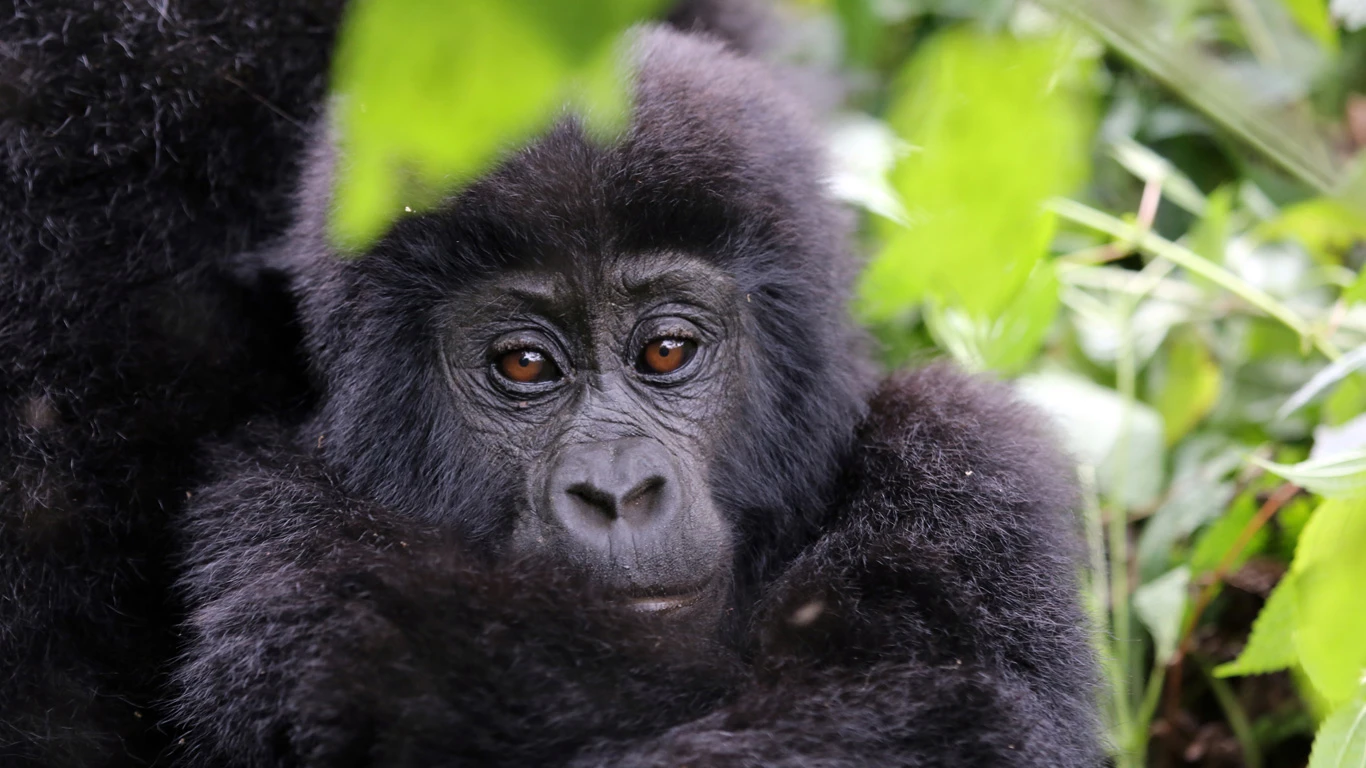
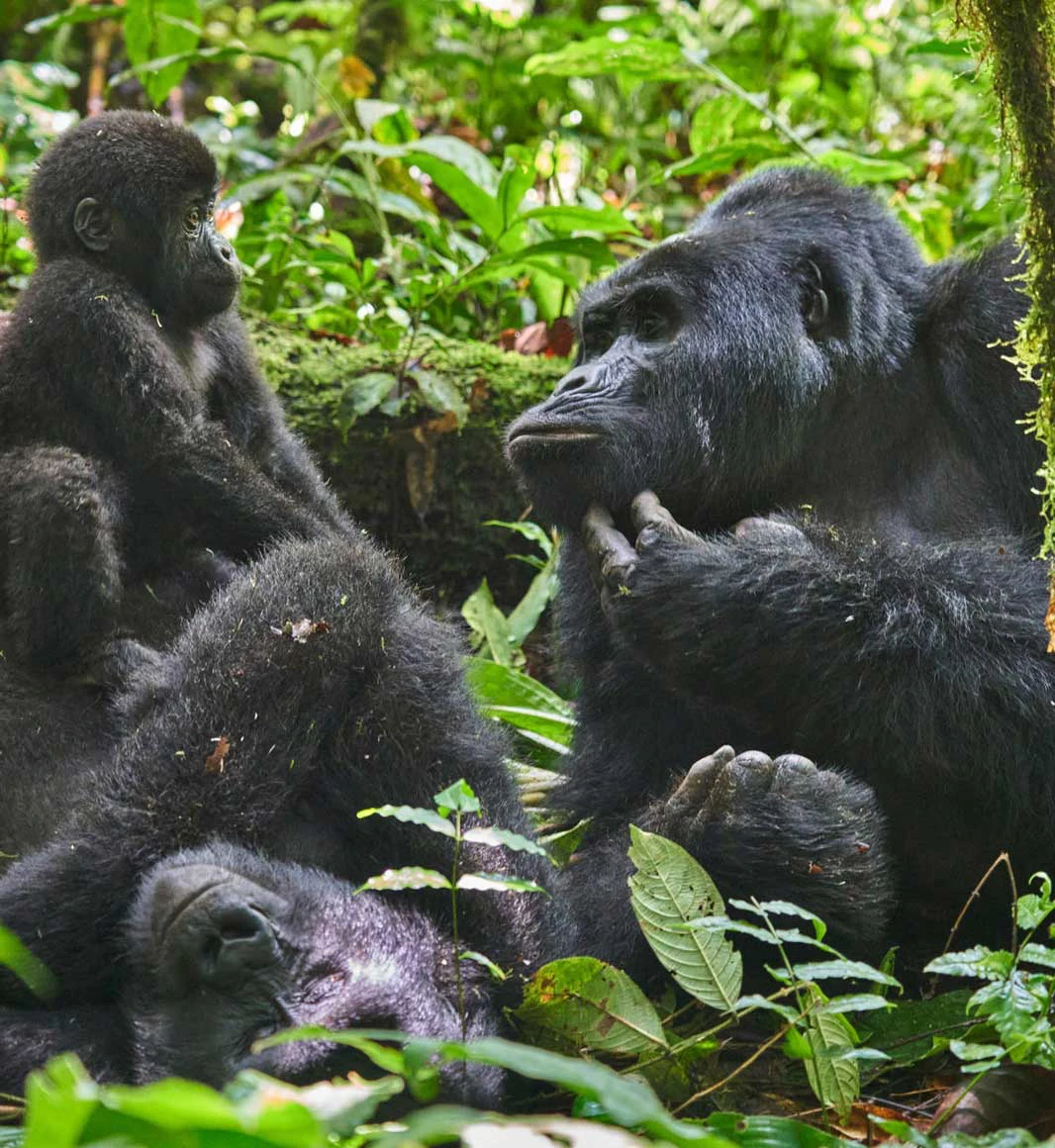
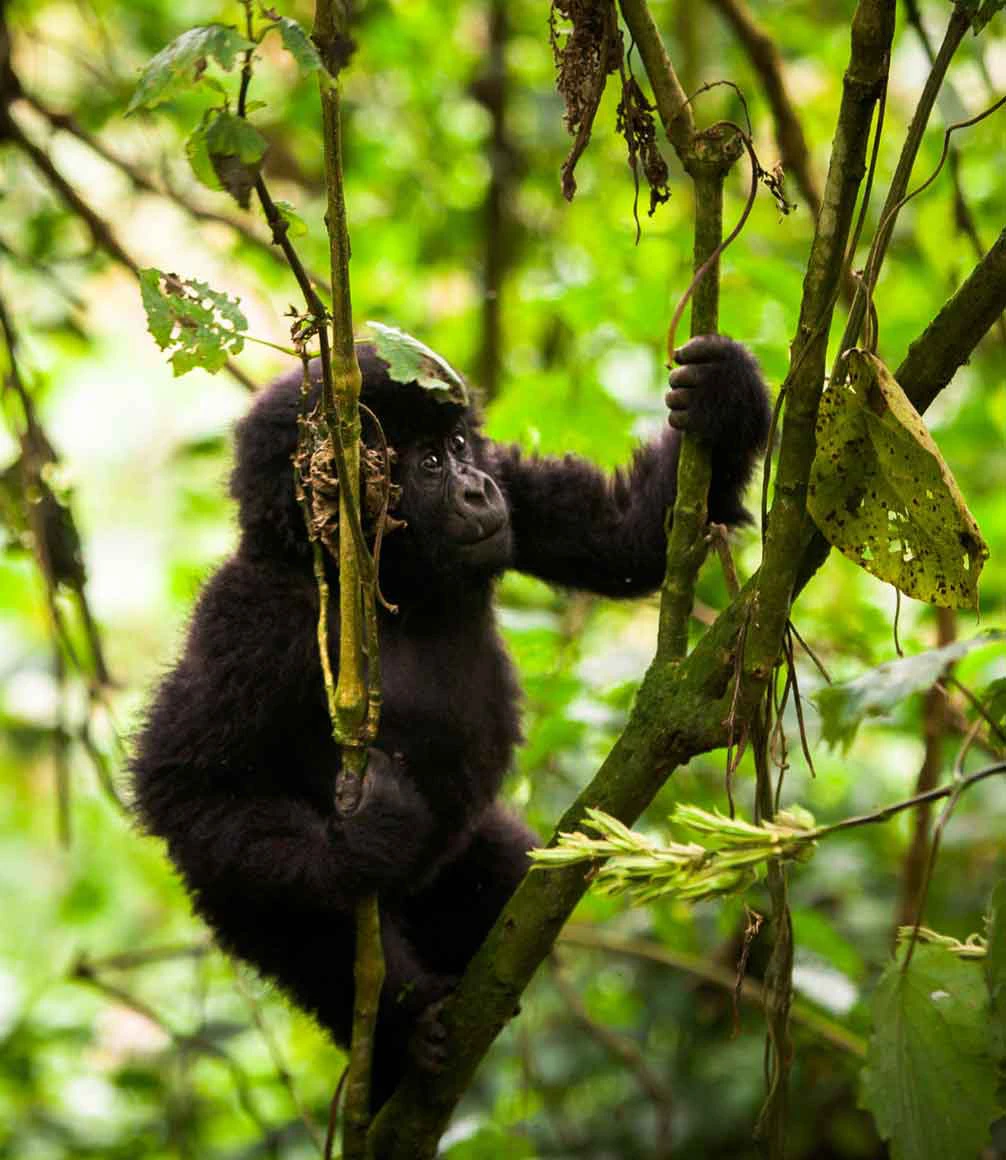
Setting off into the dense, mist-enshrouded jungle of this UNESCO World Heritage Site, every day offers a different kind of encounter – the heart-pounding anticipation as you break trail to track a single family, then the unforgettable moment you find yourself standing just metres away as they groom, feed and move quietly through the forest. Nothing quite prepares you for the time spent in their presence: a young male darting past, infants tumbling through the leaves, the alpha silverback watching over his family.
"Nothing can prepare you for the time you spend in the presence of these enormous animals, observing their behaviour in silent awe."
What Makes This Uganda Gorilla Trekking Experience Special?
For a deeper understanding of Uganda’s mountain gorillas, few people are better placed to shape your perspective than Dr. Gladys Kalema-Zikusoka and the team behind her pioneering conservation work. Uganda’s first wildlife veterinary officer and founder of Conservation Through Public Health, she has spent decades working at the intersection of wildlife conservation, public health and community well-being. Her approach recognises that gorilla conservation cannot succeed unless the people living beside the forest are also supported.
During your time in Bwindi, you will learn how this work has helped protect one of the world’s most vulnerable great apes, while also improving the lives of local communities. Depending on availability, conversations with Dr. Kalema-Zikusoka or members of her team add rare depth to the experience – helping you understand not only what you are seeing, but why it matters.
This is a journey for travellers who want more than a wildlife sighting. It is for those who want the thrill of the trek, the privilege of a close encounter and the context to understand the conservation work behind it.
What Will I Experience on a Gorilla Trek in Bwindi?
Your trek begins early, with a briefing from the Uganda Wildlife Authority before you enter the forest with expert trackers and guides. Bwindi’s terrain is beautiful but challenging: steep slopes, thick vegetation, humid air and uneven trails all form part of the experience.
Observe the richness of the biodiversity on display from brightly coloured butterflies to an abundance of over 350 bird species, the L’Hoest monkey and the chimpanzee as you traverse through the humid forest across uneven terrain. Once with the gorillas, you have one precious hour to observe them. As you witness these extraordinary animals up close, enjoy the opportunity to ask questions about how conservation efforts have helped to turn around the mountain gorilla’s plight. Watch as they feed, groom, rest and interact with one another – a family rhythm at once familiar and entirely wild. It is intimate, humbling and often profoundly moving.
Conservation, Community and Dr. Gladys Kalema-Zikusoka’s Work
For further insight into the world of the gorillas, you can visit the Gorilla Health and Community Conservation Centre for a behind-the-scenes look at gorilla conservation in practice.
Dr. Kalema-Zikusoka’s work has helped reshape the way conservation is understood internationally. By recognising that disease, poverty and habitat pressure are interconnected, Conservation Through Public Health works with communities living around Bwindi to improve health, livelihoods and conservation outcomes together. This gives your journey a different level of meaning. You are not only seeing mountain gorillas in the wild; you are learning about the complex, practical and deeply human work required to protect them.
Where Will I Stay in Bwindi?
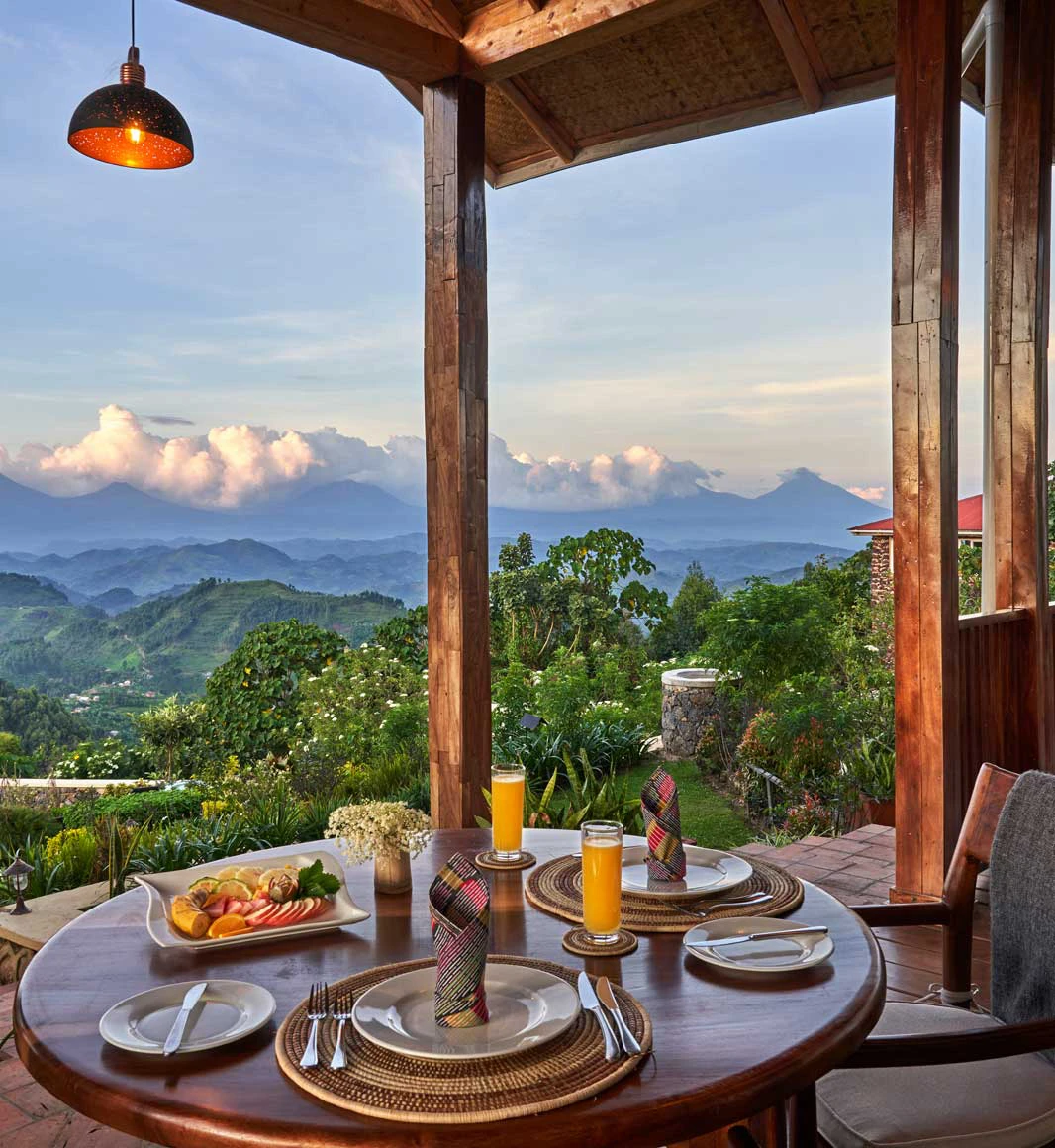
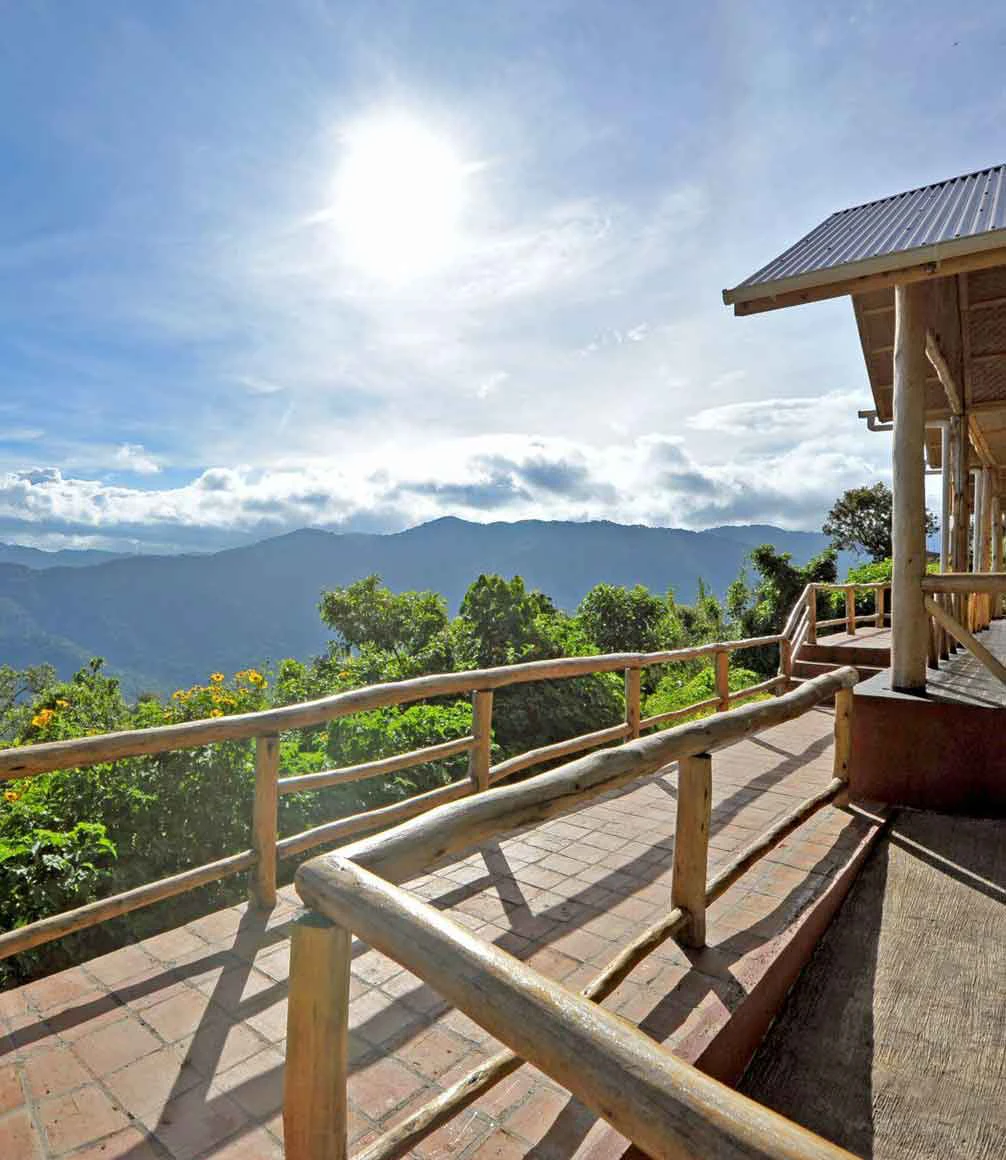
Your base is chosen for its proximity to the trekking sector, comfort and sense of place. In Buhoma, Gorilla Forest Lodge and Buhoma Lodge sit right on the forest edge. Deeper into the park, Mahogany Springs and Erebero Hills offer a more secluded feel, while Clouds Mountain Gorilla Lodge – perched high above the forest near Nkuringo – is one of Uganda’s most celebrated stays. If your itinerary extends to Mgahinga, Mount Gahinga Lodge makes an exceptional base for golden monkey tracking.
Expect rustic yet comfortable rooms, good food and the quiet satisfaction of having experienced something genuinely rare.
When Is the Best Time to Go Gorilla Trekking in Uganda?
Gorilla trekking in Uganda is possible year-round, although the drier months tend to offer the most comfortable walking conditions. From June to September, trails are generally more manageable and this is one of the most popular times to travel, so permits and the best lodges should be secured well in advance.
December to February is another excellent window, often bringing good trekking conditions and slightly warmer weather. The wetter months, from March to May and again from October to November, can make the forest trails more challenging underfoot, but Bwindi is beautifully lush at this time, and there are often fewer visitors.
It is worth remembering that Bwindi is a rainforest, so rain is possible at any time of year. The experience is shaped as much by the gorillas’ movements as by the weather, which is part of what makes every trek feel different.
How to Plan a Uganda Gorilla Trekking Safari
A meaningful gorilla trekking journey should be planned carefully, with enough time to account for travel logistics, permit availability and the physical nature of the trek.
We recommend most travellers allow at least three nights in Bwindi, giving time to settle in, complete one or ideally two gorilla treks, and visit conservation or community projects without feeling rushed. A second trek is often worthwhile: the first can be emotional and exhilarating, while the second allows you to absorb more, watch more carefully and simply be present.
Uganda gorilla trekking permits are limited and must be secured in advance. Current Uganda gorilla permits are listed at US$800 per person for standard trekking, though prices and availability should always be checked at the time of planning.
We arrange the right trekking sector, lodge, guiding and routing around your priorities – whether you are focused on photography, conservation, family travel, or combining gorillas with a broader Uganda safari.
How Can I Extend This Experience?
Uganda combines exceptionally well with other wildlife and conservation-led experiences.
For a richer primate-focused journey, pair Bwindi with Kibale Forest, one of the best places in Africa for chimpanzee tracking. For classic safari contrast, continue to Queen Elizabeth National Park for game drives, boat safaris and tree-climbing lion country, or to Murchison Falls for river landscapes and dramatic wildlife viewing.
You can also extend into Rwanda, comparing Uganda’s dense, adventurous Bwindi trekking with the more accessible Volcanoes National Park. For a wider East African journey, Uganda pairs naturally with Kenya or Tanzania, allowing you to combine gorillas with a savannah safari and the Great Migration.
Why Travel with The Explorations Company?
Our specialists understand how to shape this extraordinary experience with care.
Subject to availability, we can arrange time with Dr. Gladys Kalema-Zikusoka or her team, build in meaningful community and conservation encounters, and ensure the pace feels considered.
For those seeking something more immersive, we can also organise gorilla habituation – an experience unique to Uganda. With just four permits available per day, you spend up to four hours alongside a gorilla family still becoming accustomed to human presence. Unpredictable and genuinely unlike a standard trek, it suits those with a higher level of fitness and a taste for the extraordinary.
The result is not simply a gorilla trek, but a deeper understanding of Uganda’s forests, people and wildlife – and your place within that story.
Frequently Asked Questions
Can I meet Dr. Gladys Kalema-Zikusoka during this Uganda gorilla trekking experience?
Subject to availability, we can arrange time with Dr. Gladys Kalema-Zikusoka or members of her specialist team, as well as privileged access to the conservation work she leads through Conservation Through Public Health. This should be planned well in advance, as schedules are limited and the experience is carefully arranged around your itinerary and field commitments.
What makes this gorilla trekking experience different from a standard Uganda gorilla safari?
This experience goes beyond the trek itself. Alongside expert guiding in Bwindi, you gain a deeper understanding of gorilla conservation, community health and the pressures facing the forest through the work of Dr. Kalema-Zikusoka and her team. It is designed for travellers who want context, access and meaning — not simply a wildlife sighting.
Is this experience suitable for a private or bespoke journey?
Yes. This experience is best arranged as part of a fully bespoke Uganda journey, with your lodge, trekking sector, conservation visits and wider safari route selected around your interests. It can be shaped for photographers, conservation-focused travellers, families with older children, or those combining Uganda with a broader East African safari.
What level of comfort can I expect in Bwindi?
Bwindi is remote, but comfort is not compromised. Expect comfortable accommodation, forest views, good food and the quiet atmosphere of being properly immersed in the mountains.
Is Uganda the right choice if I want a more adventurous gorilla trekking experience?
Yes. Uganda, and Bwindi in particular, suits travellers who enjoy a stronger sense of wilderness. The forest is dense, the terrain can be challenging and each trek feels different, but that is precisely what makes the experience so rewarding. For those who want a more rugged and immersive alternative to Rwanda, Uganda is often the better fit.
Can this be combined with chimpanzee tracking or a classic safari?
Yes. Bwindi combines very well with Kibale Forest for chimpanzee tracking, Queen Elizabeth National Park for game drives and boat safaris, or Murchison Falls for river landscapes and broader wildlife viewing. It can also be paired with Rwanda, Kenya or Tanzania for a more complete East African journey.
How far in advance should I plan this experience?
We recommend planning as early as possible, particularly if you want to travel in the drier months, secure the best lodges, undertake two treks, or include time with Dr. Kalema-Zikusoka or her team. Gorilla permits are limited, and the best arrangements require careful coordination.