On my recent research trip along the Nile, I was able to explore farther afield and explore private, lesser-visited places. These historical sites became my own favourites that I keep recommending to those who want to explore deeper and learn more. From a colossal temple that few boats stop at, to a desert valley scattered with whale fossils, here are the places that stayed with me and I’d recommend including on a journey through Egypt’s history.
Esna Temple, Egypt: the Nile temple few visitors ever see
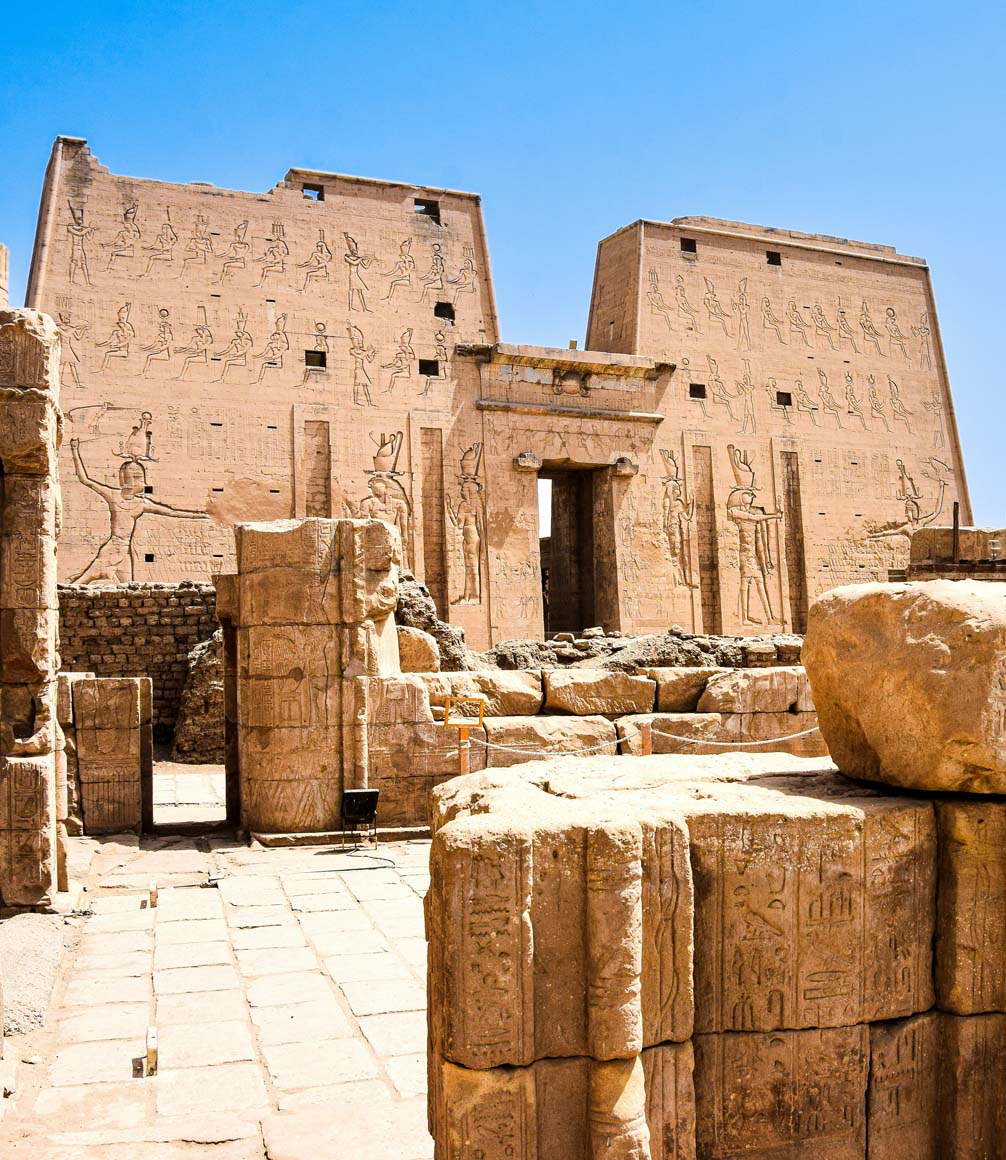
Of all the places I visited on the Nile, Esna, just a little up river from Luxor, was my favourite. The temple is large, and because only smaller boats like dahabiyas stop here, it sees far fewer visitors than the sites further along the river, so I had space to take it in properly.
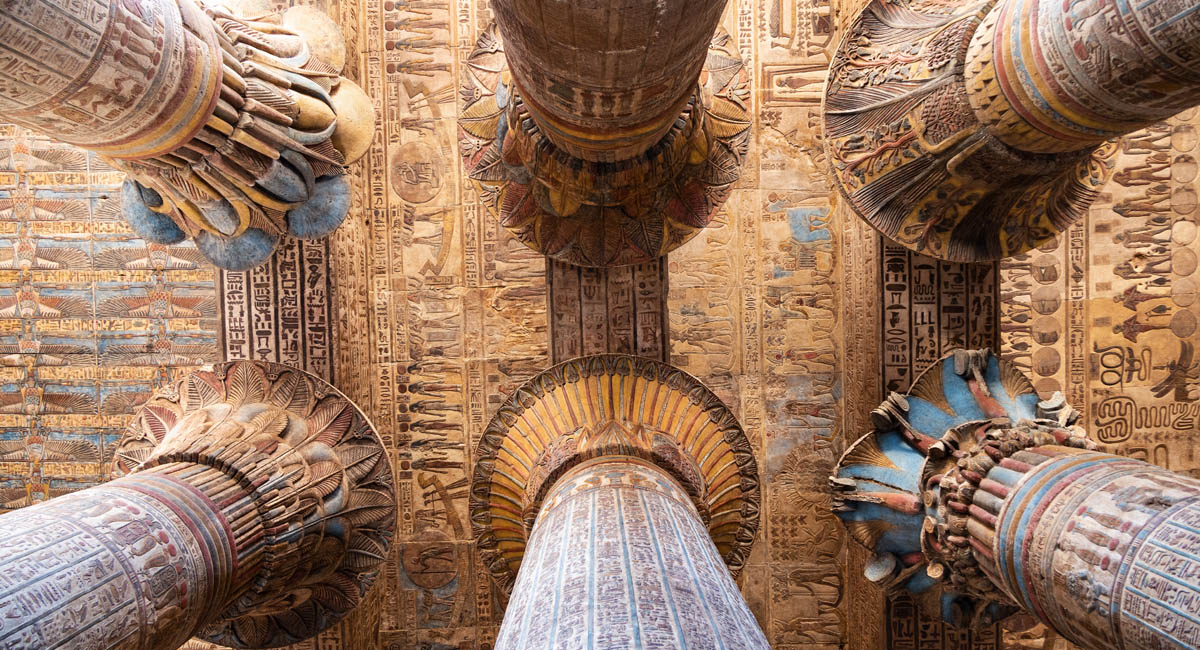
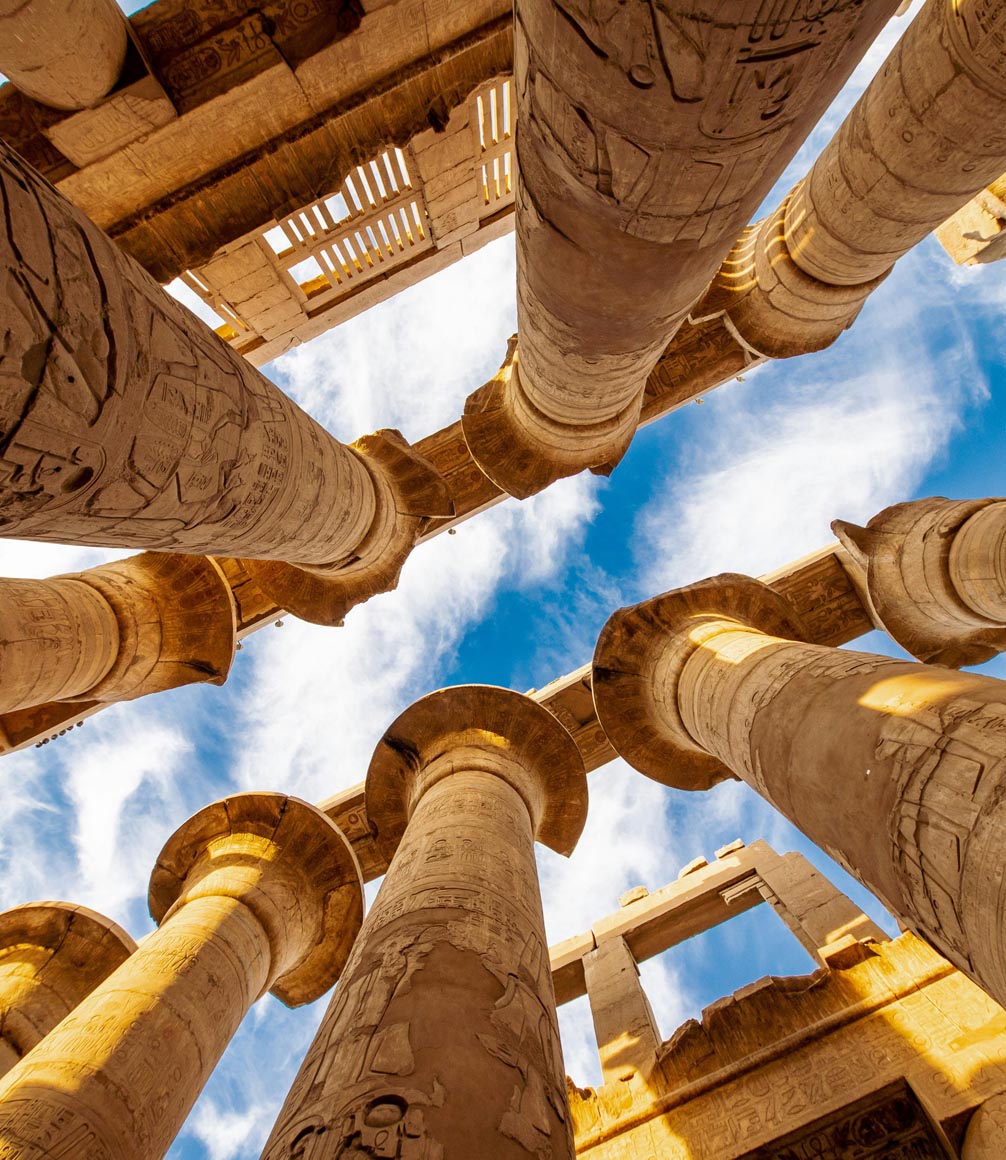
What struck me most were the 24 columns towering above, still carrying enough of their original blue and yellow colour that, with a little imagination, you can picture how they looked in all their glory. The astronomical reliefs across the towers are jaw-dropping, the kind you can’t walk past without stopping.
For those travelling this stretch by dahabiya, I would recommend building in time here with a private guide, timed around the boat’s passage through the Esna lock. If there is time to spare, I would suggest taking the time to wander the Al-Qisariyya market, or the 200-year-old Caravanserai for something a little more offbeat, before winding down with a felucca ride on the Nile.
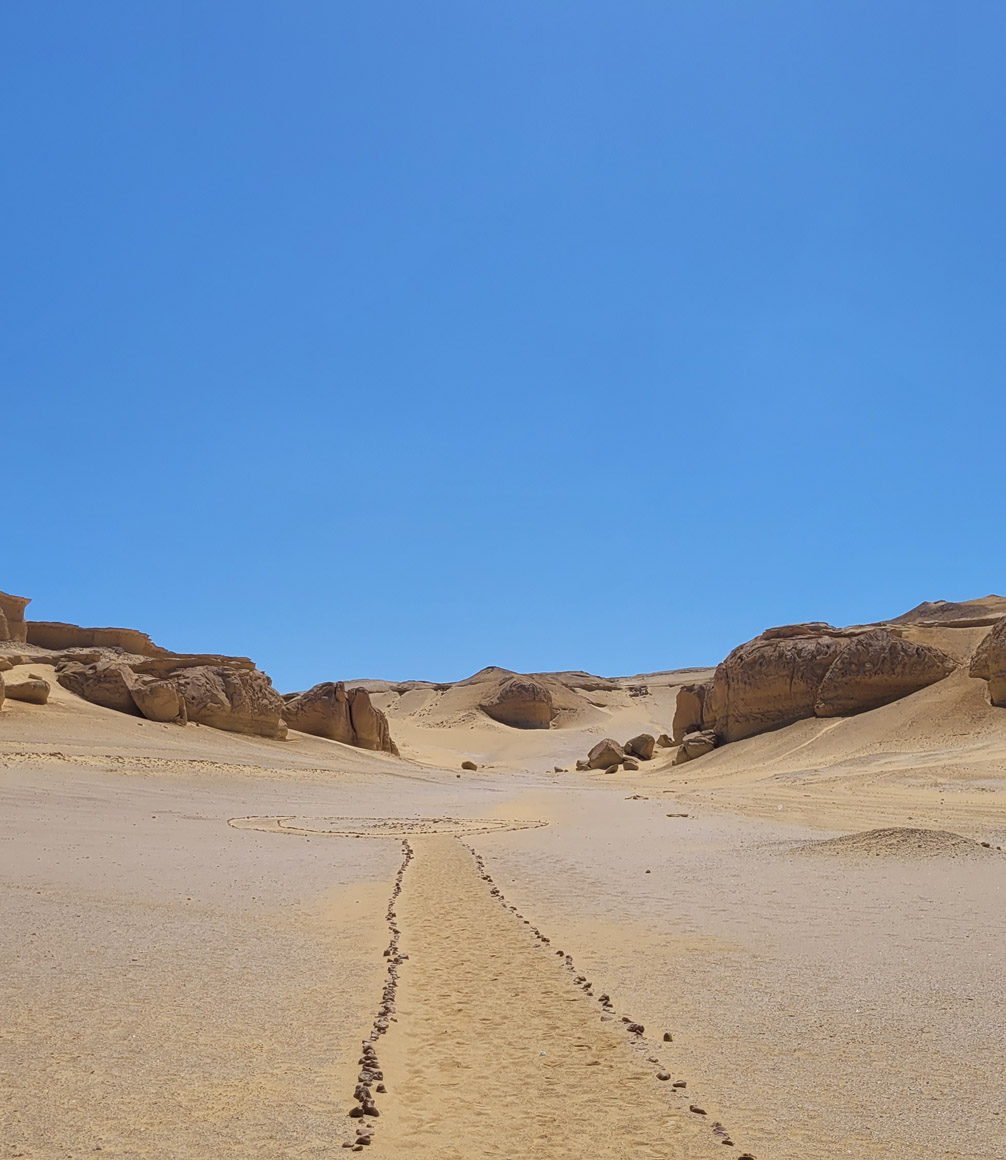
Fayoum Oasis and Wadi Al Hitan: Egypt’s desert and whale fossil valley
By the time I reached Fayoum, just south of Cairo, my head was spinning from all the history and stories of dynasties I had absorbed. I spent a few hours on the shore of Lake Qarun talking to the fishermen there and watching them mend their nets, a proper change of pace after days of guides and hieroglyphics. In Tunis village, I loved learning about Evelyn Porret, a Swiss ceramist who moved there and taught the community pottery. The main street is named Rue D’Evelyn after her, and several families still run pottery workshops where you can watch the pots being made and decorated.
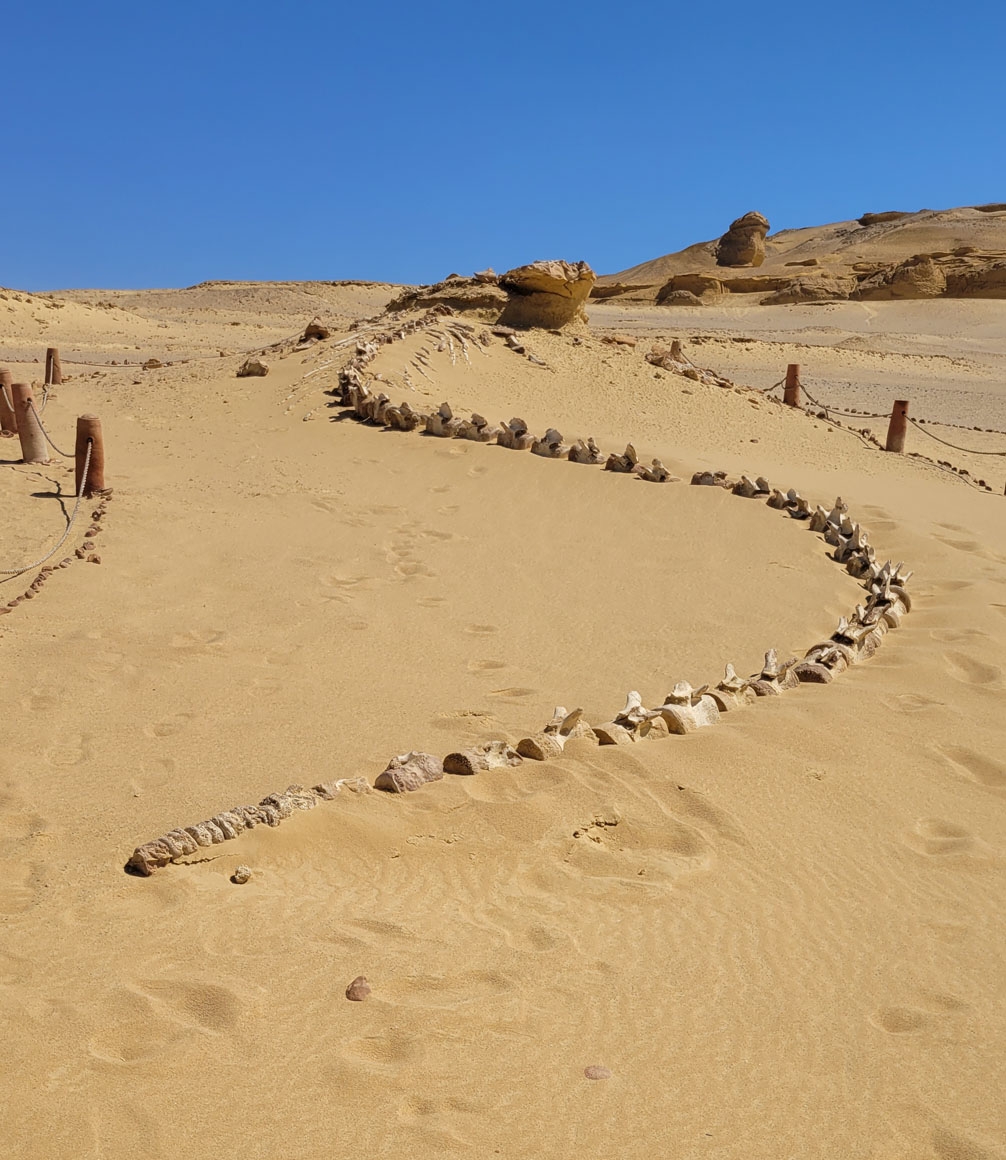
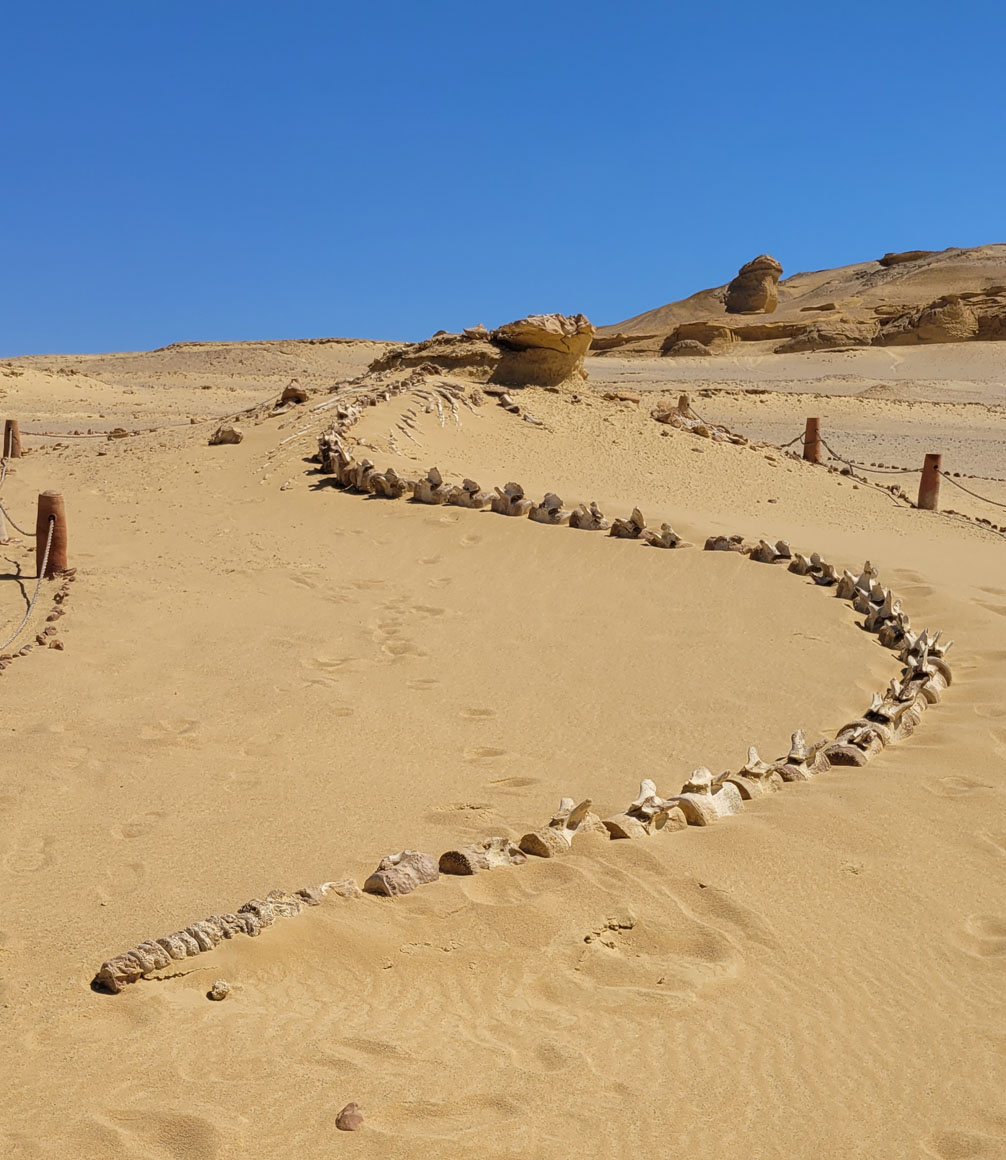
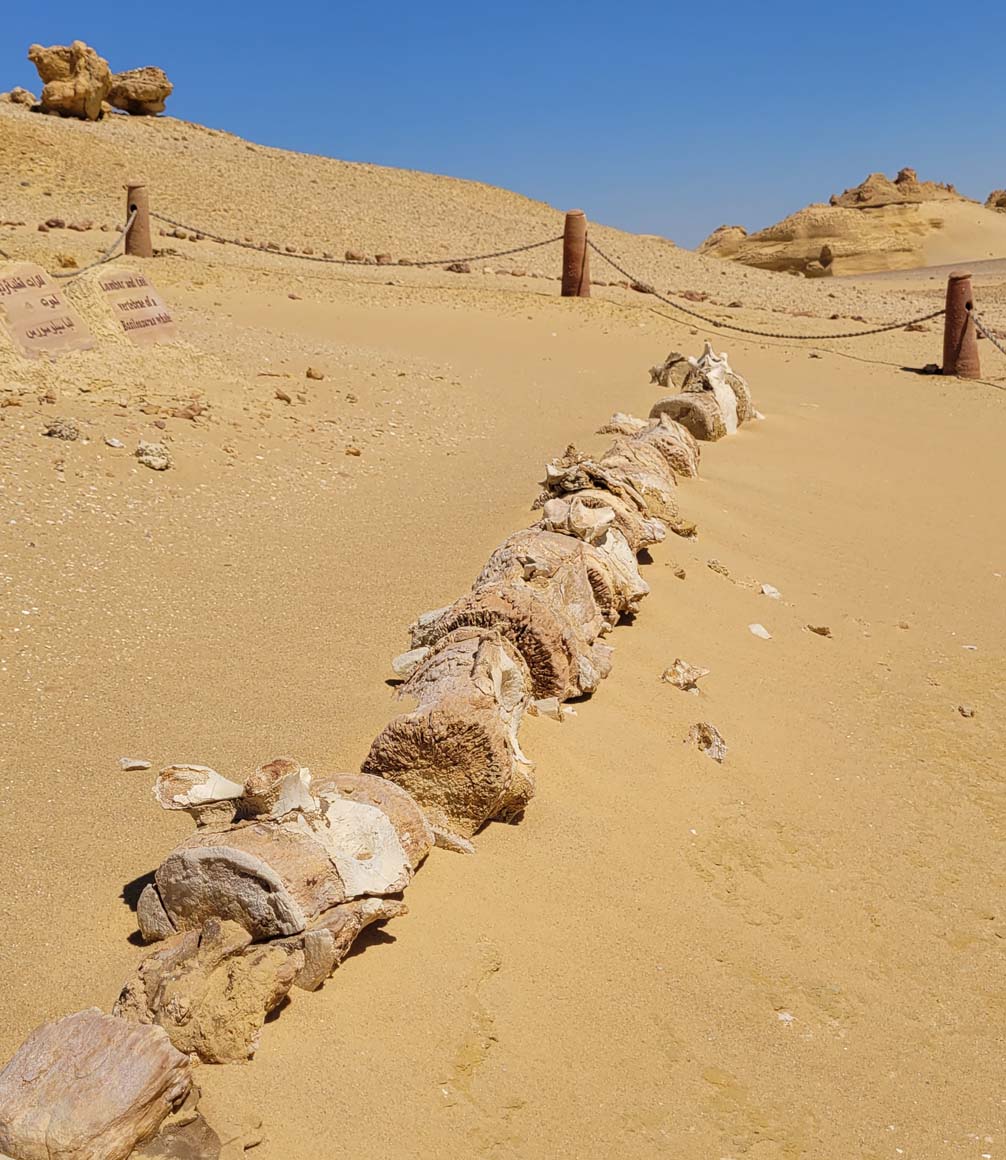
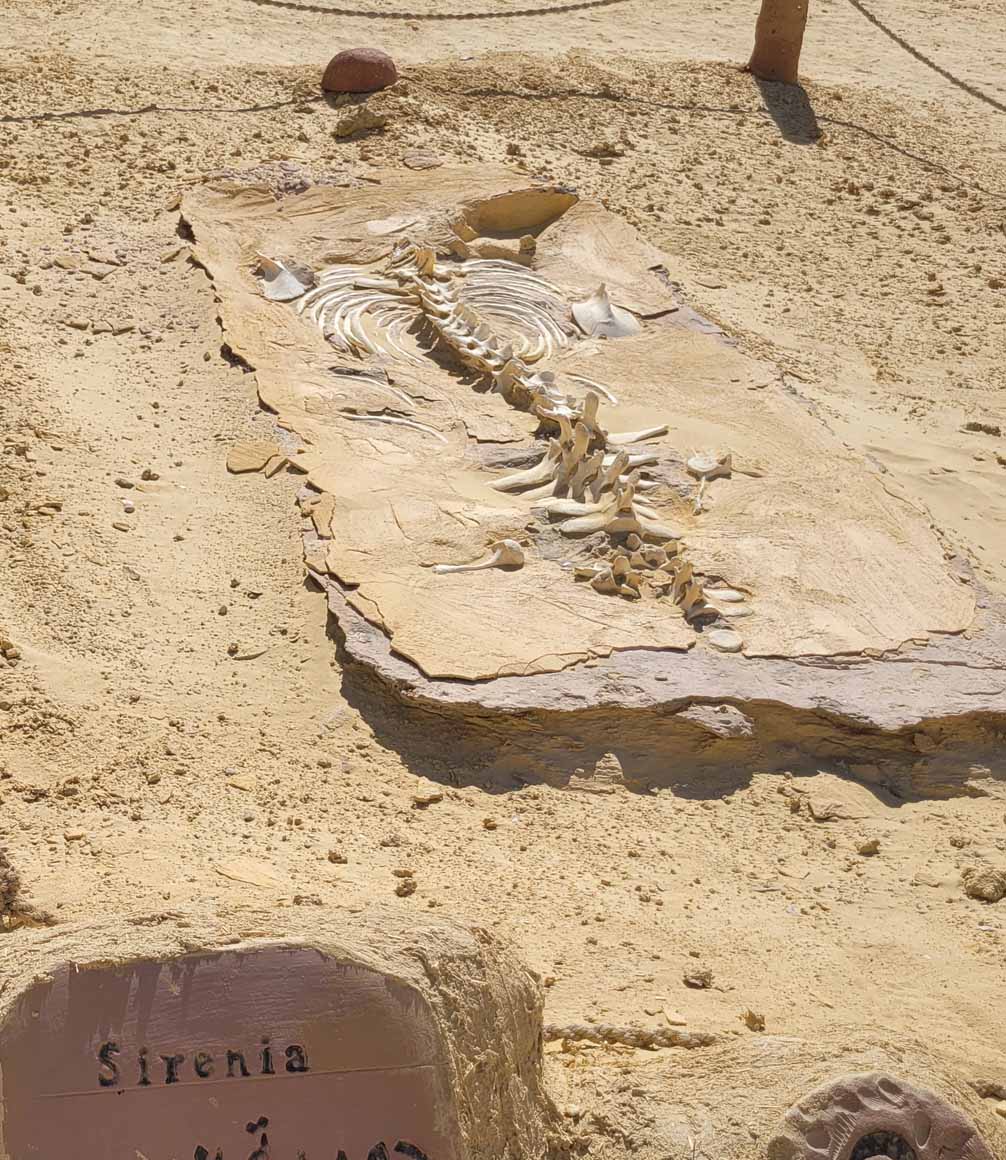
Whilst in Fayoum, visiting Wadi Al Hitan, lying in the desert to the west, is extraordinary. Walking among fossilised whales, crocodiles and sharks lying in the open sand, remnants of a seabed some 40 million years old, is unlike anything else I’ve done. The site is so well laid out that it reminded me of the opening scenes of the first Star Wars film, sand sculpted by wind into huge, organic shapes. The Basilosaurus fossils, with their two tiny hind limbs, show the evolutionary link between land and marine life. It is also just so peaceful there. The only sound is the wind across the desert.
Kom Ombo temple: the crocodile god Sobek and Egypt’s crocodile museum
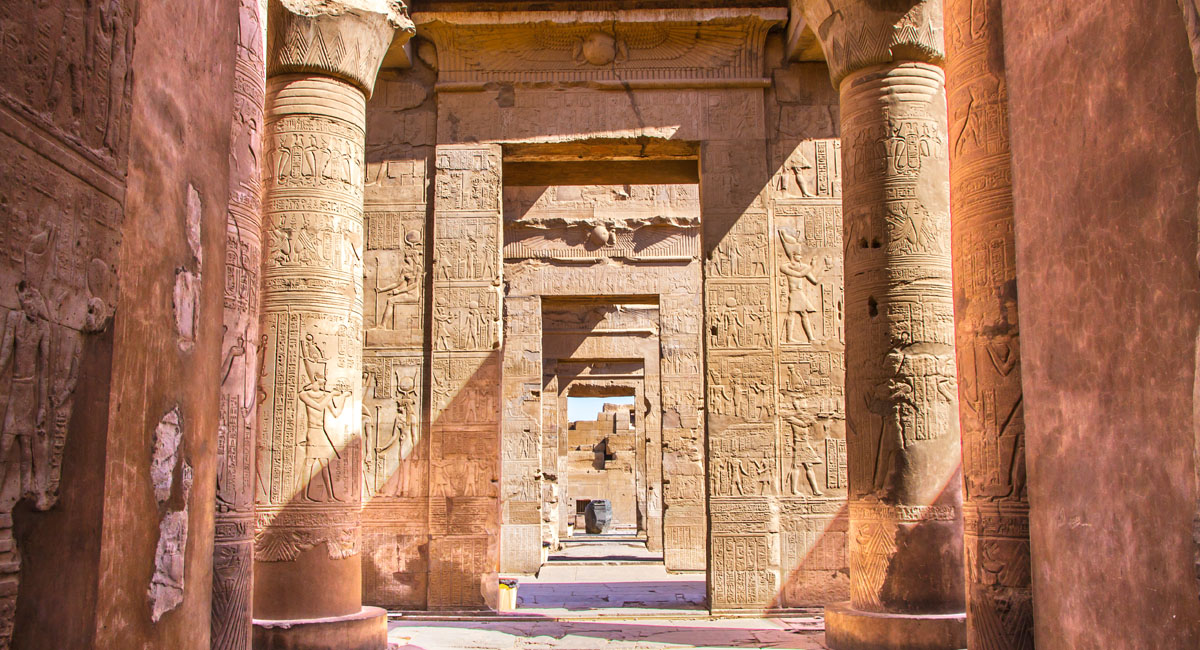
Kom Ombo, just a little downriver from Aswan, was very rewarding. The temple is a mirror image of itself, one half for the crocodile-headed Sobek, carved with ram horns, a sun disk and two tall plumes, the other for the falcon-headed Horus, one the ‘good’ god and one the ‘bad.’ Next door, the Crocodile Museum adds another layer of intrigue; seeing the mummified crocodiles up close, some of them very large, still creates a real feeling of unease. These animals were revered and cared for in life and given elaborate burial ceremonies when they died. I was fortunate to be able to meet the museum curator when I visited to bring that context to life. For those with time, the nearby El-Shatb cemetery – with 164 tombs across 42 acres where animals were buried alongside people – is worth the detour.
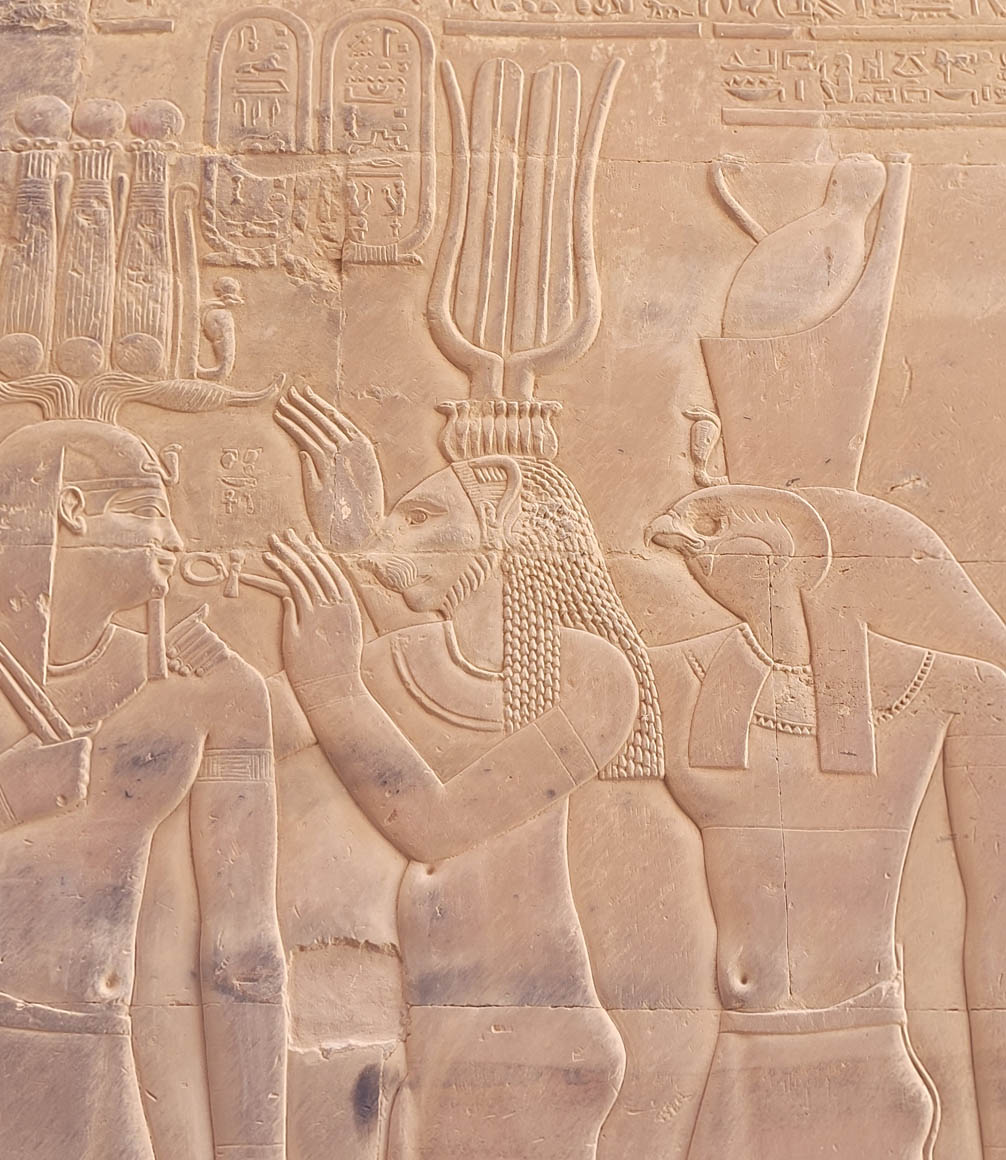
Marvel at the detailed stone carvings at the temple of Kom Ombo
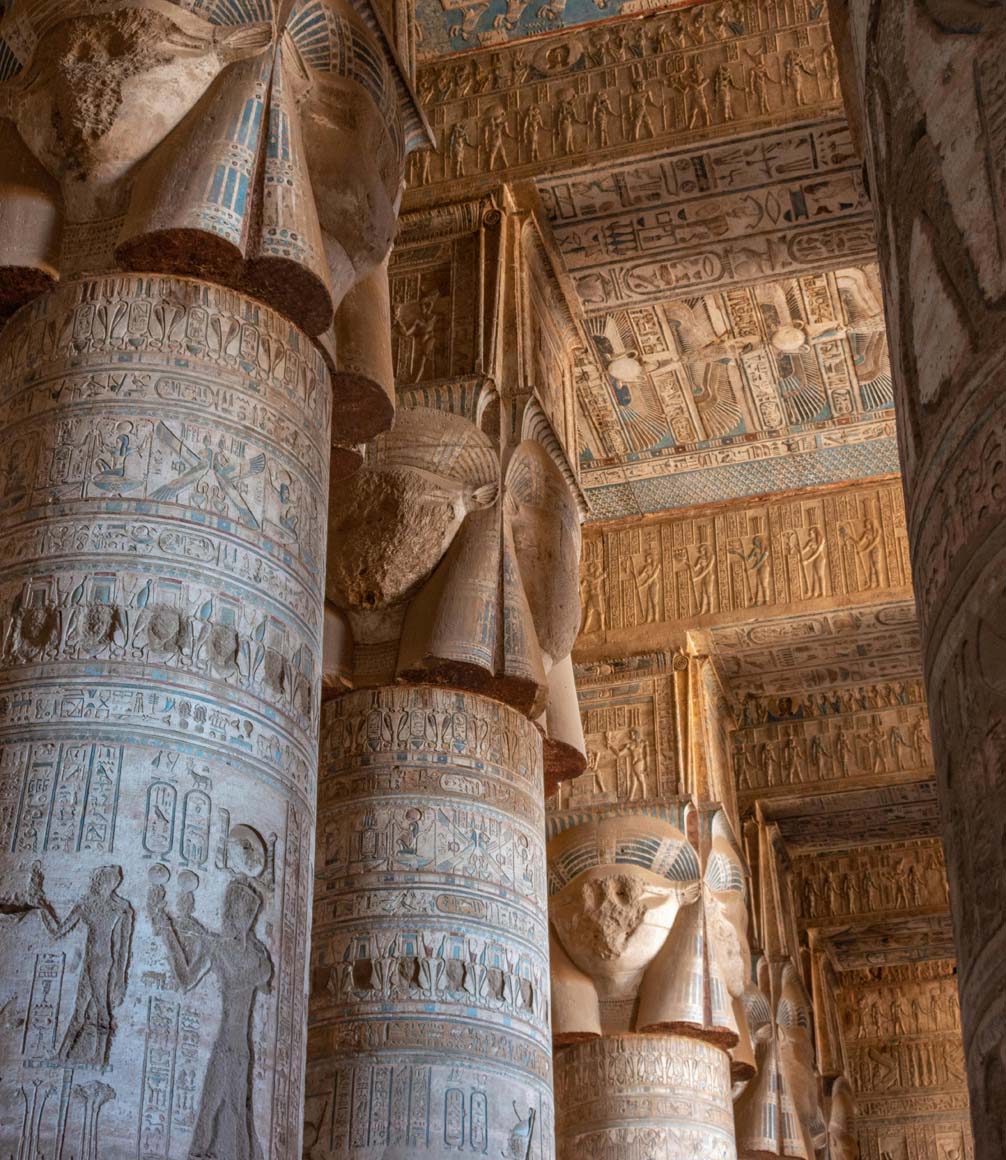
Dendera Temple's well preserved ceiling art is a marvel.
Dendera Temple near Luxor: the zodiac ceiling and Hathor columns
It’s worth setting aside most of a day to explore Dendera. The ceilings are largely intact and richly coloured in reds, golds and blues, and the Dendera Zodiac is a striking record of how much the ancient Egyptians understood about astronomy and the constellations. There are crypts, tunnels and passageways to explore below. The Hathor columns take your breath away, carved with the face of the goddess of music and love. There are also rare carvings here of Cleopatra VII and her son.
Get the most out of Egypt’s secret historical sites
I would recommend having a private Egyptologist guide accompany you to these historical sites. This makes all the difference, giving you a detailed expert insight to the history and archaeology, as well as the ability to have all your questions answered.
Our Egypt specialists are on hand to discuss your own journey tailored around your personal interests. Get in touch to start the conversation.