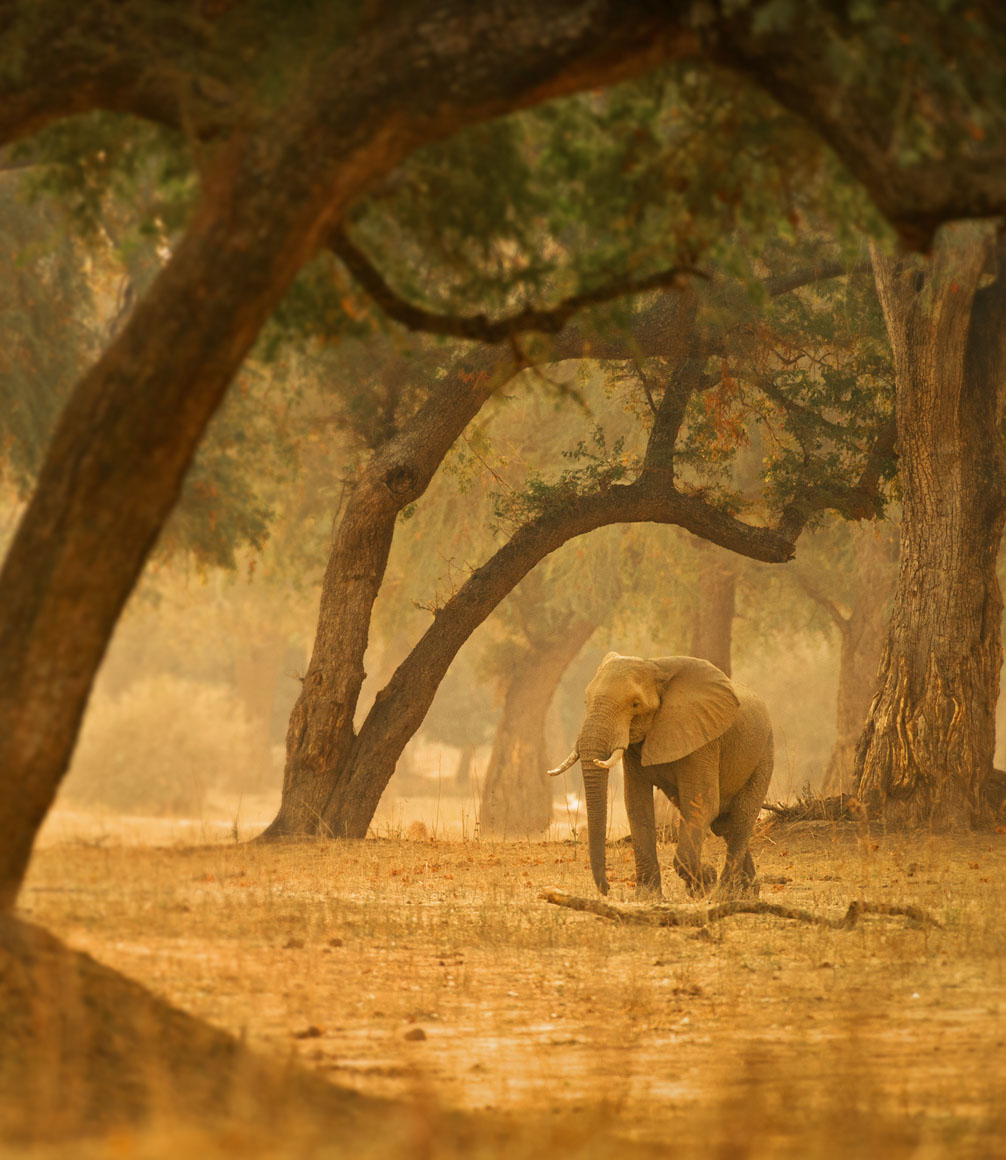
See elephant during the dry season in Mana Pools, Zimbabwe (©Albie Venter)
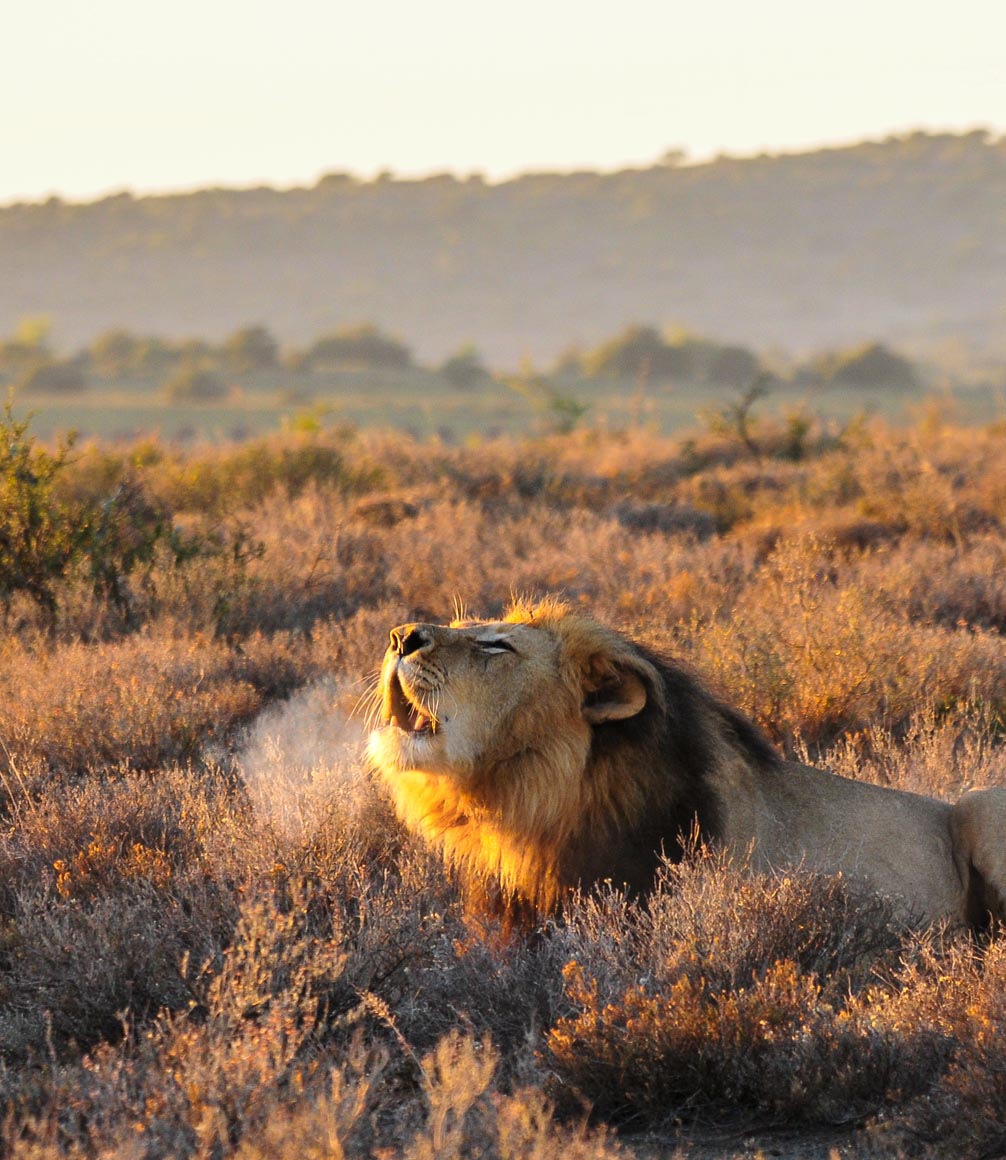
Kwandwe Private Reserve is a premier destination for seeing lion in the dry winter months.
This guide is designed primarily for first-time travellers who are likely to do a classic game drive safari and want to see the Big 5, but it also offers valuable advice for experienced travellers seeking the best safari timing and richer wildlife experiences.
When Is the Best Time for an African Safari?
Seasonality is the largest factor for classic African wildlife safaris. Each country, region and national park has unique conditions that influence the best time for safari in Africa. This guide covers Southern and East Africa, including Kenya and Tanzania, and explains how seasonal patterns such as the July to October dry season, the November to May green season, the Great Migration and the Okavango Delta flood cycle affect wildlife viewing and your overall experience.
The Dry Season (July-October) for Reliable Sightings
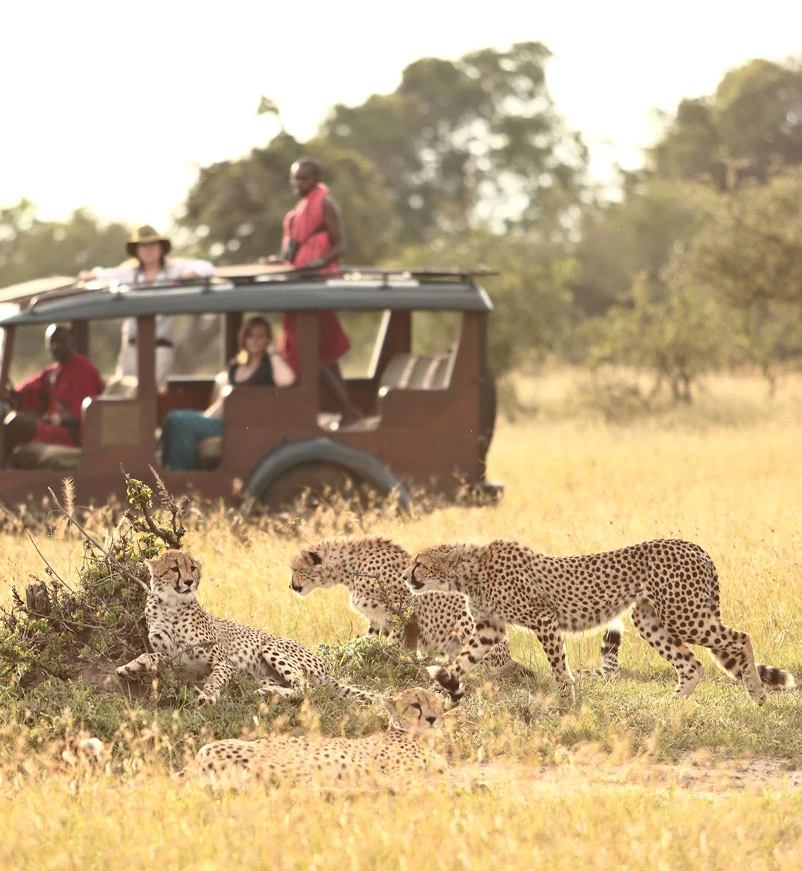
For travellers hoping to see the Big 5, the dry season, typically from July to October, is the most reliable time to go on safari in Africa. Wildlife viewing improves as shorter vegetation opens sightlines and animals gather around scarce water sources, making game drives more rewarding. For many first-time visitors, this is the best time for an African safari because it offers the clearest and most consistent opportunities to enjoy classic wildlife encounters.
Green Season and Long Rains Considerations
In southern Africa, the green season, from late November through to the end of March, offers fewer tourists, lush landscapes and excellent birding opportunities. The abundant vegetation and seasonal rains can make wildlife less conspicuous among taller grasses, making each sighting feel particularly rewarding and memorable.
In East Africa, the long rains of April and May can make travel and wildlife sightings less predictable, so the green season is generally best suited more to those with specific timing needs rather than first-time travellers.
Why Seek Expert Advice For Bespoke Recommendations
Seasonal weather can differ across countries, and we’ll help you navigate these variations to make the most of your chosen destinations. Our team works to match your wildlife goals with the best locations and timing for a truly memorable and rewarding safari.
Looking for tailored advice for your safari?
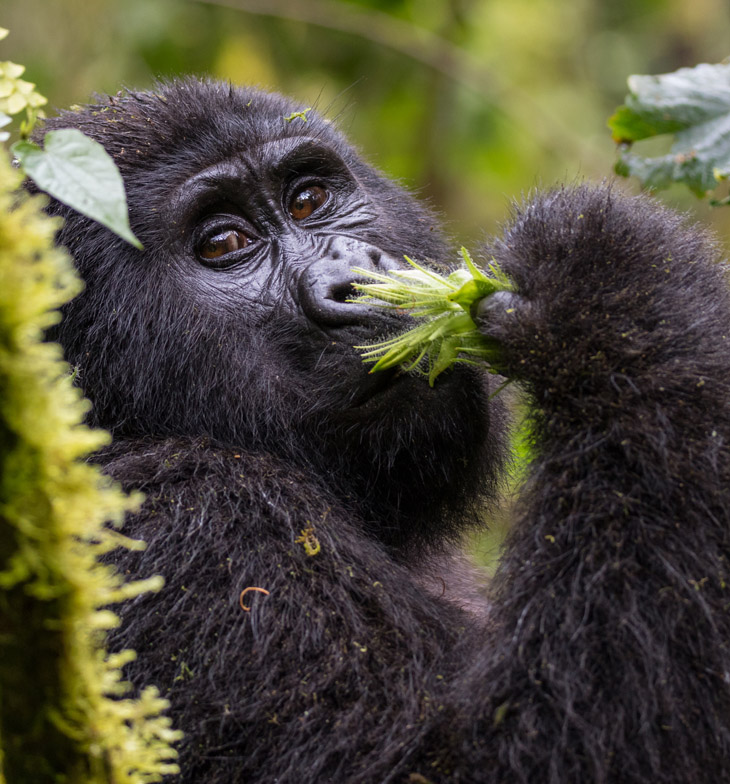
Rainforest regions always have a possibility of precipitation, however avoiding the long rains in April and May results in better conditions for gorilla trekking.
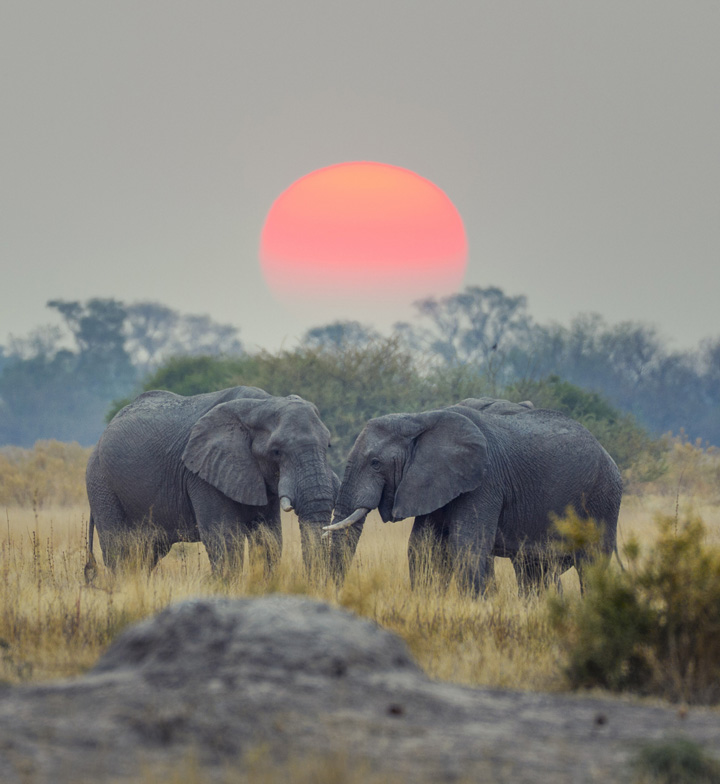
With the grasses dying back, the dry season makes for better visibility for wildlife sightings.
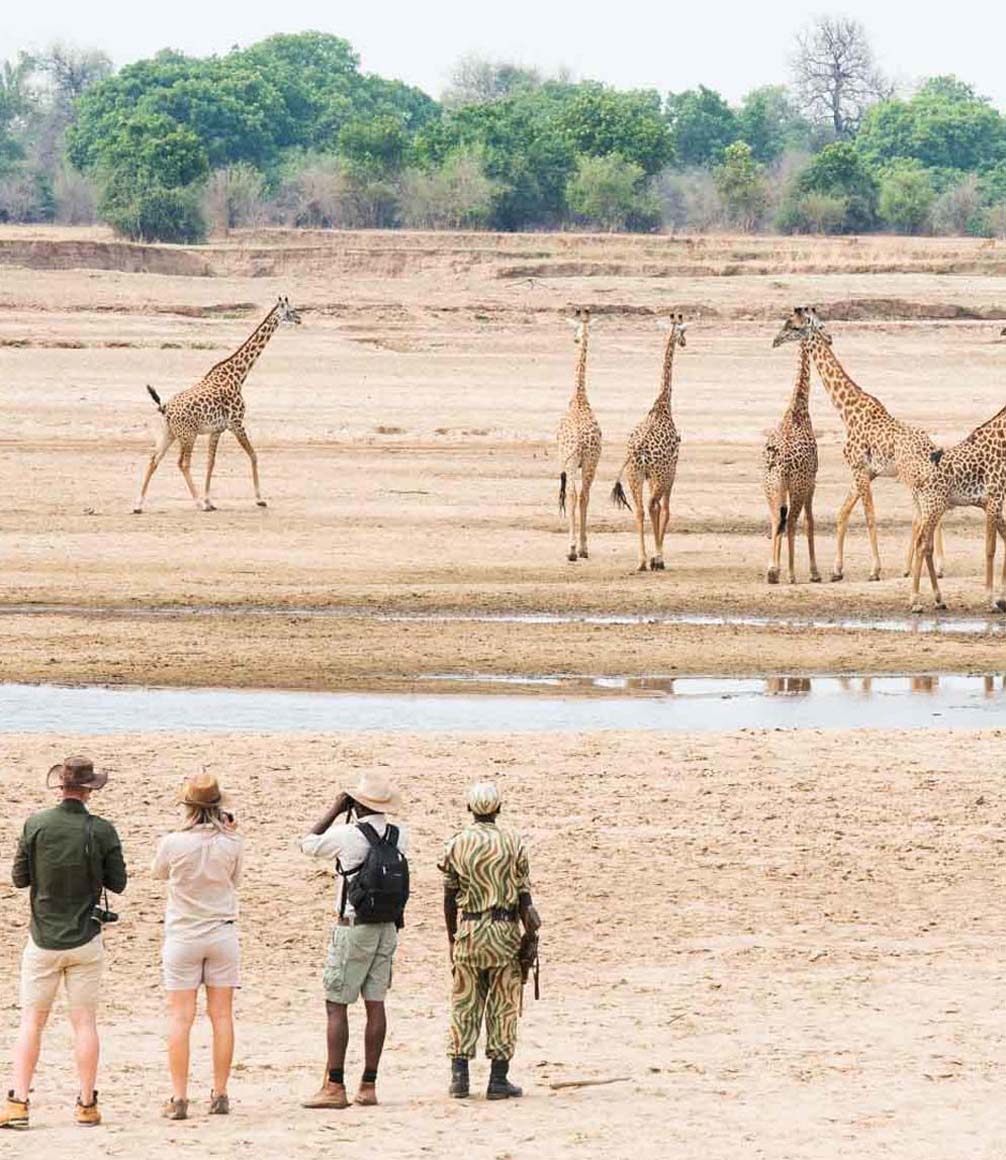
Head to the South Luangwa National Park in the dry season to find higher concentrations of wildlife around remianing water sources (©Shenton Safaris)
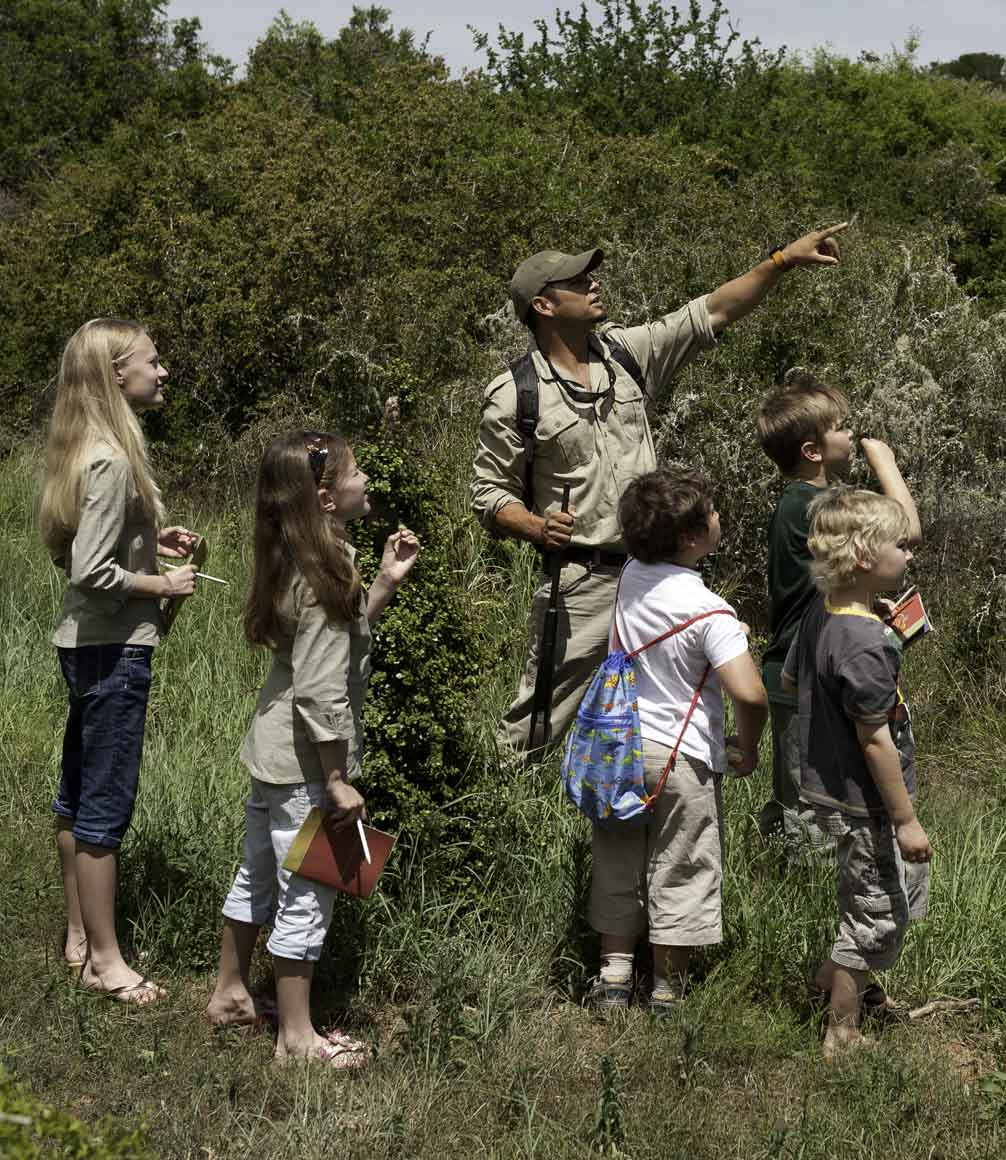
June, July and August are perfect in South Africa for a family safari during the school holidays (©Kwandwe Private Game Reserve)
"Timing is one of the most important factors for any safari, whether it is your first or one of many."
Exceptions to Be Aware of When Planning Your Safari
There are a few important exceptions and regional variations to these general timing guidelines. Understanding them can make a real difference when deciding on the best time to visit Africa for a safari.
Cape Region, South Africa – Mediterranean climate
This area generally has a Mediterranean climate but can be very wet and cool in winter, especially in June, July and August, which coincides with the dry season in other South African safari regions. Cape Town is particularly beautiful from January to March, when the weather is warm and dry. Even if you visit during the wetter winter months, you can still enjoy whale watching, wildflowers, botanical walks and cosy wine tasting experiences in the Winelands, making this a rewarding addition to a wider safari itinerary.
Okavango Delta, Botswana – annual flood cycles
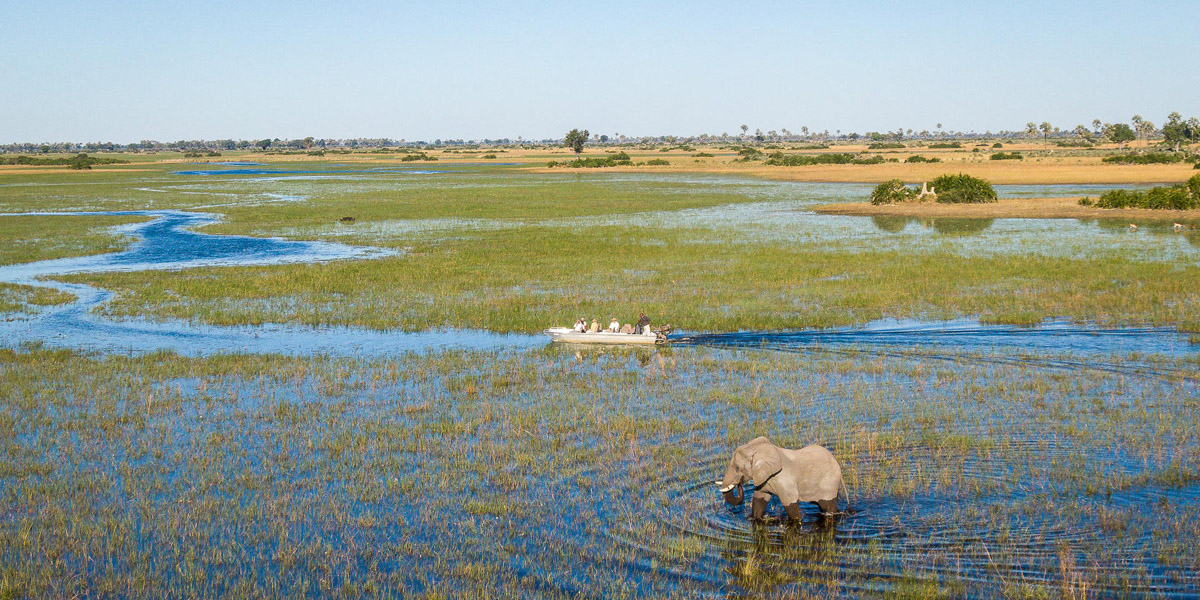
Explore the Okavango Delta in full flood (image Jao Camp)
In Botswana, the best time to visit is closely linked to the flood cycles of the Okavango Delta. Mid-May to mid-August is ideal for observing high concentrations of wildlife as floodwaters peak and then begin to recede. September to December is drier and offers very good wildlife viewing. The waterholes and pans dry and the wildlife concentrates around the rivers and any permanent water, however temperatures can be hot and less comfortable for game drives. For many travellers, this seasonal pattern makes Botswana one of the most distinctive safari destinations in Africa.
Great Migration, East Africa – annual cyclical journey
The timing of the Great Migration varies depending on the area and the wildlife experience you are seeking.
- – Calving season generally runs from late December to mid-March in the southern Serengeti in the Ndutu areas, when the plains are filled with newborn animals and predator activity is high.
- – River crossings usually occur from May to June in the Serengeti western corridor and the Grumeti Reserves,
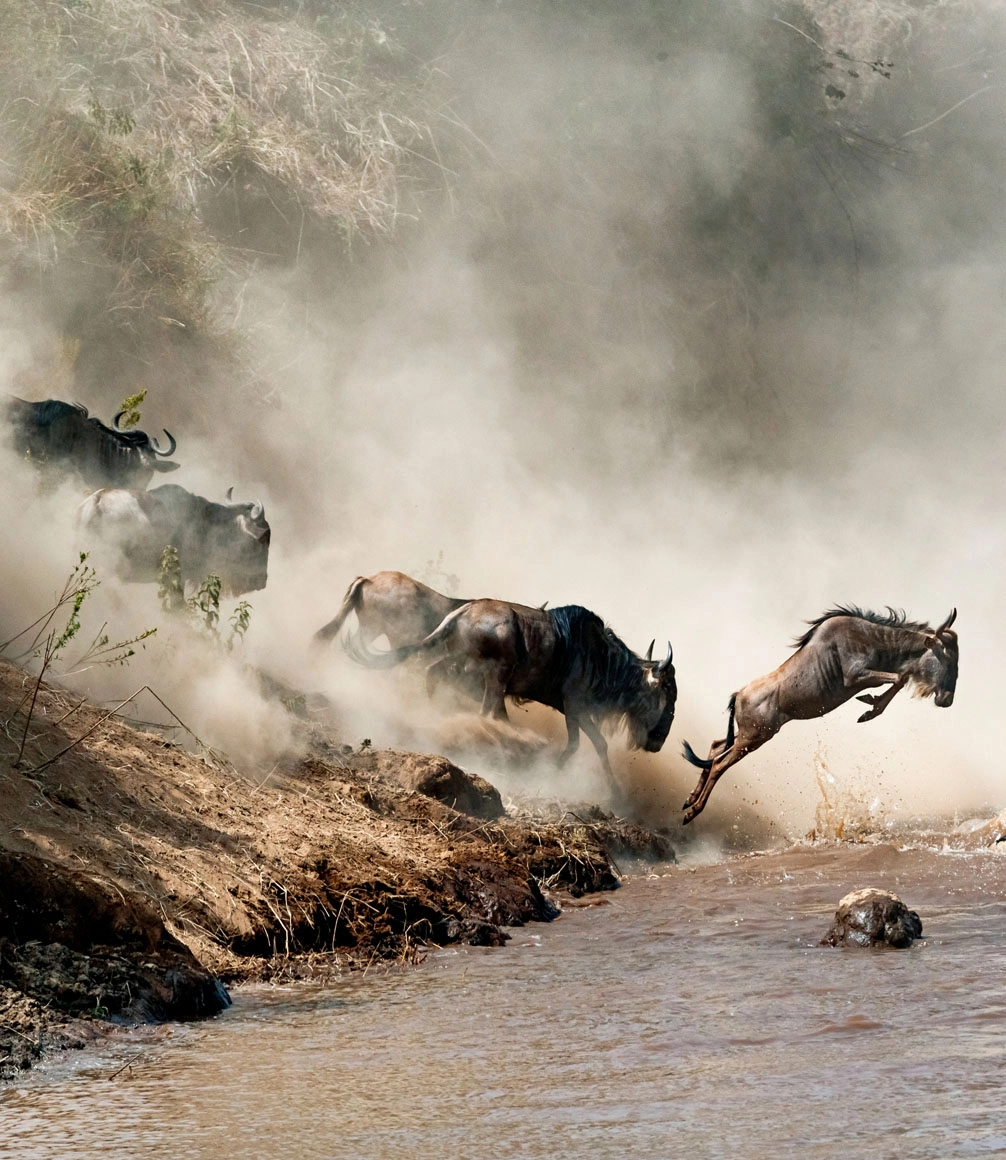
- – The famous Mara River crossings are most often seen from July to mid-September in the northern Serengeti and Masai Mara.
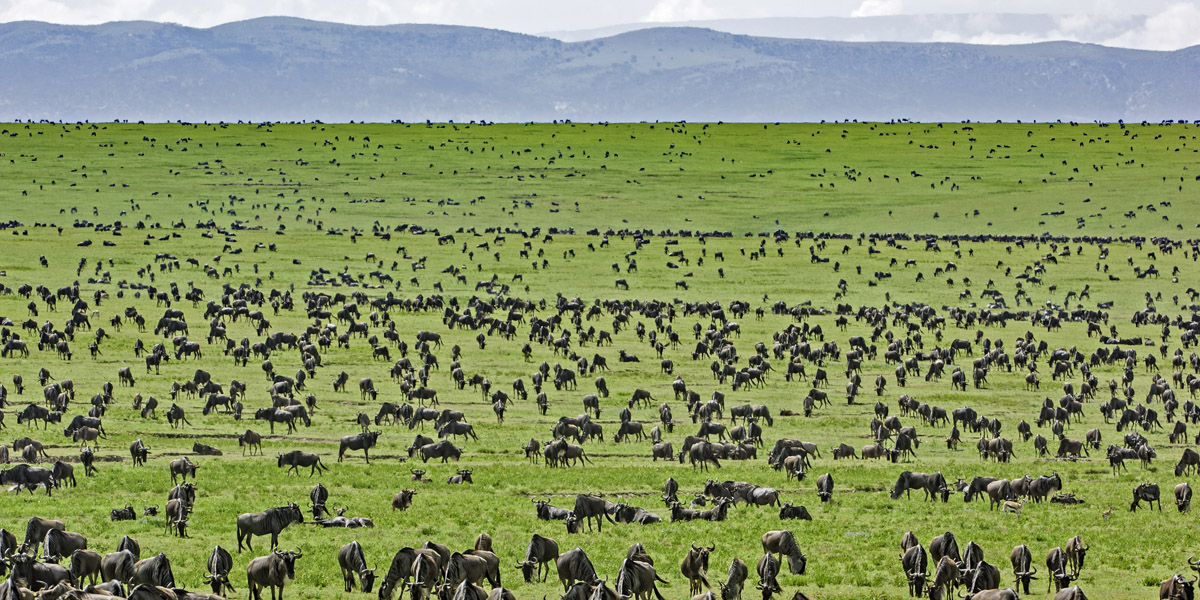
Visit the Serengeti in the green season to witness the calving
Timing your safari around these events means you are more likely to see wildlife at its most dramatic and experience moments you will never forget. With our experience, we can help you navigate these options to create a safari that feels personal, effortless and exactly what you hoped for.
Best Time for Specific Types of African Safari
If you have a particular type of safari in mind, timing can make a huge difference to what you experience and can shape your decision about the best time to go on safari in Africa.
Walking Safaris
The dry months from June to October are ideal for walking safaris in Zambia, Zimbabwe and Botswana, when shorter grass makes wildlife easier to spot. In East Africa, walking safaris can also be extended in areas such as Nyerere, Katavi and and Ruaha National Park. Walking safaris allow you to get closer to nature, and choosing the right season ensures better visibility and a richer overall experience.
Gorilla Trekking
You can go gorilla trekking at any time of year, though rain is always a possibility in these rainforest regions. Mountain gorillas in Rwanda, Uganda and the Congo are best tracked during the drier periods, avoiding the long rains in April and May and the short rains from mid-October to November. Planning a gorilla trekking safari at the right time means more reliable access, drier conditions underfoot and less challenging trails, all of which help make the experience more rewarding.
Family Safaris
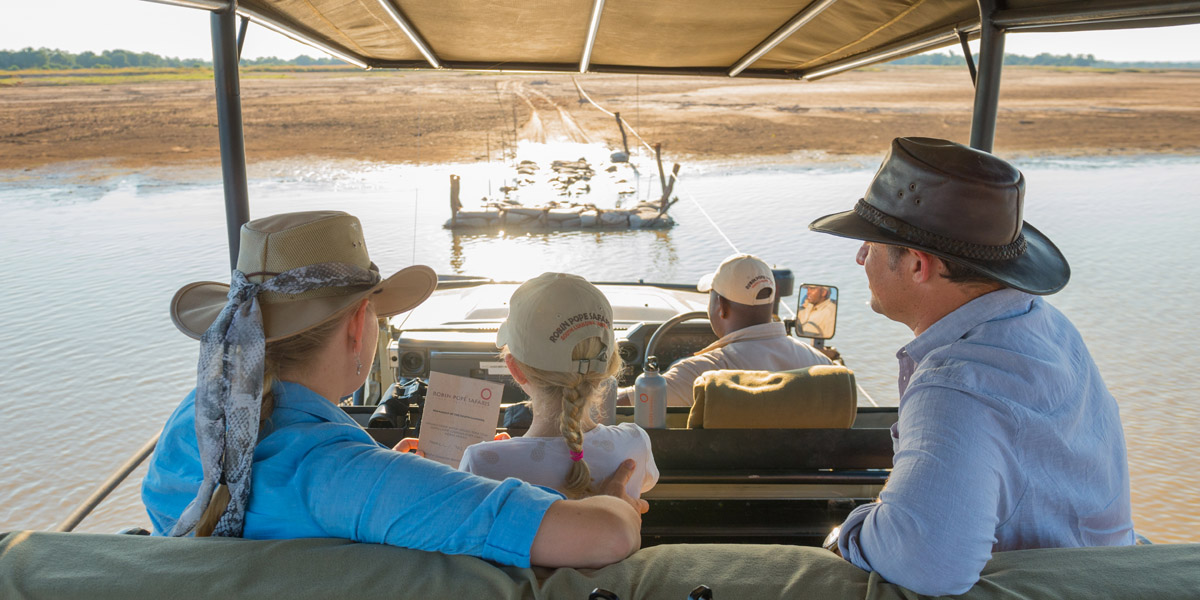
Explore Zambia on a family safari with Robin Pope Safaris
The dry season from July to October is ideal for family safaris because wildlife is easier to find, there are often fewer mosquitoes, and the timing aligns well with school holidays in June, July and August. January to March can also offer fantastic wildlife viewing in Kenya and Tanzania when conditions are dry. For parents planning a first safari, this can be one of the most practical and rewarding windows to travel.
Privacy and Exclusivity
Shoulder or off-peak seasons provide quieter camps, fewer vehicles on safari and a more personal experience. The trade-off is that the weather may be less predictable, visibility might be reduced and it may take more time to find wildlife. For some travellers, however, the added sense of privacy and exclusivity makes this the best safari season in Africa for their style of travel.
Birding Safaris
For birdwatching enthusiasts, November to April is prime time, with migratory birds in abundance across Southern and East Africa. This period can be especially rewarding for travellers who value diversity, colour and seasonal movement over classic Big 5 game viewing.
Photography Safaris
Photography safaris depend very much on what you want to capture. The dry season delivers wildlife drama with clear visibility (although August can be dusty!), while the green season provides dramatic landscapes, bright colours and opportunities to photograph newborn animals. By aligning your safari type with the right season, you maximise your chances of seeing the Big 5 and experiencing the wildlife spectacle Africa is renowned for.
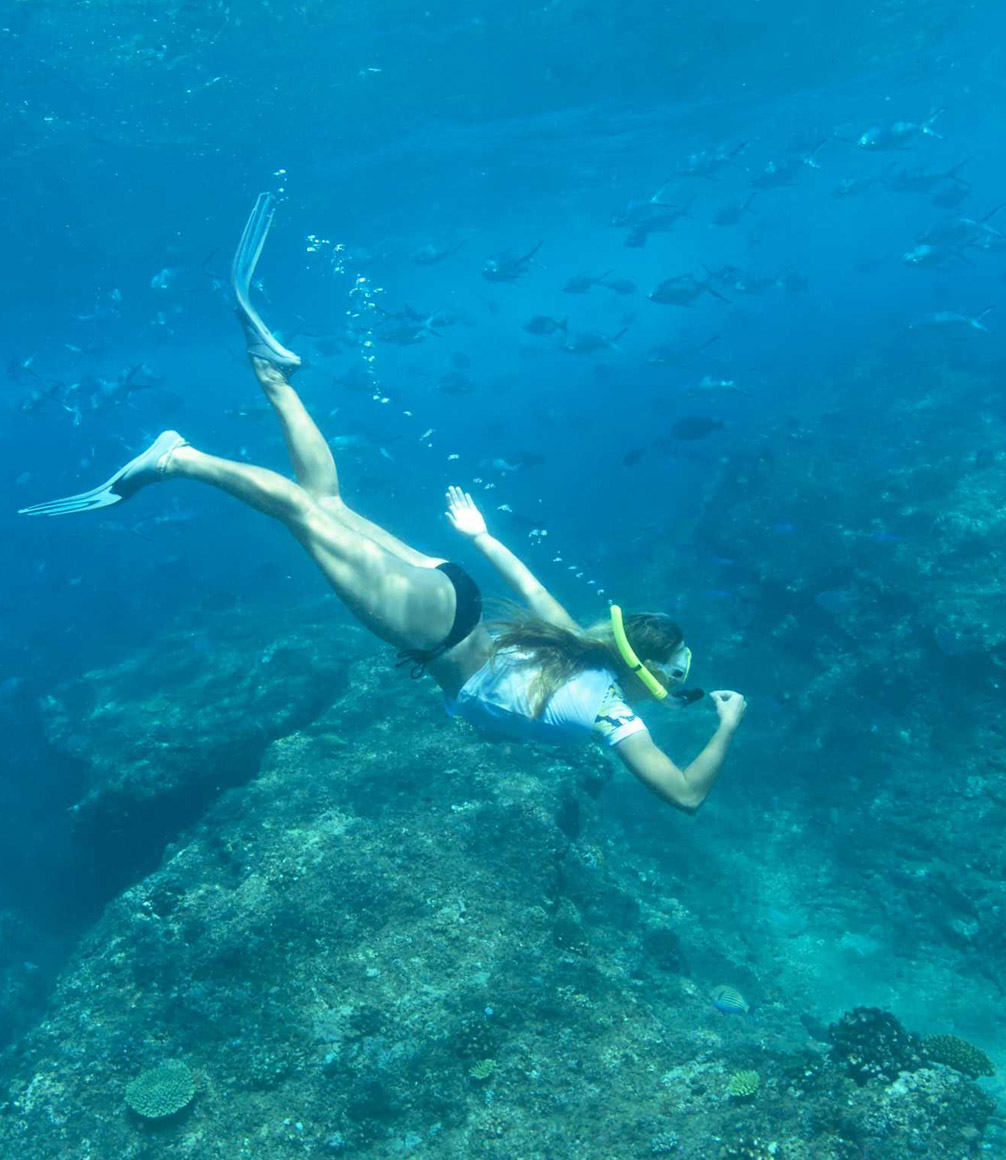
Take a marine safari on the Kenyan Coast at Peponi Hotel
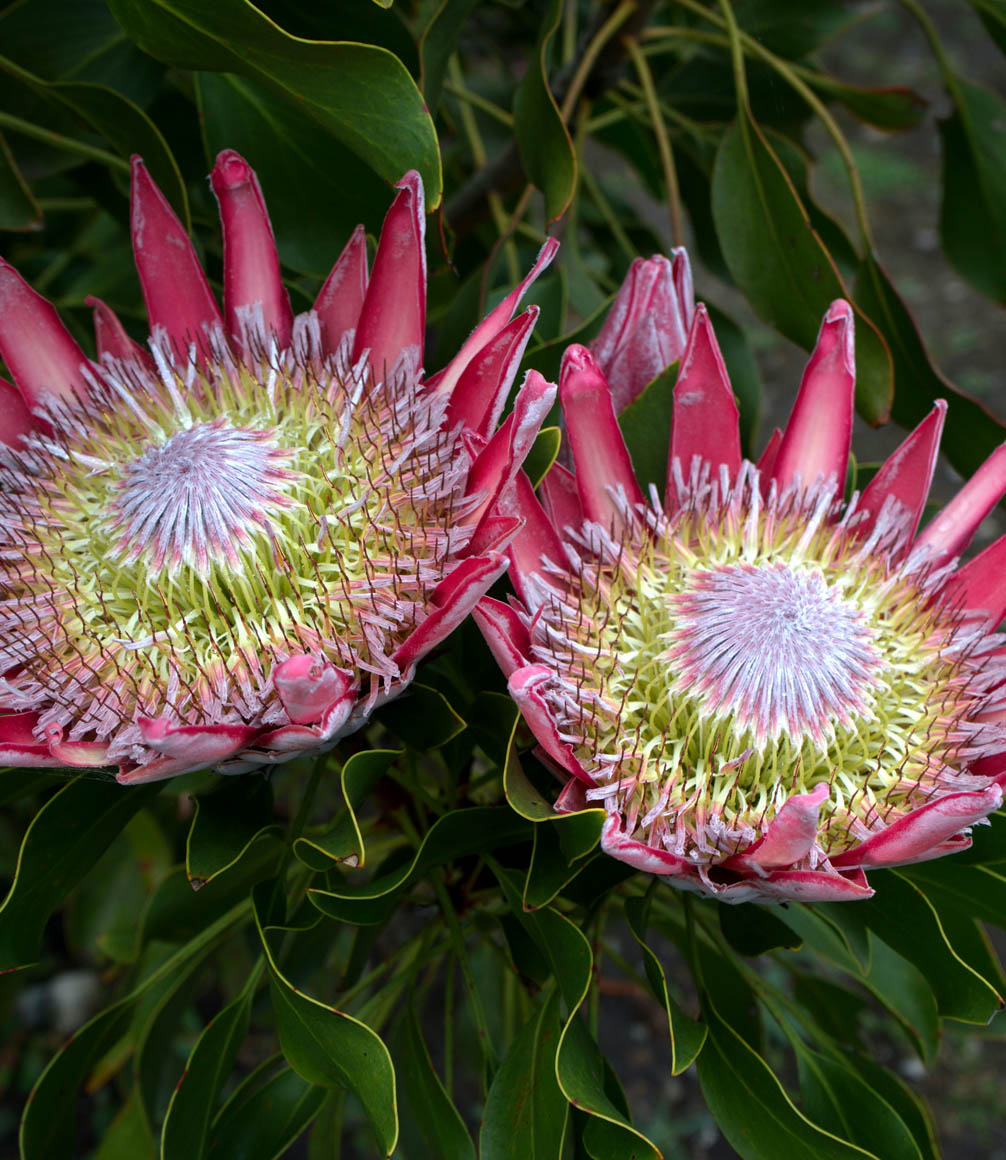
The wildflowers in South Africa bloom in spring (August to September)
Exceptional Wildlife Events: Timing Your Safari for Iconic Wildlife Moments
Certain wildlife events in Africa occur at very specific times, making them ideal for planning your safari to coincide with extraordinary natural spectacles. Observing these events can transform your trip from a standard game drive into a truly memorable experience.
- – Flamingoes in Makgadikgadi Pans, Botswana: November to April
- – Turtle nesting along South Africa coastlines: November to March
- – Marine safari on the Kenyan coast: November to March
- – Whale sharks off Mafia Island, Tanzania: October to March
- – Zebra migration in Kalahari Desert, Botswana: December to March
- – The Sardine Run, South Africa, off Kwa-Zulu Natal: June & July
- – Humpback whale migration, Madagascar and Sao Tome & Principe: July to September
- – Southern right whale migration and calving, Cape region, SA: June to January
- – Green turtle nesting, northwestern Madagascar: July and August
- – Fynbos and wildflowers in the Cape region: mid-August to late September
- – Migratory carmine bee-eaters, southern Africa, Zambezi River: September to October
- – Elephant migration in Tarangire, Tanzania: July to October
- – Kasanka Bat Migration, Zambia: late October to mid-December
- – Migratory birds in Malawi: November onwards
Planning your safari around these seasonal wildlife events ensures you experience iconic moments that few travellers get to see.
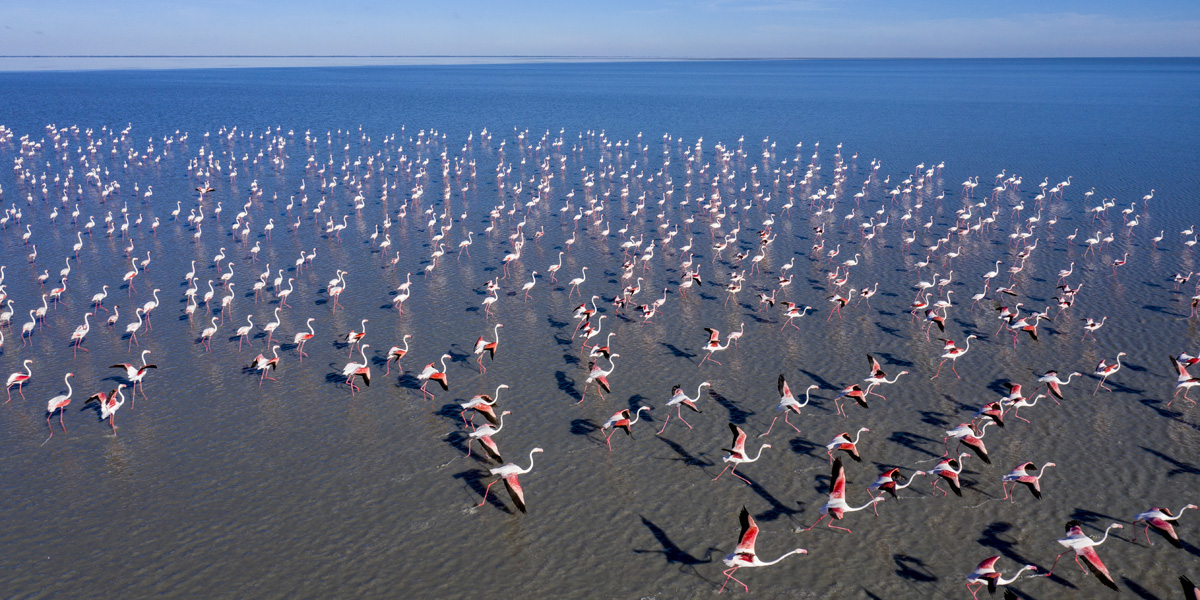
Flamingoes flock to the Makgadikgadi Pans from November through to April
Timing is one of the most important factors for any safari, whether it is your first or one of many. With our expert guidance, you can be in the right place at the right time to maximise sightings of the Big 5 and other extraordinary wildlife moments.
Ready to start planning your perfect African safari? Our experts are on hand to provide bespoke advice. Call us on: US (toll free) 1-855-216-5040 or UK +44 (0) 1367 850566 or submit an enquiry to speak with our experts and secure the best timing for your adventure.
Related articles