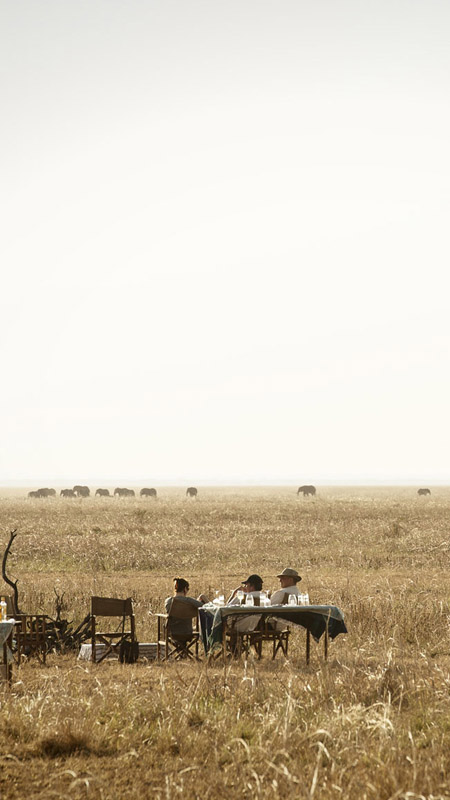
A Katavi safari in a nutshell
An ultra-exclusive fly-in wilderness expedition to one of East Africa’s most remote national parks, set in south-west Tanzania. Katavi delivers complete privacy, raw wildlife spectacle and the seamless ease of private aircraft charter, connecting discerning travellers directly to a wilderness that few ever reach.
Is Katavi for me?
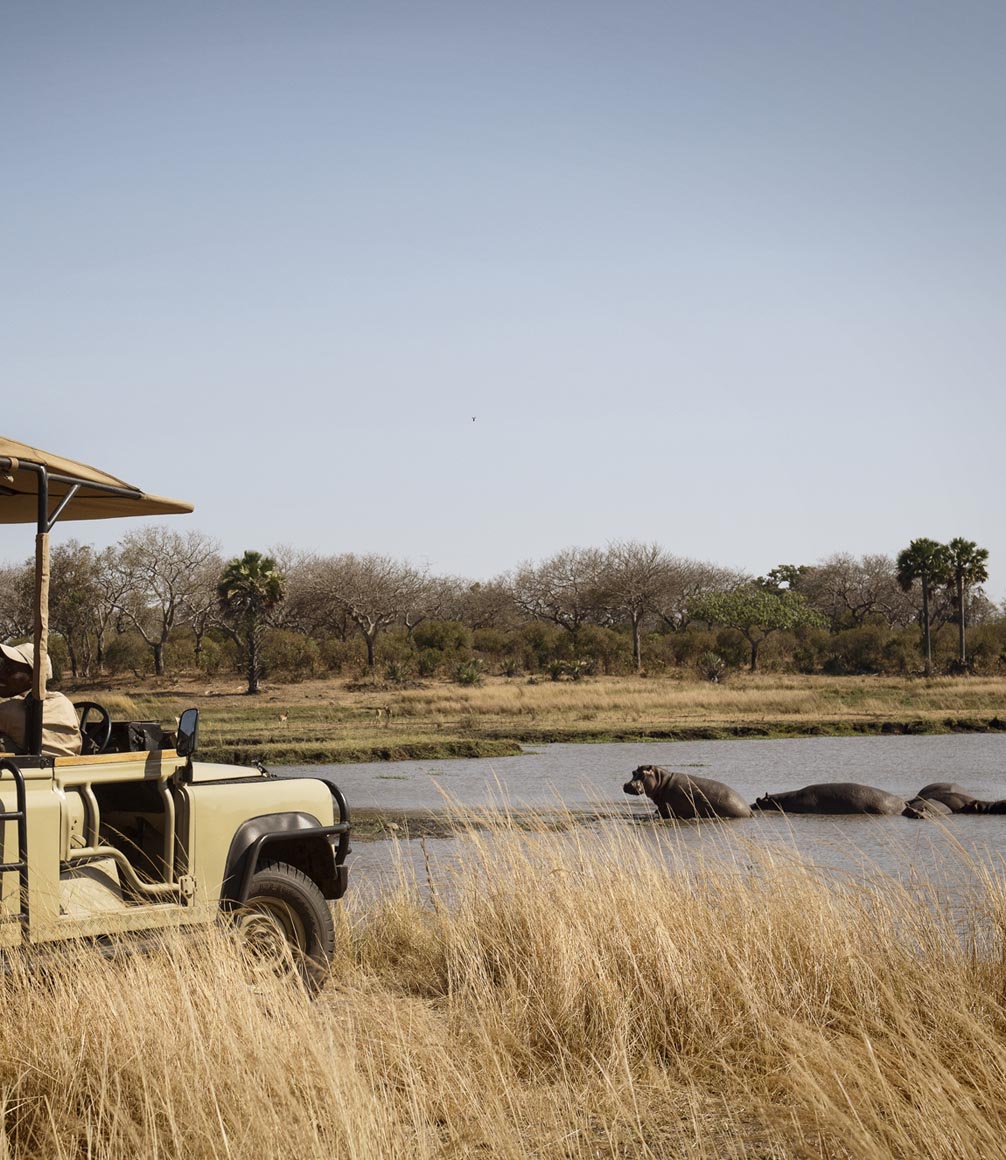
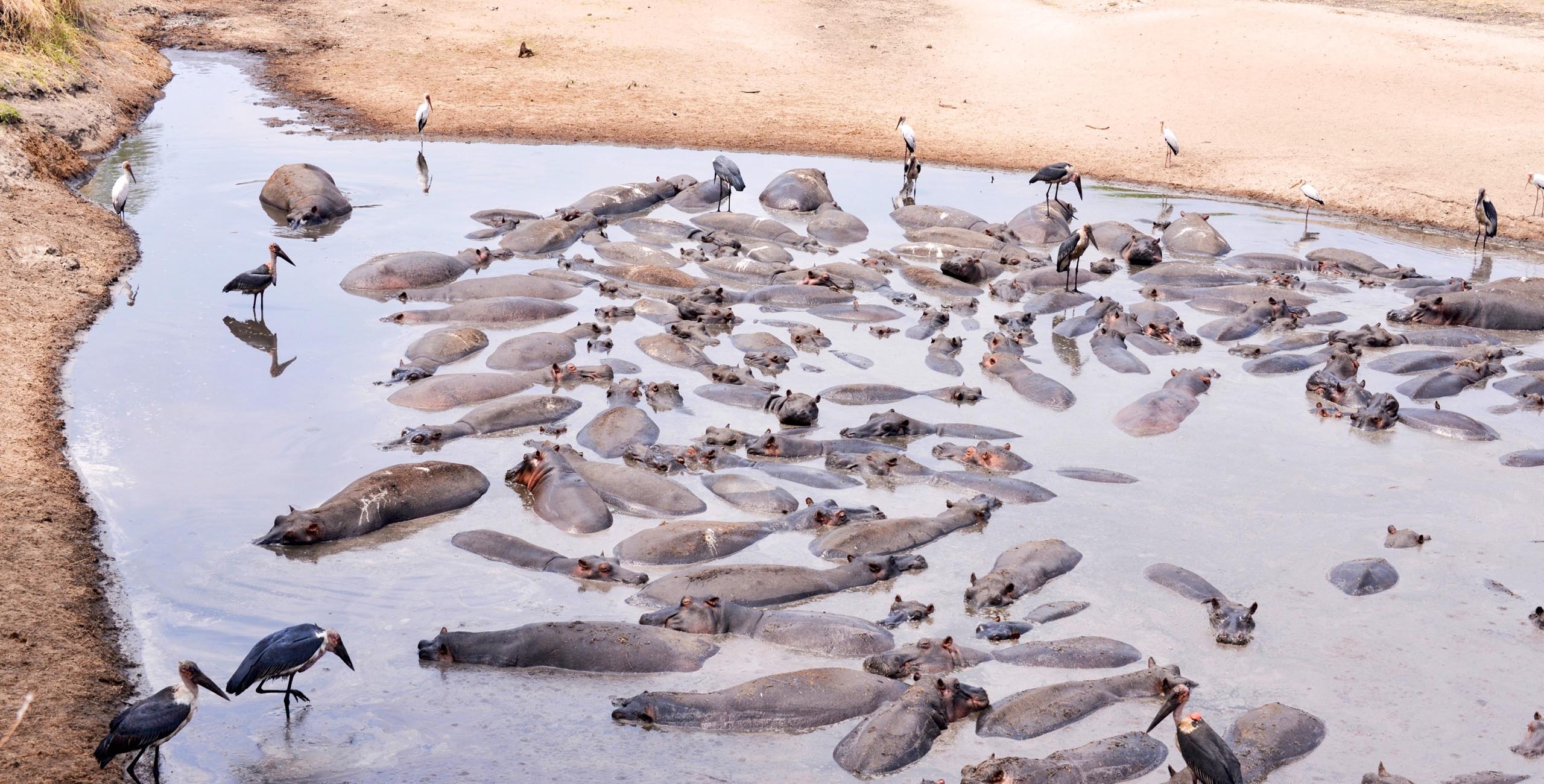
The park will appeal to safari purists, collectors of rare experiences and multi-generational families who want nature at its most elemental, with no compromise on comfort. Katavi offers complete seclusion from mainstream wildlife circuits, and the wildlife spectacles are jaw-dropping: hippo pods numbering in the hundreds and massive lion super-prides. Private door-to-door aviation keeps the journey as seamless as the destination is remote.
Give me the details: what you need to know about a safari to Katavi
Africa as it was
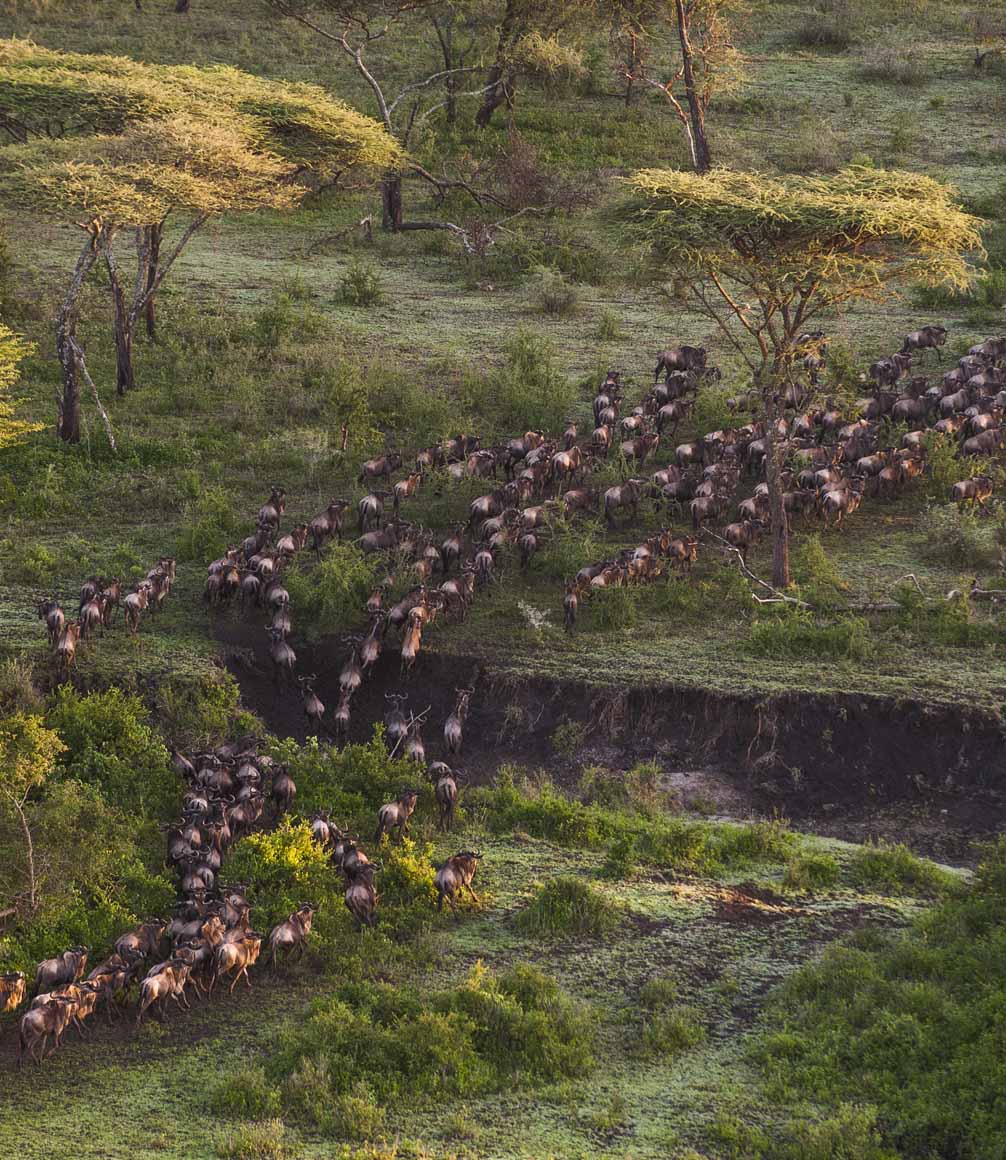
Katavi holds East Africa’s highest concentrations of hippo, crocodile and cape buffalo, yet sees fewer visitors in a year than the Serengeti receives in a single day. The great seasonal dramas play out on nature’s schedule, with no safari convoys, no crowds and no audience but you.
Stay at Chada Katavi Camp
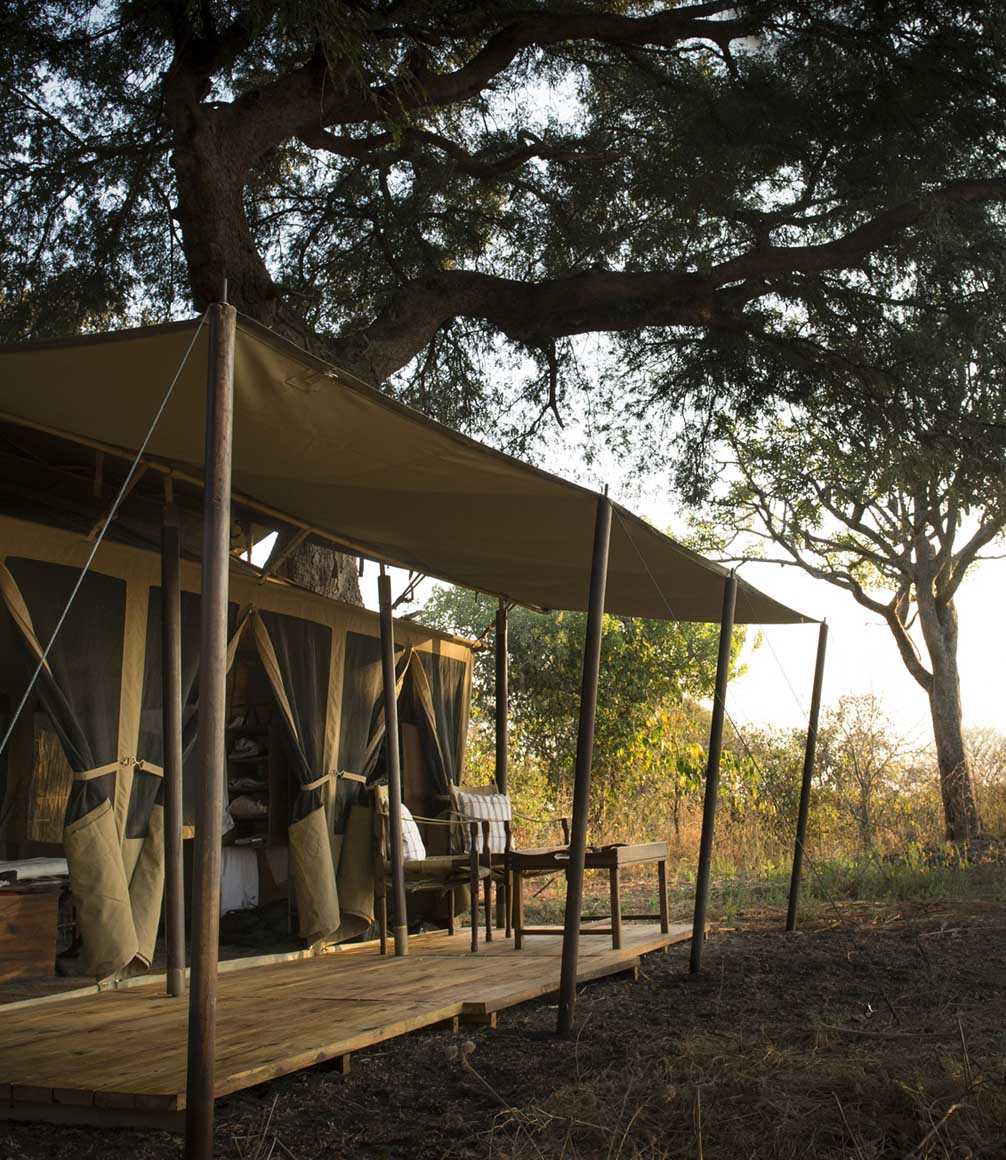
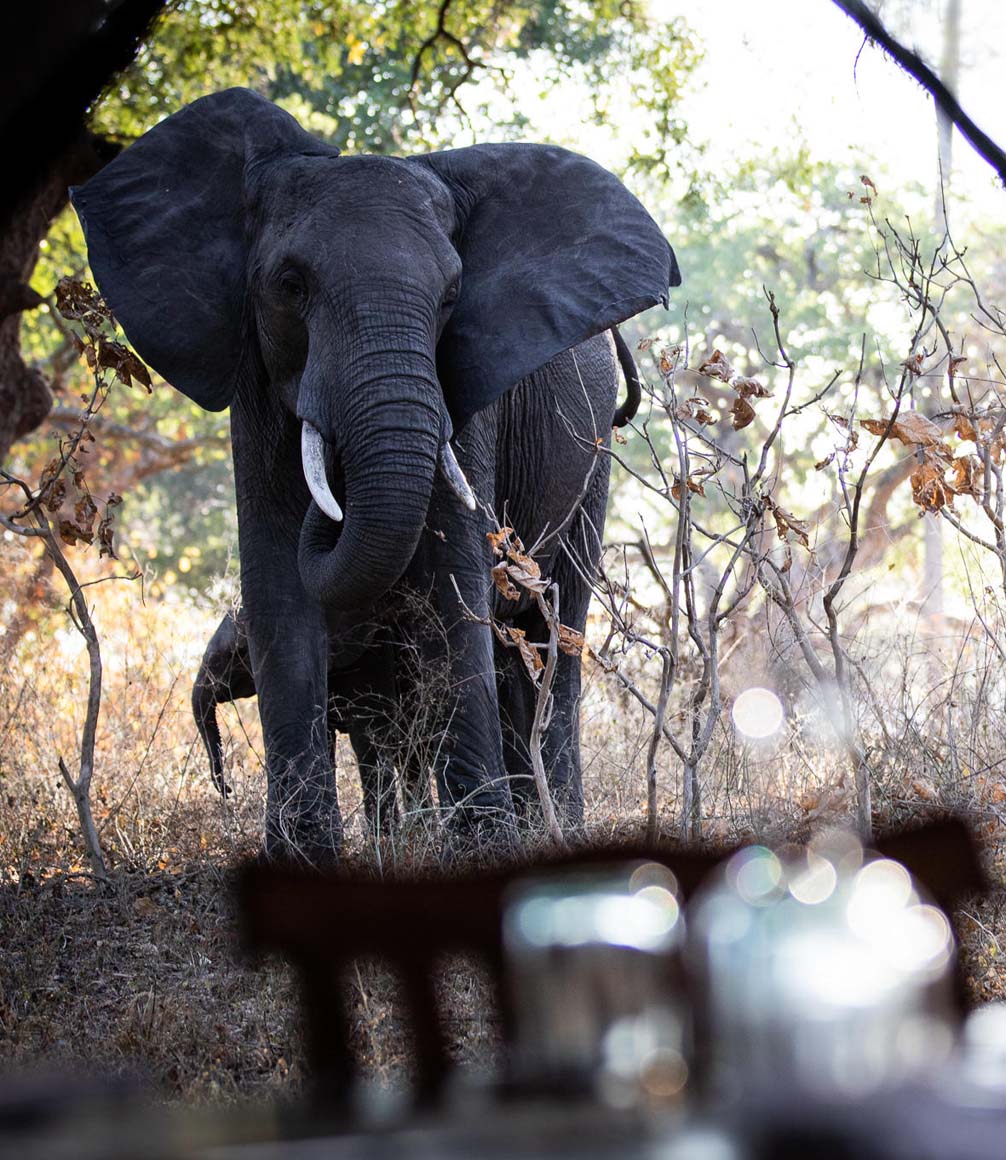
Your base camp for any visit to Katavi is Chada Katavi, Nomad Tanzania’s classic expeditionary camp. Set beneath tamarind trees at the heart of the park, its six spacious tents offer genuine comfort alongside old-world bush romance: silverware at dinner, hot showers and elephants at the perimeter.
Fly-camping
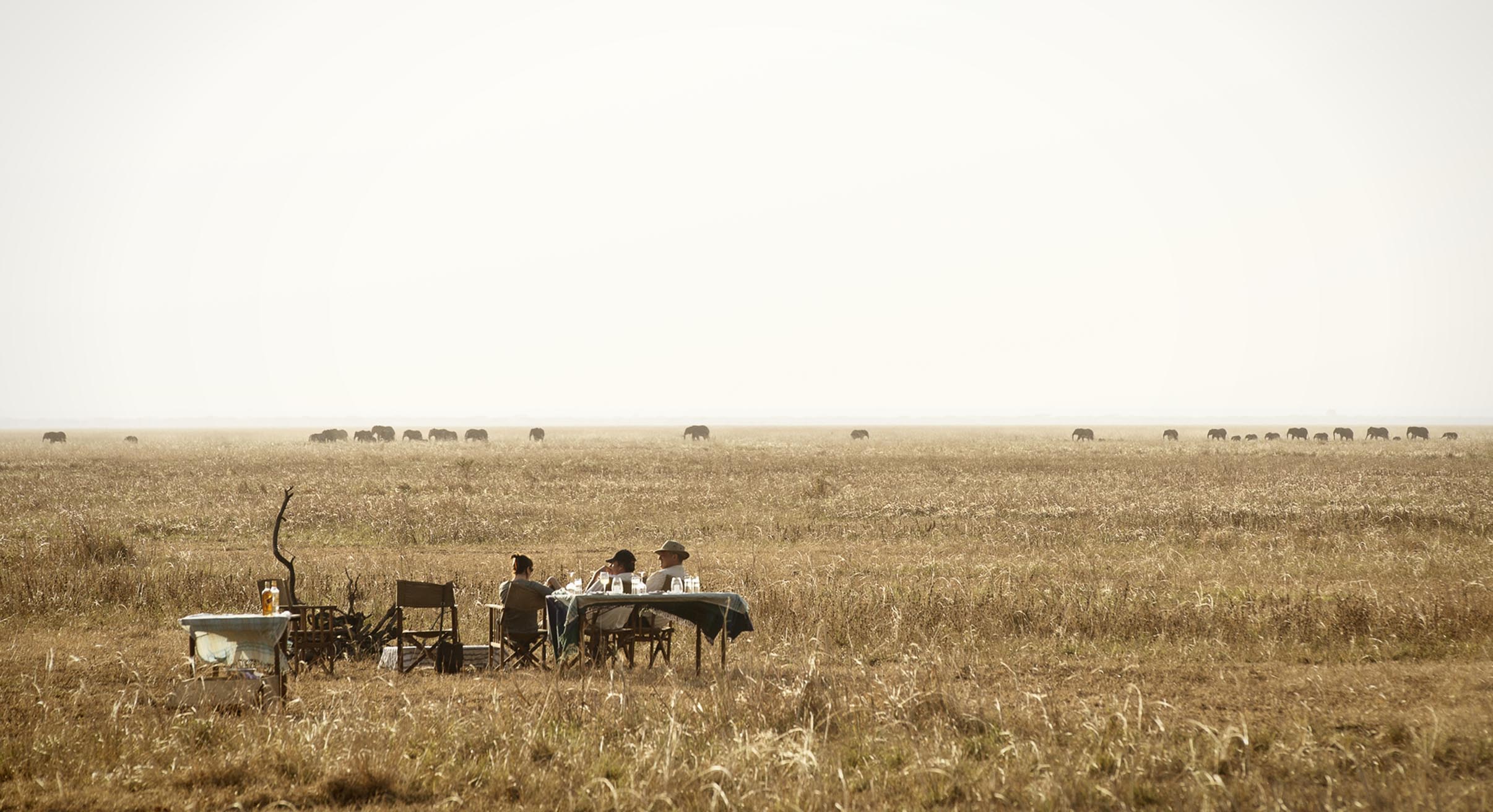
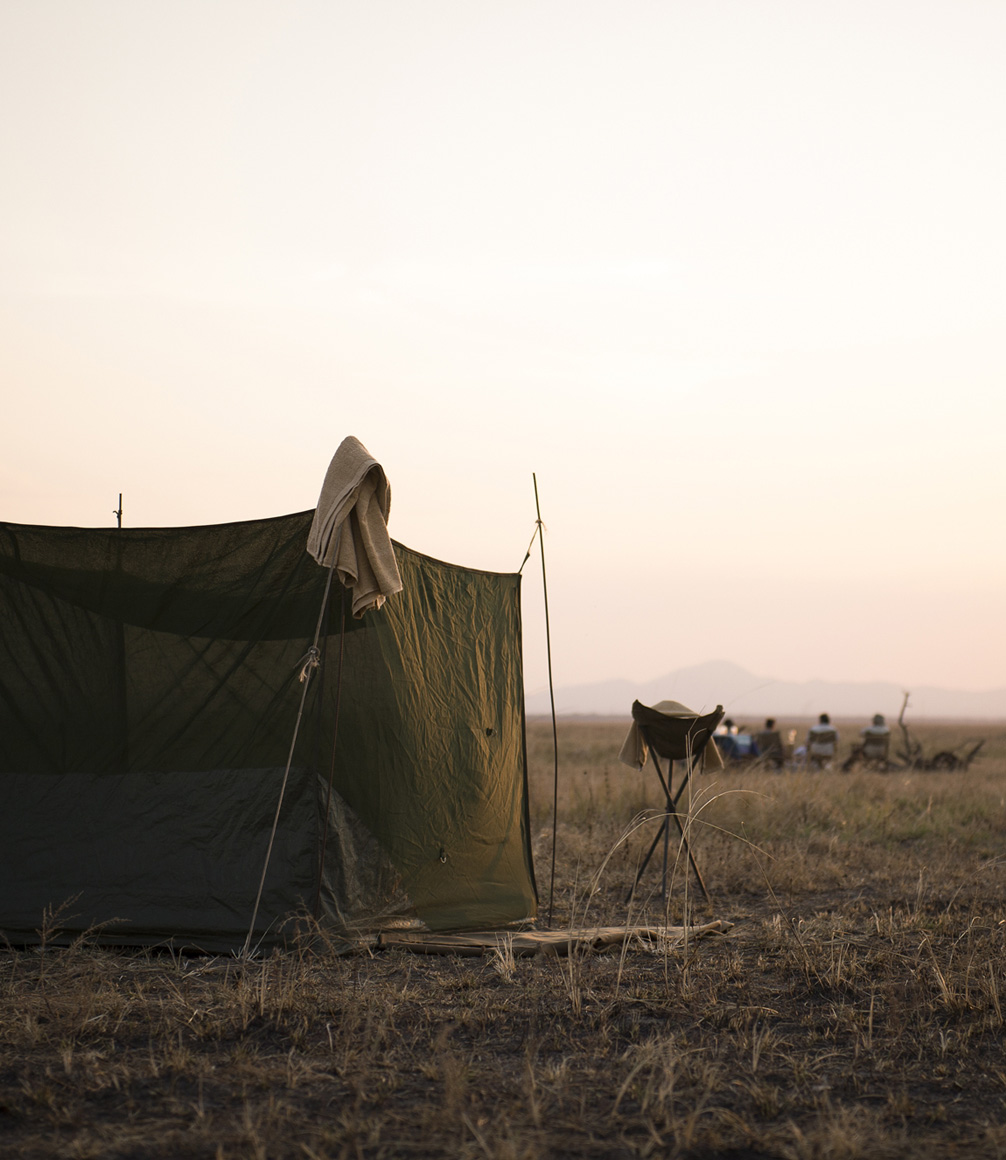
The dry season unlocks Katavi’s most extraordinary offering: a night spent under the stars in a private mobile fly-camp. Positioned deep in the wilderness, with no permanent structure and no other guests, the Milky Way stretches overhead and the only soundtrack is the bush after dark.
Expert guiding
Katavi’s guides are among Tanzania’s most proficient trackers, many of them armed wilderness specialists who can identify an animal by its tracks from a moving vehicle and anticipate behaviour before it unfolds. Their knowledge of individual animals, seasonal patterns and the park’s most remote reaches ensures that no two game drives cover the same ground.
How long will I need?
A minimum of four days and three nights is recommended to do Katavi justice. This allows time to settle into the rhythm of the wilderness, complete multiple game drives across different parts of the park, and spend one night in a fly-camp under a southern hemisphere sky.
When’s the best time to take a safari to Katavi National Park?
July to October is the prime window. As the dry season begins, water retreats to the Katuma River and thousands of animals follow, congregating in concentrations that rank among the most dramatic wildlife spectacles in East Africa. Fly-camping is only viable during these months when rainfall is absent, visibility is sharp and animal activity is at its peak.
Who else will benefit? Chada Camp’s positive impact
Guides at Chada contribute field data and photography to local research programmes, and actively engage surrounding communities with conservation education. Nomad’s ‘Watoto Go Wild’ initiative works with local children and families to nurture the next generation of conservation ambassadors, fostering genuine participation rather than passive awareness.
Where does Katavi fit into my wider Tanzania safari?
Katavi pairs seamlessly with Mahale Mountains National Park, its near neighbour to the north-east. A short private flight links the two, exchanging the open plains for the forested shores of Lake Tanganyika and world-class chimpanzee trekking at Greystoke Mahale, one of the great two-destination combinations in African travel. For tailored advice on how to build your own perfect safari, get in touch with our Tanzania specialists.