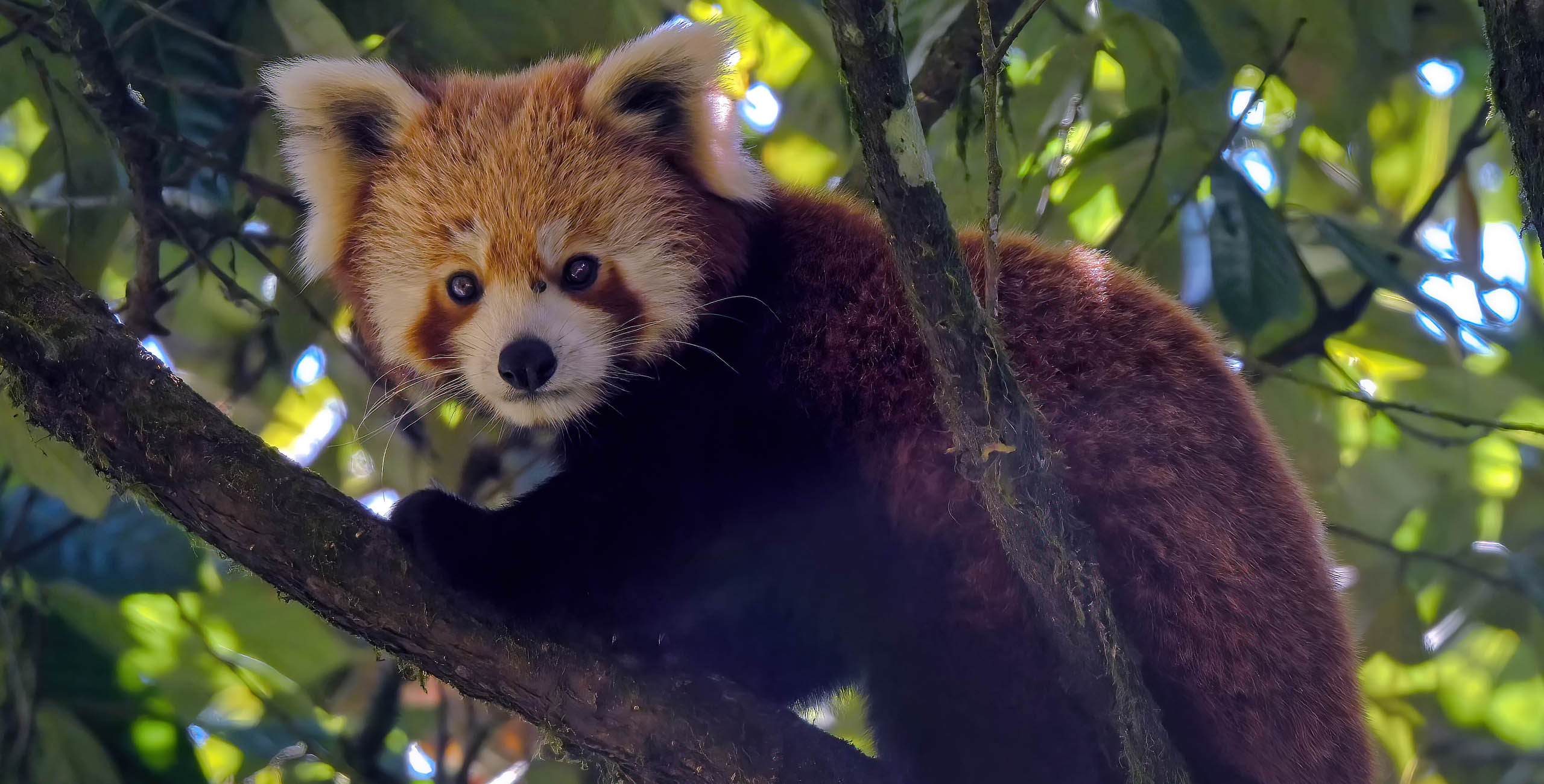
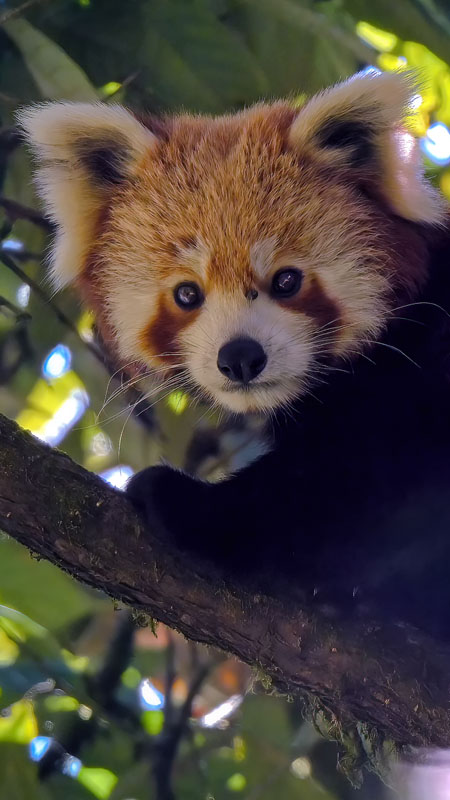
What is the red panda tracking experience in a nutshell?
Deep in the Eastern Himalaya, Red Panda Outpost offers a specialist wildlife adventure in the forests of the Singalila Ridge. Accompanied by expert naturalists and community trackers, venture beyond the familiar trails in search of elusive red pandas, exploring a little-visited part of the Himalaya.
Is it for me?
This experience is best suited to committed wildlife enthusiasts drawn to the challenge of exploring a lesser-known Himalayan wilderness. The search involves substantial walking on steep, uneven slopes, often without established trails. Good fitness, sure footing and comfort at altitude are essential, along with patience and a willingness to spend time searching. Sightings can never be guaranteed, but the forest offers plenty to discover along the way.
Give me the details
Guided by local knowledge
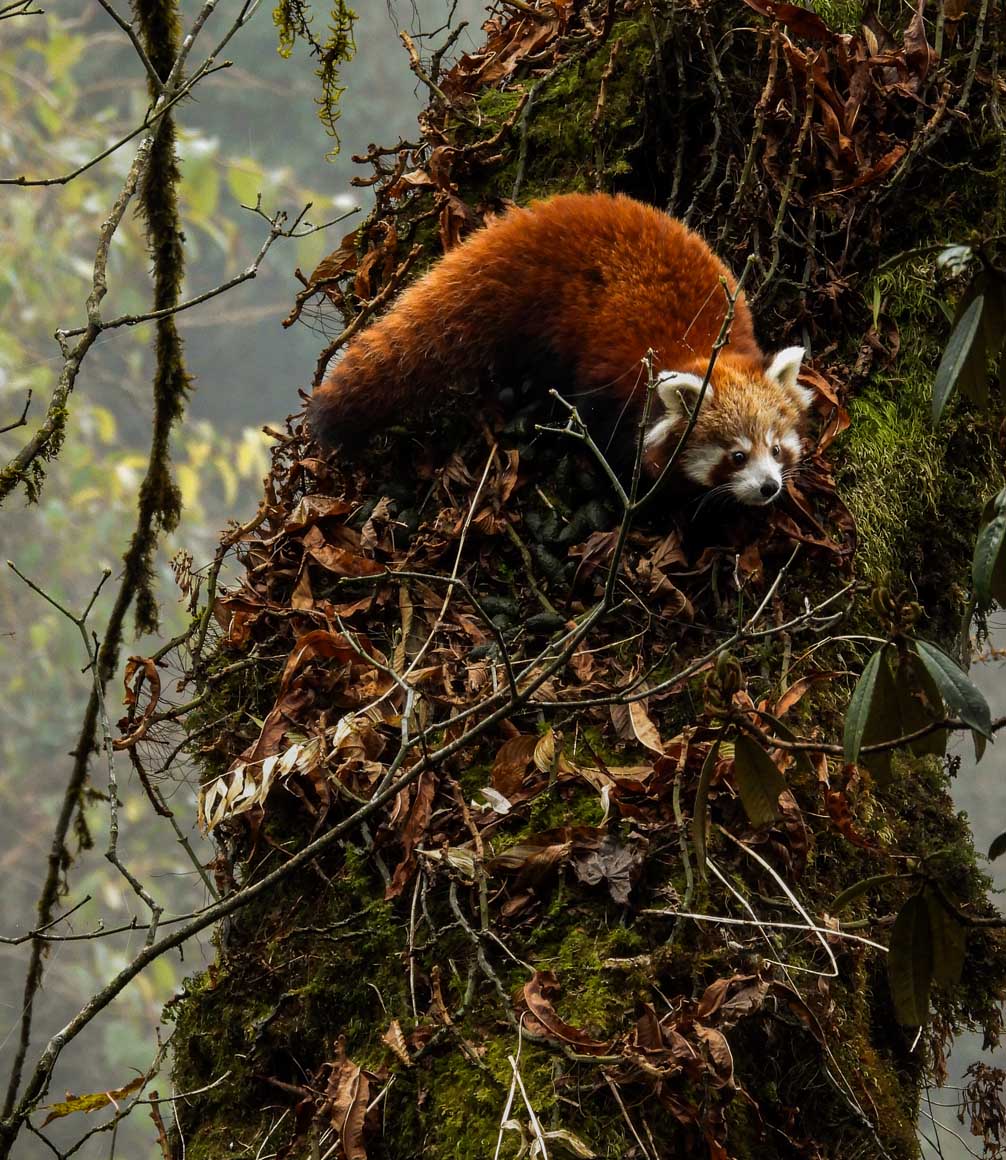
Before you set out, community trackers are already searching their own forest tracts, drawing on their familiarity with the terrain and its wildlife. Accompanied by your naturalist, follow reports as they come in and gain a deeper understanding of this mountain habitat. Once a red panda has been located, travel by 4×4 to the nearest roadhead before continuing on foot into the steep forest.
A quiet encounter in the wild
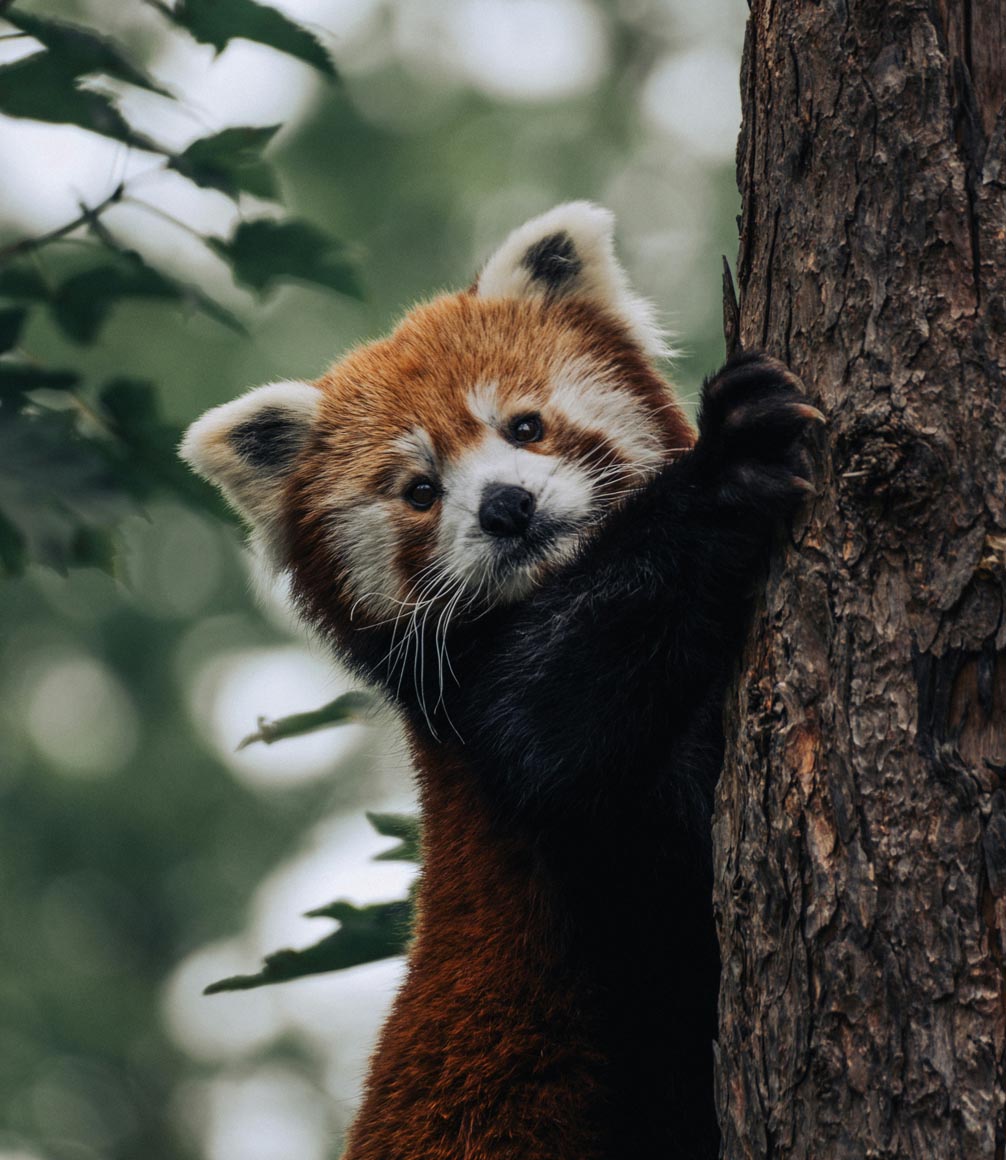
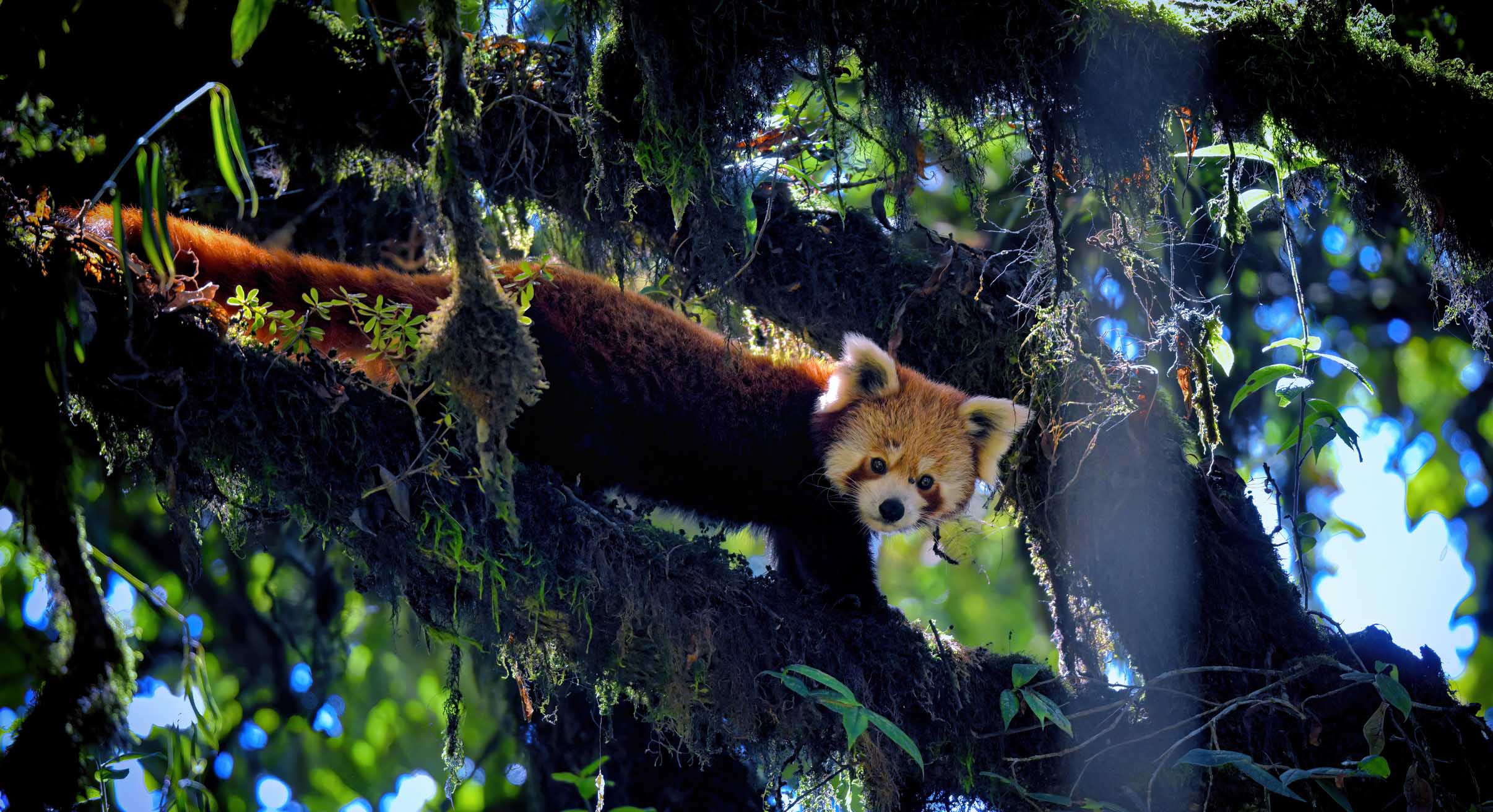
Spotting russet fur high in the canopy is the reward for careful tracking and a little patience. Your guides help you observe without crowding the animal, limiting encounters to around 25–30 minutes before leaving it in peace. Foliage may obscure the view, and subsequent searches focus on different pandas, allowing each encounter to unfold on nature’s terms.
Your Himalayan outpost
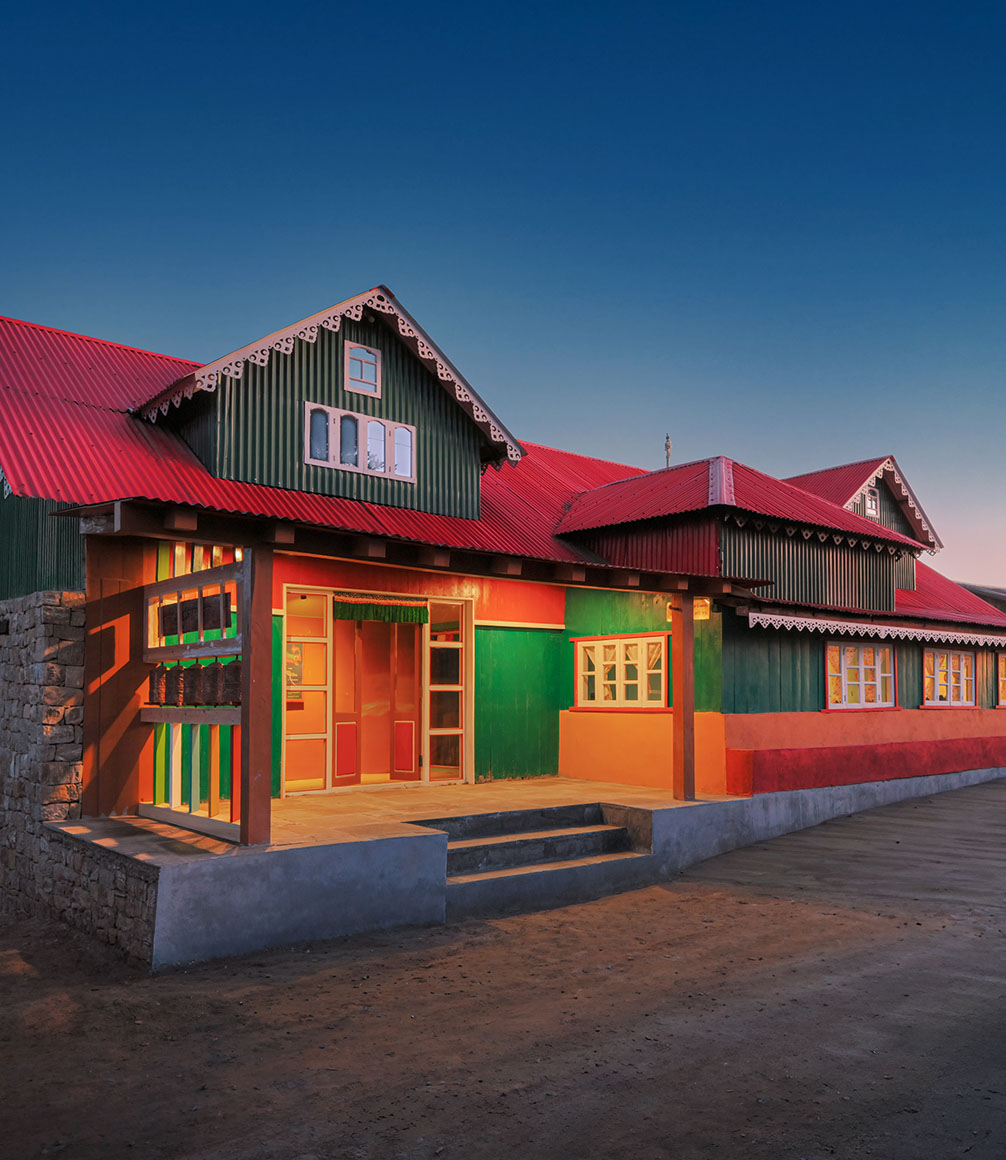
At around 2,800 metres in Jaubari, on the Nepalese side of the border with India, Red Panda Outpost provides a comfortable base for exploring the surrounding forests. This thoughtfully converted homestay combines heated rooms and private bathrooms with warm local hospitality. Gather around the bukhari stove each evening for freshly prepared mountain food and stories from the forest.
Discovering the wider wilderness
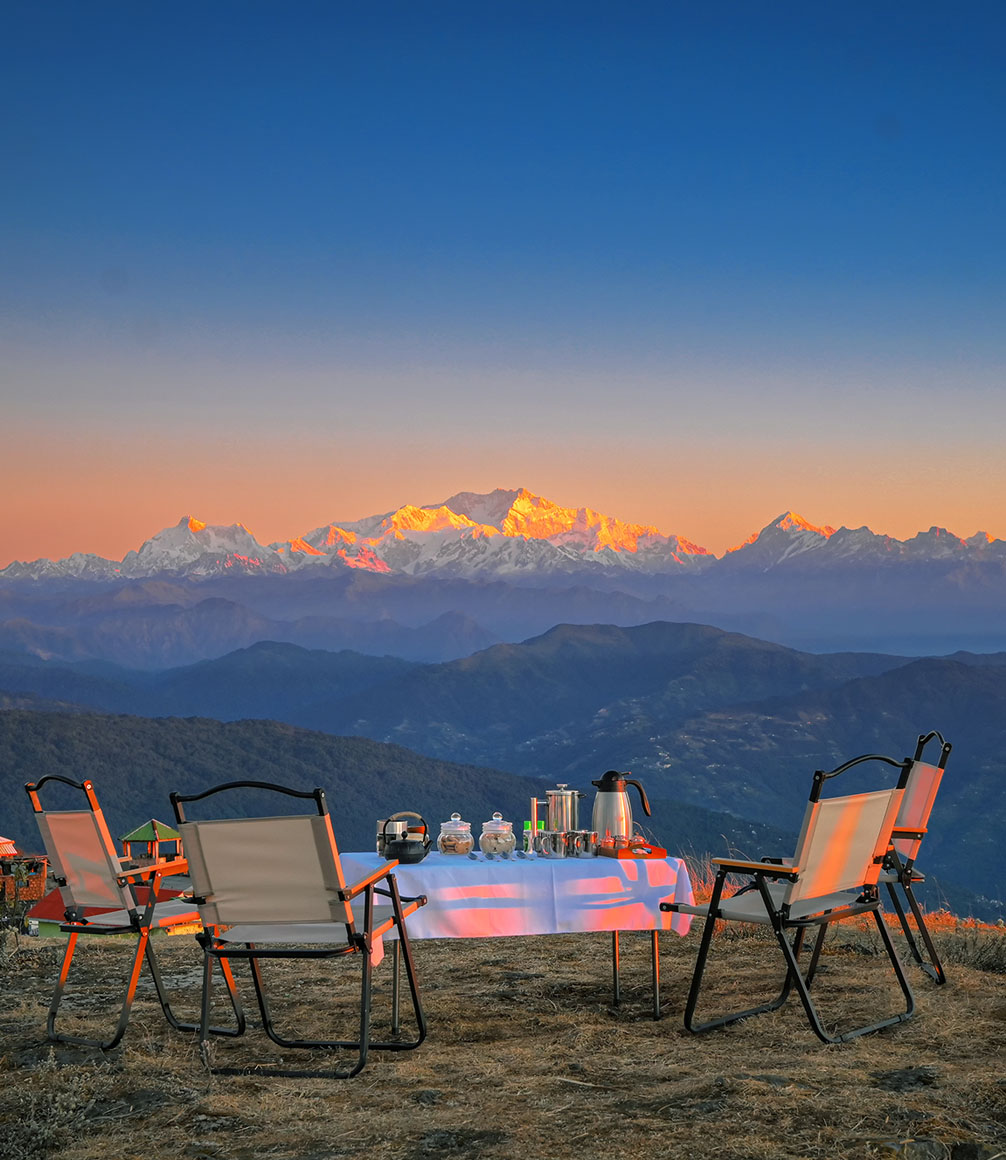
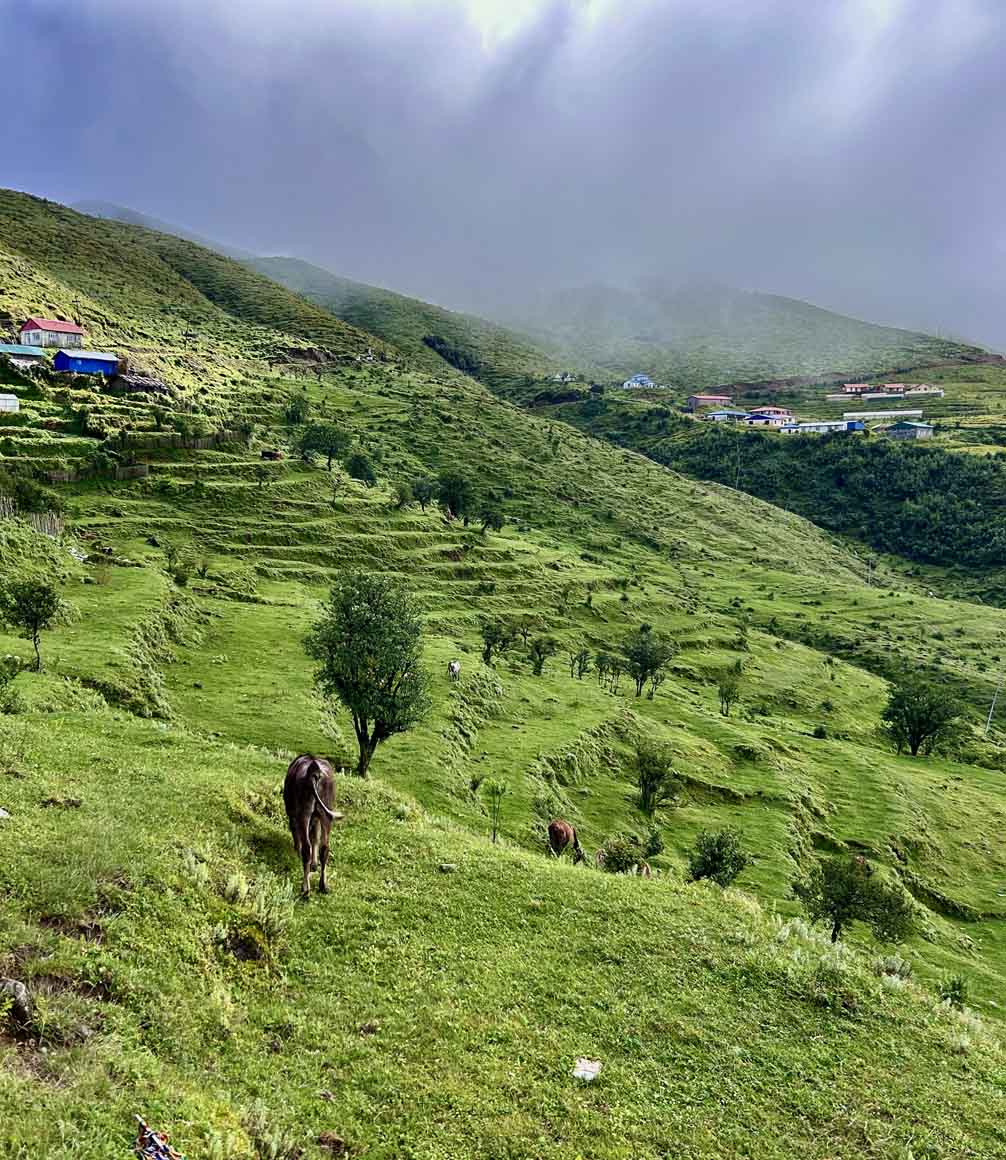
Between searches, your naturalist introduces you to the wider life of the forest, from laughing thrushes in the undergrowth to sunbirds among the flowers. Pause for a mountain picnic or spend time in Jaubari, getting to know the village beyond your lodge. When conditions allow, set out beneath the fading stars to watch dawn bathe Kanchenjunga’s snowbound summit in soft rose and gold.
How long will I need?
We suggest at least five nights at Red Panda Outpost, with longer stays allowing more time for tracking and exploring the surrounding forests. Additional days also provide flexibility for changing mountain weather and unexpected discoveries. Allow around four hours by road from Bhadrapur in Nepal, or five hours from Bagdogra in India via the border, followed by a rough final approach by 4×4.
When’s the best time to go?
March and April, followed by October and November, offer the most rewarding periods to visit. Spring brings rhododendron blossom and rich birdlife, while autumn often provides clearer views across the Himalayan ridges. Mornings can be cold, with mist and shifting weather all part of the mountain experience.
Who else will benefit?
The expertise at the heart of this experience belongs to the communities living alongside these forests. Local tracking teams work within their own forest tracts, while hosting, guiding and preparing meals provide further livelihoods. Your stay helps recognise the value of this local knowledge and supports the communities whose involvement is important to protecting red panda habitat.
Where does it fit into my wider travels?
Combine this mountain adventure with a tiger safari in India or Nepal, moving from the forests of the Himalaya to the jungles of the lowlands. In India, explore some of the country’s renowned tiger reserves, or head to Nepal’s Bardia or Chitwan National Parks. With access via Bagdogra in India or Bhadrapur in Nepal, Red Panda Outpost makes a natural addition to a wider wildlife journey.


