Many countries such as Kenya, South Africa or Tanzania are well-suited to first-time safari goers. These offer the big ‘bucket list’ experiences that you might wish to ‘tick off’ during your visit. Alternatively, there are plenty of others that are less well-known, a bit different and off-the-beaten-track, that are sure to provide extraordinary memories too.
How to choose the best destination for your first African safari
For a first African safari, the best destination is the one that matches how you want to travel: how much wildlife you hope to see, how much time you have, the style of camp or lodge you prefer, and whether you want a classic game-viewing experience or something more varied such as cultural interactions or seeing historical sites.
In general, first-time travellers usually most enjoy safari destinations with strong wildlife, experienced guiding and comfortable logistics, matched with a pace that feels exciting rather than demanding. Consideration should be given to the season, the types of landscapes and wildlife you most want to see, and whether you would rather focus on just traditional wildlife safaris, or combine with beaches, gorilla trekking or time in Cape Town. The right choice should feel accessible, rewarding and tailored to you, which is why expert advice matters so much when planning a first safari.
To help you in your planning, I’ve selected my favourite destinations that I recommend to first-time safari goers.
Ready to start planning your first luxury African safari?
"Chobe National Park in Botswana is close to my heart - I lived here for 15 years and it’s the only place where I have been able to sit on the banks of the river in the dry season and see a thousand elephants stretched out along the river."
Our expert-picks of the best first-time safari destinations
1. Masai Mara Game Reserve, Kenya – for families
Choose this if: you want a classic first safari with exceptional wildlife, family-friendly camps and the flexibility of private conservancies.
The famed Masai Mara is the safari region that immediately springs to mind when embarking on a safari to Africa for the first time – and for good reason. A safari to the Mara allows for simply astounding wildlife spotting. Not only is it home to the Great Migration during the months of July through to the end of September, but the Mara also has resident wildlife all year round including the ‘Big 5’.
Although spending time in the Masai Mara National Reserve is certainly worthwhile, there is in addition more than double the area surrounding it that is dedicated to conservation and private conservancies. These are wonderful safari spots for families who want to hire a private villa or experience a fixed or mobile-tented option for incredible adventures. One of my favourite spots is Cottar’s Private Bush Villa, a private home for up to 12 guests with a breathtaking view of the savannah plains and its own private 25-metre swimming pool. From here you can go on bush walks and enjoy privately guided wildlife drives during the day and at night.
2. The Serengeti, Tanzania – for the Great Migration
Choose this if: you want to witness the Great Migration and enjoy one of Africa’s most iconic safari landscapes.
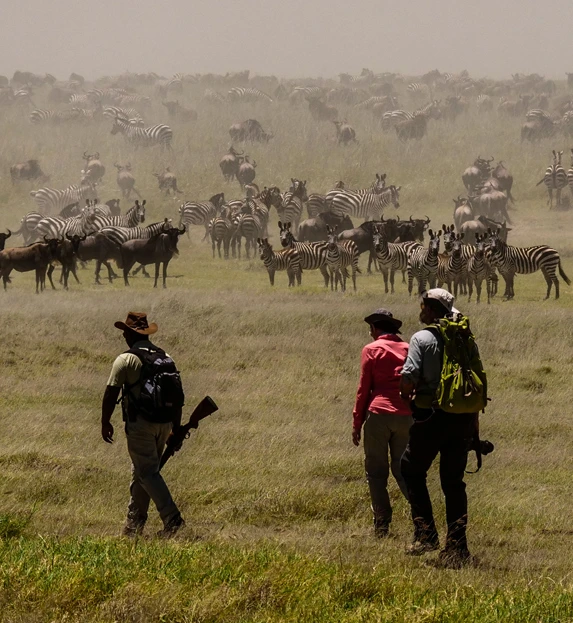
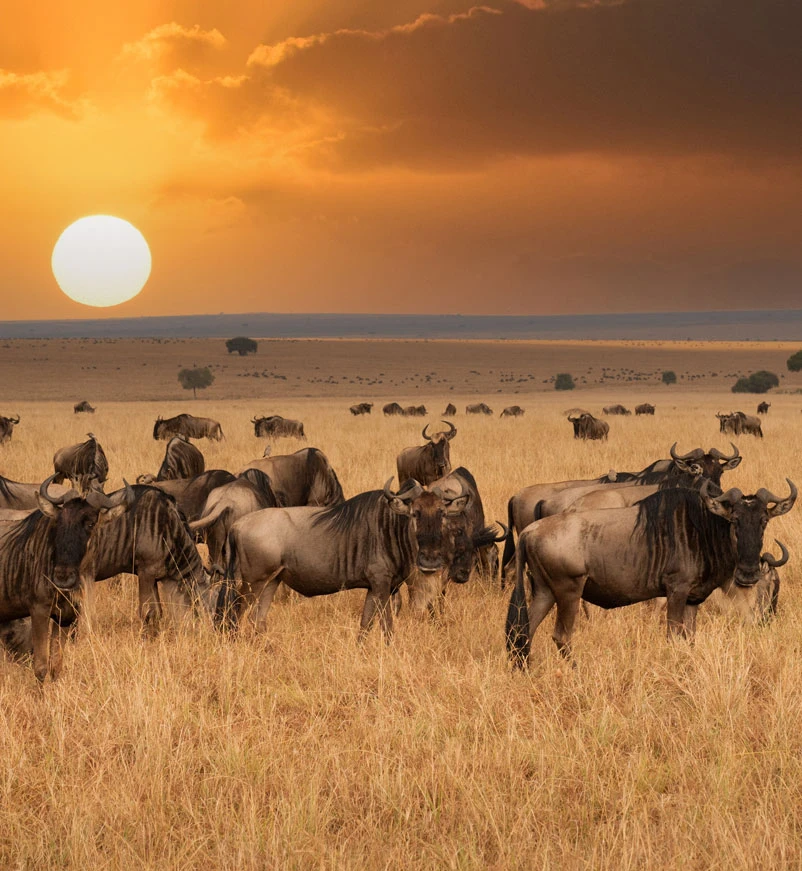
Just across the border from the Masai Mara lies the legendary Serengeti National Park and together they form the Serengeti-Mara ecosystem. It is here where you might catch sight of the Great Migration, as two million wildebeest, zebra and antelope travel through Serengeti from the Mara and back again in an endless cyclical journey. The Serengeti and its abutting conservancies offer a chance to glimpse an abundance of wildlife, from cheetah to hyena, leopard, lion and giraffe.
One of my favourite places to stay, Mkombe’s House, is an ideal base to witness the river crossings that take place between July and October, when the wildebeest plunge into the waters of the Mara River, often into the jaws of waiting crocodiles. However, the proximity of water here means that resident wildlife is plentiful year-round. Perfect for young families, Mkombe offers a unique private wildlife experience with highly trained resident guides and schedules to suit your family routine.
3. Laikipia, Kenya – for an insight into conservation
Choose this if: you want your first safari to include meaningful conservation insight, excellent guiding and a more varied, behind-the-scenes experience.
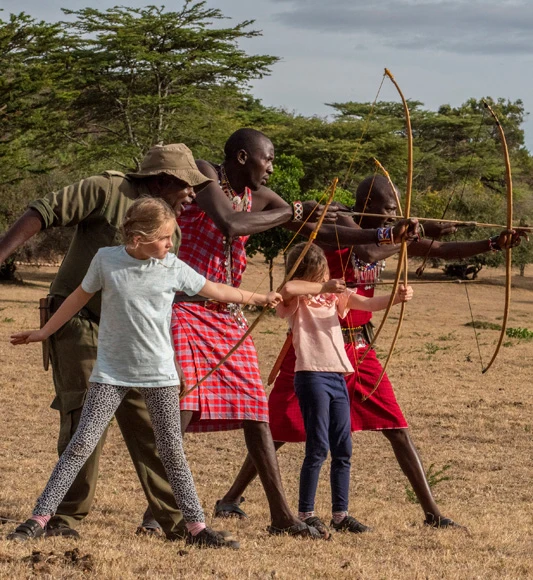
In the rolling hills of Laikipia, lie Lewa and Borana Wildlife Conservancies. The conservancies are committed to conservation and offer innovative wildlife protection programmes. There’s a world of opportunities at Lewa and Borana, including spotting rhino from the back of a horse to spending time with the Maasai who guide you across the plains, teaching you about their deep connection with the land and how they have lived off it for generations. You can also go behind the scenes and learn about the educational opportunities Lewa provides to local children or observe a demonstration of scent tracking with dogs designed to stop poaching.
Laikipia has a range of accommodation to suit all tastes and budgets, from the romantic Elewana Lewa Safari Camp – a traditional safari lodge with a few guest rooms – to exclusive use family houses and villas such as Lengishu, Sirai House or Laragai House.
4. Akagera National Park, Rwanda – for pure variety
Choose this if: you want a varied first safari with lakes, savannah, woodland and the chance to see a remarkable range of wildlife in one trip.
If you are interested in seeing primates as part of your safari, Akagera National Park in eastern Rwanda is well worth a visit. Once decimated by poachers and nearly lost forever due to human encroachment, the park has been under the guardianship of African Parks since 2010 and its fortunes have changed.
With the support of the Rwanda Development Board and Howard G Buffett Foundation, Akagera has transformed into a wonderful destination teeming with wildlife – including the ‘Big 5’. Ranging from lakes and savannah to riverine forests, woodlands and grasslands plains, and the subsequent diversity of animals is ideal for first-time safari goers with so much to see in just one place.
5. Lower Zambezi National Park, Zambia – for walking safaris
Choose this if: you want an adventurous first safari with walking, canoeing, river safaris and beautiful scenery.
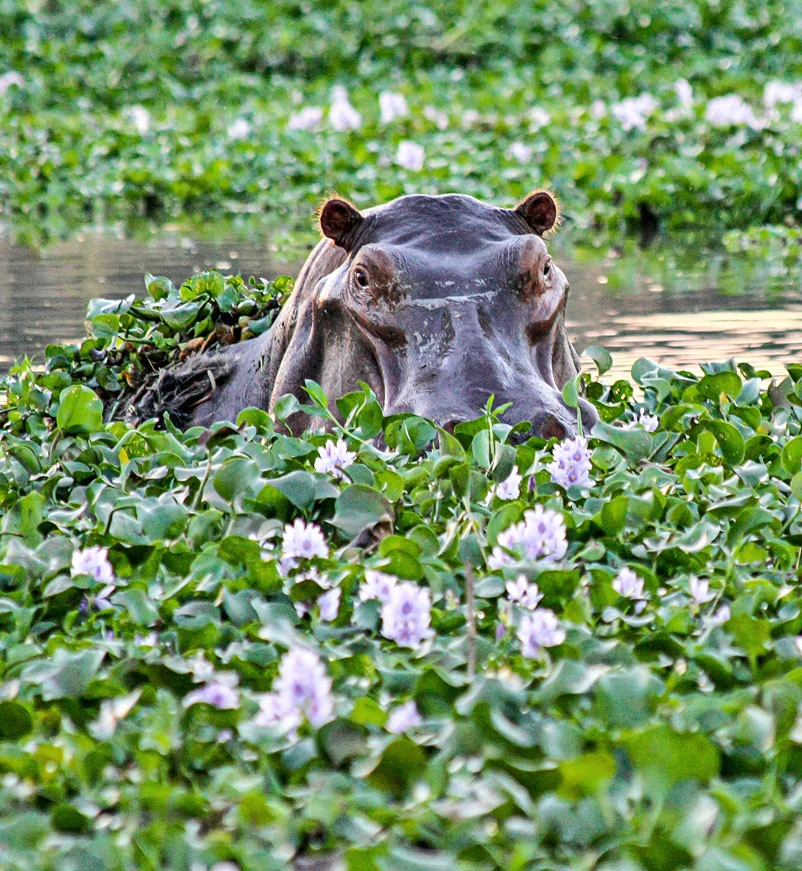
One of the best countries for a safari, Zambia has several National Parks and Reserves that are worth visiting. I would recommend combining at least two of them, but I am especially fond of the Lower Zambezi National Park. Sandwiched between the Zambezi Escarpment and the magnificent Zambezi River, the park is filled with colour, from the purple-hued escarpment to the glittering blue waters of Zambezi and the pastel shades of the albida forest. The rivers are full of crocodile and hippo which make for interesting wildlife watching too.
The Lower Zambezi is perfect for walking safaris, either short walks each day from your camp or embarking on a longer five to six-day walk through the park with a private guide, sleeping in a mobile camp set up especially for you in different locations as you travel. There’s wonderful birdlife as well as the chance to spot dazzling Burchell’s zebra (Grant’s zebra).
For a fixed base, I recommend the wonderful Chongwe House. Set on a peaceful stretch of the Chongwe River, you can enjoy an impressive array of activities during your stay at this luxury lodge including wildlife drives, walking safaris, boat cruises, canoe safaris and tiger-fishing.
6. South Luangwa National Park, Zambia – for leopard sightings
Choose this if: you want outstanding guiding, superb walking safaris and some of the best leopard sightings in Africa.
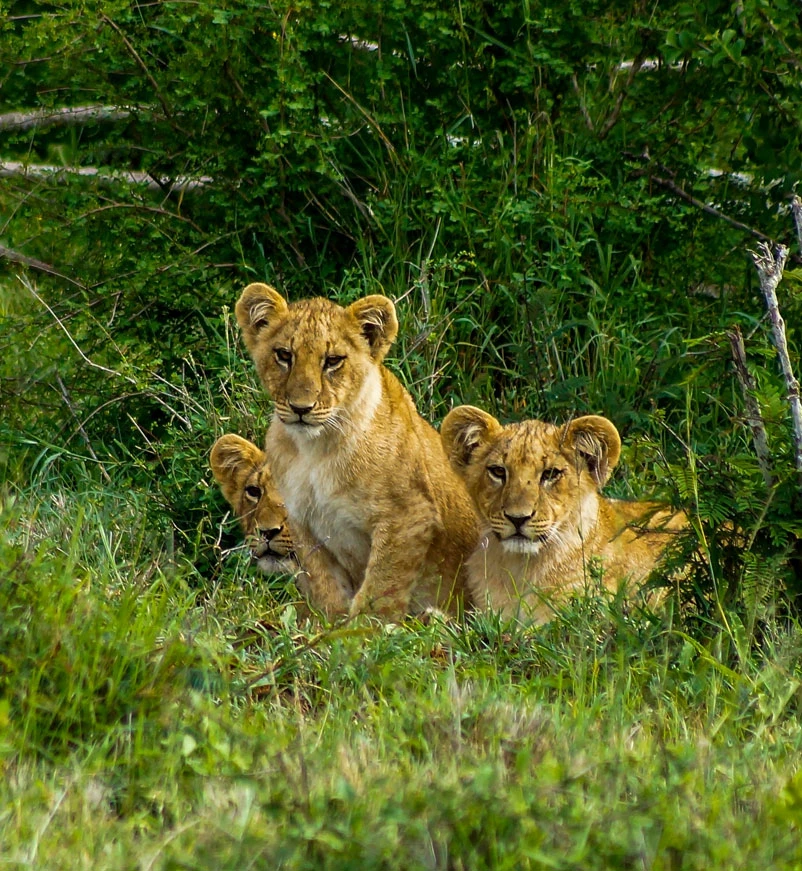
Team the Lower Zambezi National Park with the most well-known Zambian Park, the South Luangwa, for an adventure to remember. Walking safaris are the order of the day here and the guides are some of the most dedicated and knowledgeable in Africa. The park is known for its great leopard sightings – I once saw 12 different leopards in a five-day visit!
To avoid the crowds, I would recommend hiring a private safari house. Set on the banks of the Luangwa River, Robin’s House has two private en-suite bedrooms, a spacious sitting and dining area and its own plunge pool. This is the perfect spot to relax and watch as the wildlife comes to drink and bathe in the river. Another favourite exclusive-use house is Luangwa Safari House, a four-bedroom house built on private land near Nkwali with views of the Chindeni Hills. The house sits on the edge of a lagoon system frequented by large herds of elephant, impala, giraffe and countless other species.
7. Chobe National Park, Botswana – for river-based safaris
Choose this if: you want a first safari shaped by river-based wildlife viewing, enormous elephant herds and spectacular sunsets.
Chobe National Park in Botswana is close to my heart – I lived here for 15 years and it’s the only place where I have been able to sit on the banks of the river in the dry season and see a thousand elephants stretched out along the river.
You’ll find plenty of other wildlife here too, but what makes Chobe so special is the combined land and river-based game drives. To me there is nothing as spectacular as an afternoon drift along the river, watching wildlife coming down to drink at sunset.
8. Hwange National Park, Zimbabwe – for elephant enthusiasts
Choose this if: you want intimate wildlife viewing and unforgettable encounters with elephants around the park’s waterholes.
Zimbabwe’s Hwange National Park is the first National Park that I lived in. Currently home to 45,000 elephants, I would almost guarantee a sighting of the world’s largest land mammal. On my last safari to Hwange, I spent a glorious afternoon in a hide which gave me a ground-level, close-up view of the watering hole with several herds of elephant coming to drink and mill around just feet from where I was sitting.
This is the perfect place to take time out and let the wildlife come to you. There is always something happening around waterholes and I enjoy watching the flocks of sandgrouse coming down to drink and wet their feathers. You will also see crocodiles lying in wait in the shallows, kudu daintily tip-toeing to the water’s edge and elephants arriving, swotting thirsty buffalo away so that they can spray themselves with a cooling shower of water on a hot afternoon.
9. Eastern Cape, South Africa – for the best of both worlds
Choose this if: you want an easy first safari that combines wildlife, coast, family-friendly activities and broader South African experiences.
South Africa has something for everyone, whether you’re on your honeymoon, seeking child-friendly adventures on a family safari, or just searching for rest and relaxation in a luxurious villa. The best of both worlds, South Africa’s Eastern Cape has a wide variety of private reserves and national parks, where you can go on safari in the morning and lie on a beach lapped by the Indian Ocean in the afternoon.
If you’re time-poor, you are likely to see a host of animals in just one or two game drives. Beyond the wildlife, there are gentile boutique hotels with opportunities to learn about the local culture, visit excellent restaurants and enjoy some walking and fishing too. There is so much to see and do for young families too and all visitors will be kept busy from dawn til’ dusk.
10. Sabi Sands, South Africa – for the ‘Big 5’
Choose this if: you want easy logistics, exceptional luxury and some of Africa’s best Big Five sightings.
Another perfect destination for first-time safari adventurers, Sabi Sands is well-known as a place where you’re almost guaranteed to see the ‘Big 5’ in one day. Made of up multiple private reserves that surround the Kruger National Park, Sabi Sands is a conservation success story. The passion the owners have for preserving the land and its fauna and flora for generations to come, whilst also supporting local communities, makes it an important safari destination.
Here you’ll find luxury lodges aplenty, and combined with the incredible experiences and activities on offer, you will leave with breathtaking memories of your first safari. Set within 45,000 acres of private reserve, Singita Castleton is a favourite lodge of mine and can be taken exclusively if you are looking for complete privacy. Another delightful place to stay is Lion Sands, which has two beautiful treehouse suites where you could spend a night sleeping out under the stars in complete comfort.
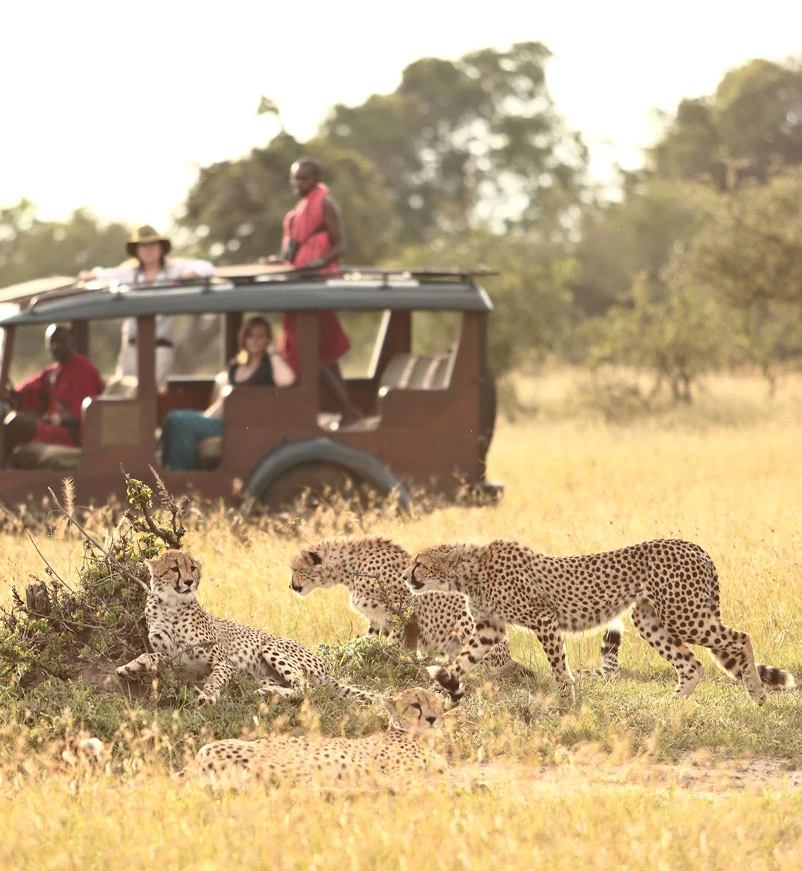
Spot cheetah on a game drive in the Masai Mara, Kenya. (©Cottar’s 1920s Safari Camp)
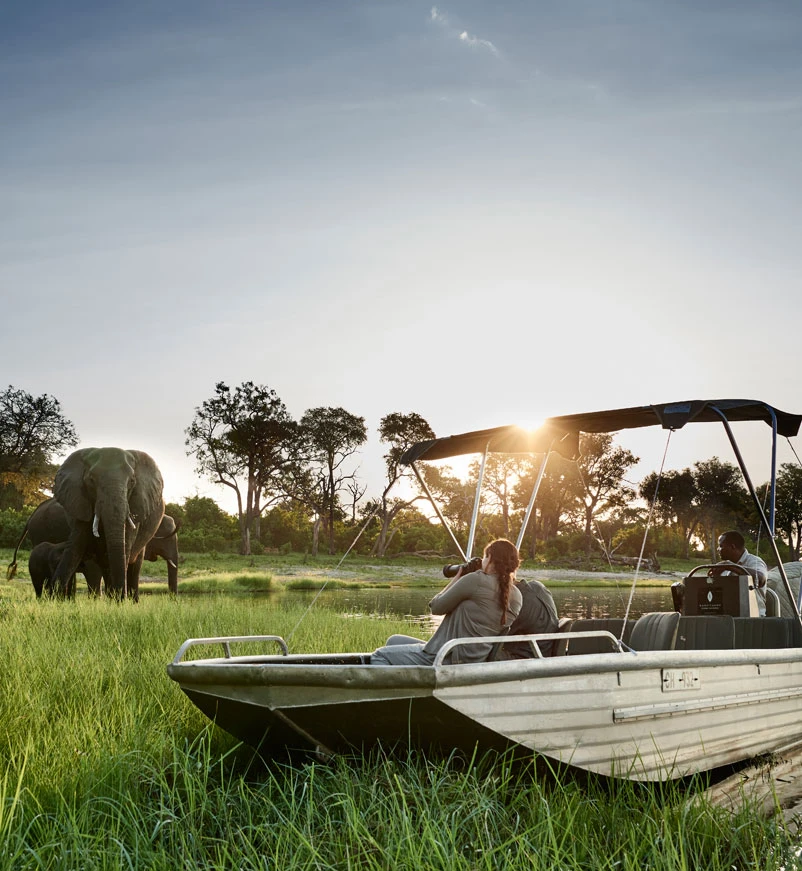
Explore Botswana’s Chobe region on a photographic safari cruise. (©Sanctuary Chobe Chilwero Camp)
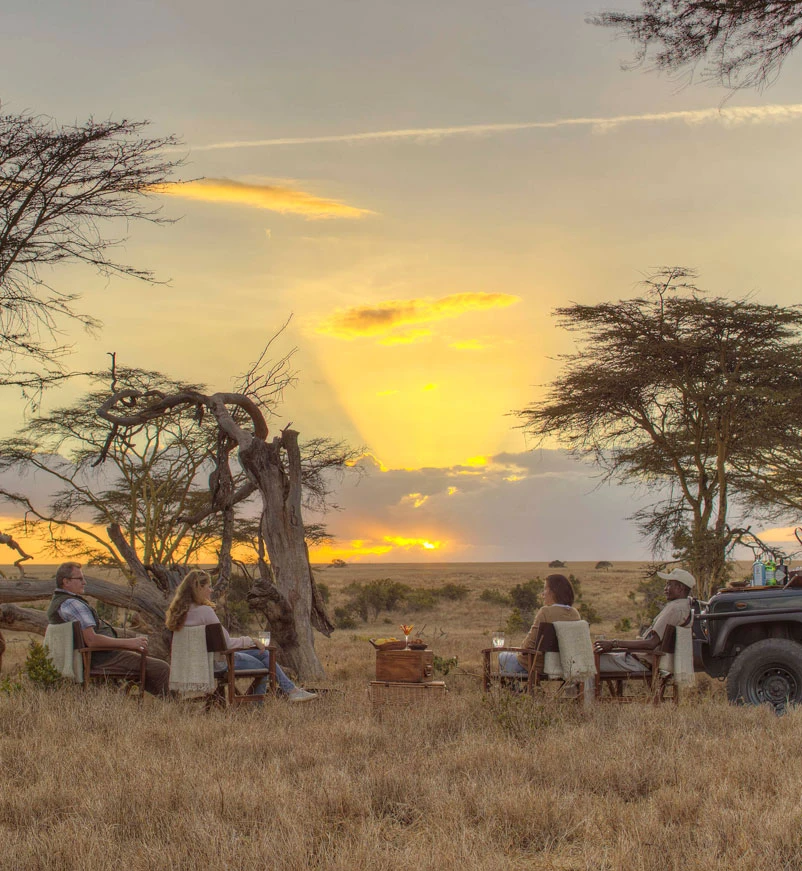
Enjoy unforgettable game drives, pausing for cocktails as the sun sets over the Borana Conservancy in Laikipia, Kenya. (©Lengishu)
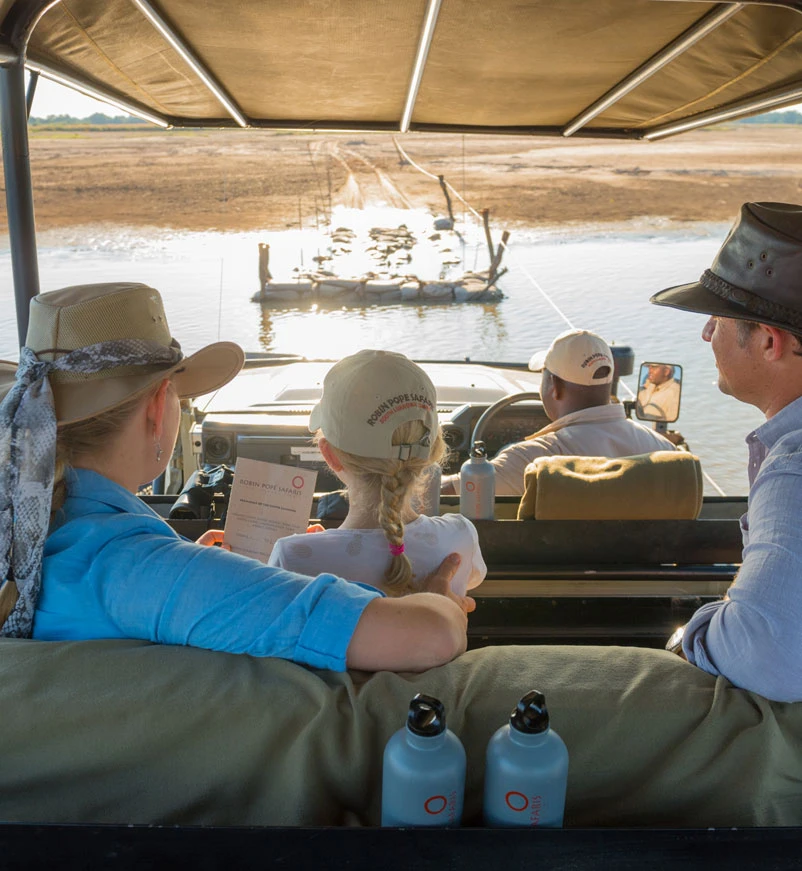
Enjoy family game drives in South Luangwa National Park, Zambia. (©Robin Pope Safaris)
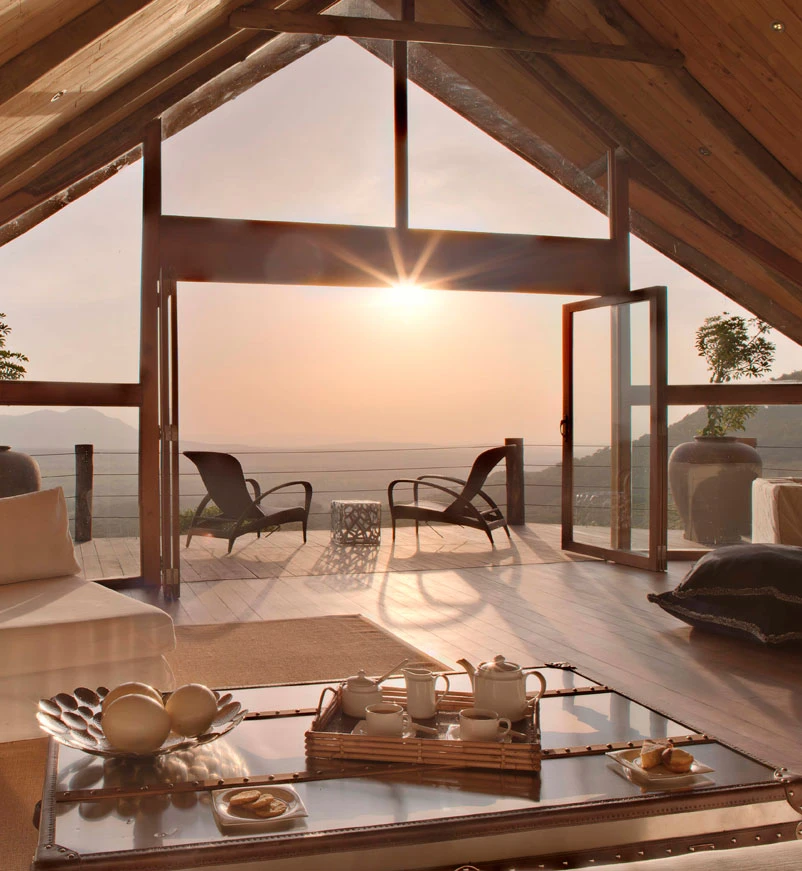
Indulge in a spot of luxury at a beautiful private bush villa in the Masai Mara, Kenya. (©Cottar’s Private Bush Villa)
Frequently asked questions about choosing your first African safari
Where should I go for my first safari in Africa?
Kenya, Tanzania and South Africa are often the best places to start. They offer excellent wildlife, strong guiding and relatively easy logistics, making them ideal for first-time safari travellers.
Which African safari destination is best for families?
Kenya is a superb choice for families, especially the Masai Mara conservancies, where private guides and flexible activities work well with children. Non-malarial South Africa’s Eastern Cape is another excellent option, particularly for a family-friendly safari and beach combinations.
What is the easiest safari destination for first-timers?
South Africa is often the easiest destination for a first safari thanks to its good infrastructure, varied accommodation and the option to combine safari with other experiences. Kenya is also a very accessible choice for a classic safari.
Which safari destination is best for seeing the Big Five?
Sabi Sands in South Africa is one of the best places for first-time travellers hoping to see the Big Five. The Masai Mara and Akagera are also strong options for varied wildlife viewing.
Where is the best place to see the Great Migration on a first safari?
The Serengeti is one of the best places to experience the Great Migration, especially if you hope to see river crossings. The Masai Mara is another excellent choice during migration season.
When is the best time of year to go on your first African safari?
The best time to take an African safari depends on the destination and what you want to see. In general, the dry season (July to October) is best for wildlife viewing, but some areas are rewarding year-round.
How many days do you need for your first safari?
Seven to ten days is ideal for a first safari. This gives you time to settle into the rhythm of safari and, if you wish, combine two different areas spending 3-4 nights in each location.
Is Kenya, Tanzania, Botswana or South Africa best for a first safari?
It depends on the experience you want. Kenya is great for families, Tanzania for the Great Migration, Botswana for river-based safari, and South Africa for easy logistics and luxury.
What should first-time safari travellers consider before booking?
Think about the time of year, your budget, the style of accommodation you prefer and the type of safari experience you want, whether that is classic game drives, walking safaris or combining safari with other activities.
Is it better to stay in one safari area or combine two?
If you have limited time, one excellent area is often best. If you have longer, combining two destinations can give you a broader and more varied experience.
Start planning your first African safari
Our luxury safari specialists are on hand to provide tailored advice for your first African safari. Call us on UK:+44 (0)1367 850566 or US (toll free) 1-855-216-5040 or make an enquiry.

Related articles